
LogisticsCargoInformationalPackage
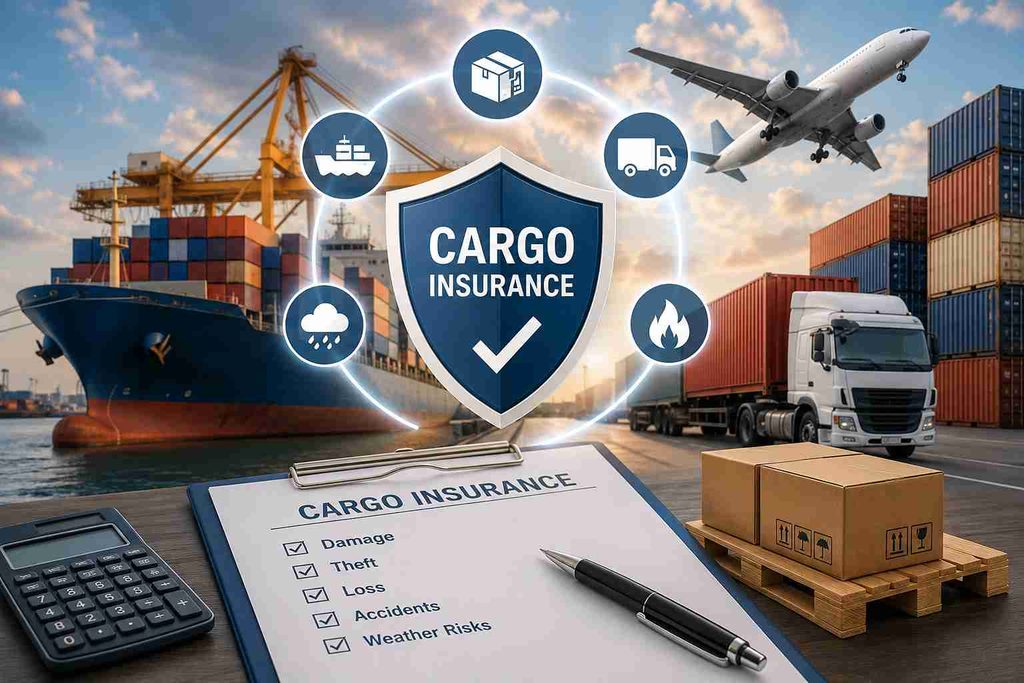
International shipping involves more than moving goods from one country to another. During transit, cargo can face risks such as damage, theft, loss, accidents, weather-related incidents, and handling issues. For importers, even a single damaged shipment can result in significant financial losses.
This is where cargo insurance becomes important.
Cargo insurance provides financial protection against covered risks that may affect goods while they are being transported. While insurance may not be mandatory for every shipment, it can help importers reduce the financial impact of unexpected events during international transportation.
In this guide, we’ll explain what cargo insurance is, why it matters, what it covers, how much it can cost, and what importers should consider before purchasing coverage.
What Is Cargo Insurance?
Cargo insurance is a type of insurance designed to protect goods against certain risks while they are being transported from one location to another.
Depending on the policy, coverage may apply during different stages of transportation, including ocean freight, air freight, trucking, rail transportation, and other parts of the supply chain.
For example, imagine an importer shipping $100,000 worth of products from Asia to the United States. If part of the shipment is damaged during transportation and the loss is covered by the insurance policy, the importer may be able to recover some or all of the insured value, subject to the policy’s terms, exclusions, and deductible.
Cargo insurance can therefore provide an additional layer of financial protection for businesses involved in international trade.
Why Is Cargo Insurance Necessary for Importers?
Importers face numerous risks throughout the transportation process. Cargo may pass through ports, warehouses, trucks, terminals, and other facilities before reaching its final destination.
Even when a shipment is handled by experienced logistics providers, unexpected events can still occur.
Here are some of the main reasons importers consider cargo insurance.
1. Protects Against Unexpected Financial Loss
International shipments can represent a significant investment. If cargo is damaged or lost, the importer may be responsible for replacing the goods, depending on the circumstances and contractual terms.
Insurance can help reduce the financial impact of covered losses.
2. Protects High-Value Shipments
The greater the value of your cargo, the greater the potential financial exposure.
Electronics, machinery, medical equipment, automotive parts, furniture, and other high-value products can represent substantial investments.
For these shipments, appropriate insurance coverage may provide additional financial security.
3. Covers Certain Risks During Transportation
Cargo can encounter risks at multiple points in the supply chain.
Depending on the policy, coverage may include certain losses resulting from events such as:
- Accidental damage
- Theft
- Fire
- Certain weather-related events
- Transportation accidents
- Loss of cargo
- Handling-related incidents
However, coverage varies by policy, so importers should carefully review the specific terms and exclusions.
4. Provides Greater Financial Certainty
International trade already involves costs such as freight, customs clearance, duties, taxes, storage, handling, and transportation.
An unexpected cargo loss can add another major expense.
Having appropriate insurance can help businesses manage these risks and make financial planning more predictable.
5. Helps Importers Manage Supply Chain Risk
Cargo insurance is one part of a broader supply chain risk-management strategy.
Importers can combine insurance with proper packaging, freight forwarding, accurate documentation, shipment tracking, and appropriate transportation planning to reduce exposure to potential losses.
What Does Cargo Insurance Cover?
The exact coverage depends on the insurance policy, transportation method, cargo type, and applicable terms.
Depending on the policy, cargo insurance coverage may protect against risks such as:
- Physical damage to goods
- Theft
- Loss during transportation
- Fire
- Certain accidents
- Certain weather-related damage
- Damage during handling or transportation
For example, if cargo is damaged in an accident while being transported and the incident falls within the policy’s covered risks, the importer may be able to submit a claim.
However, businesses should never assume that every type of damage is automatically covered.
Before purchasing a policy, review the coverage limits, exclusions, deductibles, claim requirements, and applicable conditions.
What Does Cargo Insurance Not Cover?
Cargo insurance policies generally contain exclusions.
Depending on the policy, exclusions may involve situations such as:
- Improper packaging
- Normal wear and tear
- Certain inherent characteristics of the goods
- Intentional damage
- Certain delays
- Undeclared or improperly documented cargo
- Specific excluded risks listed in the policy
This is why reading the policy before shipping is important.
An importer should understand exactly what is covered and what is not covered rather than assuming that insurance provides unlimited protection.
Cargo Insurance vs. Carrier Liability
One of the most important concepts for importers to understand is the difference between cargo insurance and carrier liability.
A carrier or transportation provider may have liability for cargo under applicable laws, contracts, tariffs, or shipping terms. However, that liability may be limited and may not equal the full commercial value of the goods.
For example, if a shipment containing expensive equipment is damaged, the amount recoverable from a carrier may depend on the applicable liability rules and contractual terms.
Cargo insurance, on the other hand, is specifically intended to provide coverage according to the terms of the insurance policy.
Therefore, importers should not automatically assume that carrier liability provides the same protection as comprehensive cargo insurance.
How Much Does Cargo Insurance Cost?
The cost of cargo insurance depends on several factors.
Insurance providers may consider:
- Value of the shipment
- Type of cargo
- Origin and destination
- Transportation method
- Route
- Packaging
- Historical claims experience
- Coverage level
- Deductible
- Specific risks associated with the shipment
For this reason, there is no single price that applies to every shipment.
A business importing low-value, low-risk products may have very different insurance costs from a company shipping high-value machinery or specialized equipment.
The best approach is to evaluate the potential financial loss against the cost of obtaining appropriate coverage.
When Should You Buy Cargo Insurance?
Importers should consider insurance before the shipment begins, rather than waiting until cargo is already in transit.
Planning ahead gives businesses time to:
- Determine the value of the shipment.
- Identify potential transportation risks.
- Review available coverage.
- Understand exclusions and deductibles.
- Confirm documentation requirements.
- Purchase appropriate coverage before transportation begins.
For recurring shipments, businesses can also explore insurance arrangements designed for multiple shipments rather than treating every shipment as a completely separate decision.
How to Choose the Right Cargo Insurance
Choosing the right policy requires more than looking for the cheapest option.
Importers should consider the following factors.
Understand the Coverage
Check exactly which risks are covered and whether the coverage applies to the entire transportation journey.
Review Exclusions
Pay close attention to situations the policy does not cover.
Check Coverage Limits
Make sure the policy limit is appropriate for the value of your cargo.
Consider the Deductible
A deductible is the amount the insured may have to pay before the insurer covers an eligible loss. Understand how the deductible applies before purchasing the policy.
Understand the Claims Process
Find out what documentation is required if cargo is damaged or lost.
Depending on the situation, documentation may include invoices, packing lists, bills of lading, photographs, inspection reports, and other relevant records.
Consider Your Cargo Type
Different products can have different risks. Fragile goods, temperature-sensitive products, high-value equipment, and other specialized cargo may require particular considerations.
Common Cargo Insurance Mistakes Importers Make
Even when businesses purchase insurance, mistakes can reduce the effectiveness of their coverage.
Assuming Carrier Liability Is Enough
Carrier liability may not provide protection equal to the full value of the shipment.
Choosing Coverage Based Only on Price
The cheapest policy may not provide the coverage your cargo actually requires.
Not Reading Exclusions
An importer may assume a particular loss is covered without checking the policy.
Underinsuring the Shipment
If the insured value does not adequately reflect the shipment’s value and applicable costs, the business may not receive the expected level of protection.
Waiting Until After Shipping Begins
Insurance arrangements should be made before the relevant transportation risk occurs.
Poor Documentation
Incomplete invoices, packing lists, shipping documents, photographs, or other records can complicate the claims process.
Frequently Asked Questions About Cargo Insurance
Is cargo insurance mandatory?
Cargo insurance is not automatically mandatory for every international shipment. Requirements can depend on the transaction, contract, financing arrangements, transportation terms, and applicable regulations.
However, many importers choose insurance to protect themselves against potential financial losses.
Is cargo insurance worth it?
For many importers, cargo insurance can be worthwhile when the potential financial loss from damaged or lost goods is significantly greater than the cost of coverage.
The decision depends on cargo value, risk, route, transportation method, and the business’s ability to absorb a potential loss.
Who is responsible for cargo insurance?
Responsibility can depend on the sales contract and the agreed Incoterms® rule. Some transactions require the seller to arrange insurance, while in others the buyer assumes the responsibility.
Importers should understand their specific contractual obligations before assuming who is responsible.
Does freight forwarding include cargo insurance?
Not necessarily. Freight forwarding and cargo insurance are different services.
A freight forwarder may help arrange transportation and logistics services, while insurance provides financial protection against covered cargo losses.
Importers should confirm whether insurance is included, optional, or arranged separately.
What happens if cargo is damaged during shipping?
If cargo is damaged, the importer should document the damage, notify the appropriate parties promptly, preserve relevant shipping and commercial documents, and follow the insurance policy’s claims procedure if the shipment is insured.
The exact process depends on the circumstances and policy terms.
Final Thoughts
International shipping always involves some level of risk. From transportation accidents and theft to handling damage and unexpected events, problems can occur even when a shipment is carefully planned.
Cargo insurance can help importers manage the financial consequences of covered losses and provide additional protection for valuable shipments.
However, insurance should not be viewed as a replacement for good logistics planning. Proper packaging, documentation, transportation planning, shipment monitoring, and working with experienced logistics professionals are also important parts of protecting your cargo.
For importers moving goods internationally, understanding your transportation risks and choosing the right protection can help create a more resilient supply chain.
Need help managing your international shipments? TEU Global can help with freight forwarding, customs clearance, transloading, and other logistics solutions for U.S. importers and exporters. Contact TEU Global to discuss your shipping needs.