LogisticsInformational
Few things frustrate a business more than a shipment that has gone quiet. The container left the port days ago, the customer is asking for an update, and nobody can say where the cargo is or when it will arrive.
This is the problem supply chain visibility solves. In an environment shaped by port congestion, capacity shortages, and unpredictable transit times, knowing where your goods are at every stage has become a competitive necessity.
This guide explains what supply chain visibility is, how it works, why it matters, and how real-time tracking helps businesses reduce delays, control costs, and improve logistics performance.
What Is Supply Chain Visibility?
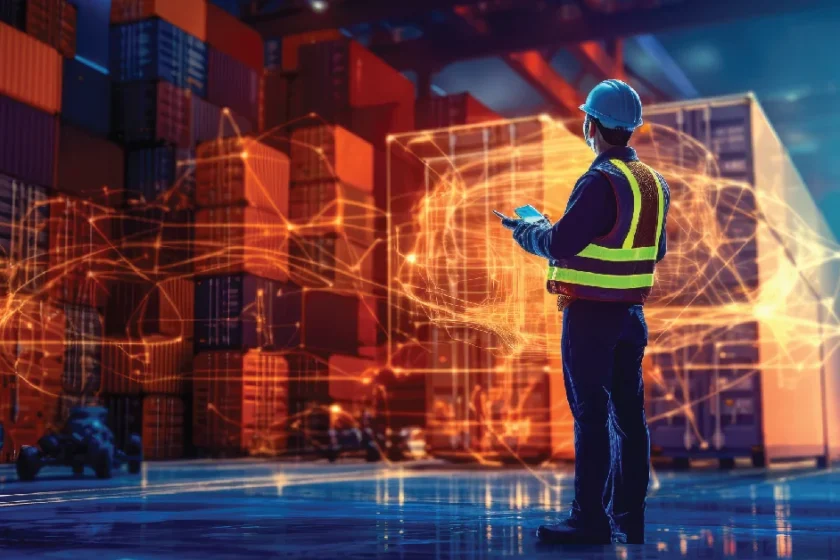
Supply chain visibility is the ability to track and monitor goods, inventory, and information as they move from supplier to final customer. It gives businesses a clear, up-to-date view of what is moving, where it is, what condition it is in, and when it will arrive.
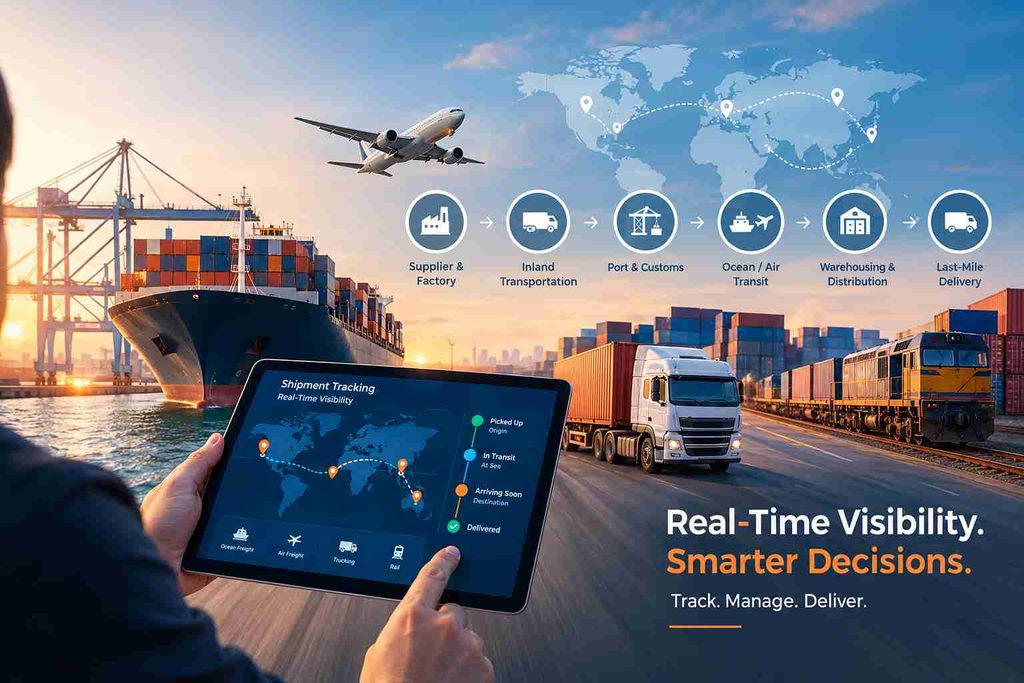
True end-to-end supply chain visibility covers every stage of the journey:
- Supplier and factory production
- Origin pickup and inland transportation
- Port handling and customs clearance
- Ocean or air transit
- Warehousing and distribution
- Last-mile delivery
The goal is not just to see data, but to turn that data into decisions. Visibility lets teams spot problems early, respond quickly, and keep customers informed.
Supply Chain Visibility vs. Supply Chain Transparency
The two terms are often used interchangeably, but they differ slightly.
- Supply chain visibility is operational. It focuses on tracking shipments, inventory, and status updates in real time.
- Supply chain transparency is broader. It covers openness about sourcing, suppliers, compliance, and sustainability practices, often for customers, regulators, and stakeholders.
Strong visibility is usually the foundation for transparency. You cannot be transparent about what you cannot see.
Why Supply Chain Visibility Matters for Modern Logistics
Global logistics has become more complex. Goods often cross multiple countries, carriers, ports, and handoffs before they reach their destination. Each handoff is a place where information can be lost and delays can start.
Here is why visibility has become essential.
1. It Reduces Shipment Delays
Delays rarely come out of nowhere. A late vessel departure, a customs hold, a missed rail connection, or a congested terminal usually shows up in the data before it affects delivery. With real-time shipment tracking, your team can see these signals early and act, whether that means rerouting cargo, switching modes, or alerting customers before they ask.
2. It Improves ETA Accuracy
Reliable ETA tracking lets you plan warehouse labor, production schedules, and customer deliveries with confidence. Static estimates from booking documents go stale quickly. Dynamic ETAs, updated using vessel positions, flight status, and port conditions, give planners a far more accurate picture.
3. It Controls Costs
Poor visibility is expensive. Demurrage and detention charges, expedited freight, emergency air shipments, and idle warehouse labor often come from surprises that better information would have prevented. When you can see a container approaching a free-time deadline, you can act before the charges stack up.
4. It Strengthens Supply Chain Risk Management
Supply chain risk comes in many forms: weather events, port strikes, geopolitical disruption, carrier schedule changes, and supplier failures. Visibility doesn’t remove risk, but it shortens your reaction time. The earlier you detect a disruption, the more options you have.
5. It Improves Customer Experience
Customers increasingly expect Amazon-style tracking for B2B freight. Proactive updates, accurate delivery windows, and quick answers build trust and set you apart from competitors who can only say “we’re checking.”
6. It Enables Better Inventory Decisions
Inventory visibility connects inbound shipments with stock levels. When you know what is in transit and when it will land, you can avoid both stockouts and costly overstocking, and you can plan replenishment more intelligently.
Key Components of Supply Chain Visibility
A complete visibility strategy usually combines several layers.
Real-Time Shipment Tracking
This is the foundation. Real-time shipment tracking collects location and status data from carriers, vessels, aircraft, trucks, terminals, and telematics sources, so you can monitor cargo throughout the journey rather than only at a few milestones.
Ocean Freight Visibility
Ocean shipping involves long transit times and many variables. Ocean freight visibility typically covers:
- Container milestone tracking (gate-in, loading, transshipment, discharge, gate-out)
- Vessel schedule changes and rollovers
- Port congestion and dwell times
- Customs and release status
- Free-time and demurrage deadlines
Because ocean transit can stretch across weeks, small disruptions can compound quickly. Early alerts make a real difference. Learn more about how we manage this through our ocean freight services.
Air Freight Visibility
Air cargo moves fast, so the margin for error is small. Air freight visibility covers flight status, airline handoffs, airport handling, and customs clearance, with the speed and precision that time-critical cargo demands. Explore our air freight solutions and TEU Skies for time-sensitive shipments.
Transportation Visibility
Transportation visibility extends across modes, including trucking, rail, and intermodal moves. It matters especially for first-mile and last-mile legs, where tracking gaps are common and where delays can quietly erode service levels.
Inventory and Warehouse Visibility
Visibility doesn’t end at the dock. Knowing what has arrived, what is being stored, and what is ready for dispatch completes the picture. Our warehousing and distribution services connect inbound freight data with inventory management, so you see the full flow from port to customer.
Exception Management
Exception management is where visibility becomes action. Instead of watching every shipment, teams focus on the ones that deviate from plan, such as a delayed vessel, a customs hold, a missed pickup, or an ETA that slips past a threshold. Automated alerts and clear escalation paths make sure the right person knows about the right problem at the right time.
Common Supply Chain Visibility Challenges
Even companies that want better visibility run into obstacles.
- Fragmented data. Information is spread across carriers, forwarders, terminals, and internal systems, each using different formats.
- Limited milestone updates. Some carriers or regions provide sparse tracking, leaving gaps between events.
- Siloed teams. Procurement, logistics, warehousing, and customer service often work from different information.
- Manual processes. Chasing updates by email and spreadsheet is slow and error-prone.
- Lack of context. Raw tracking data without analysis or alerts creates noise instead of insight.
Solving these challenges takes the right combination of technology, process, and a logistics partner who can interpret what the data means.
Technology Behind Supply Chain Visibility
Modern supply chain visibility solutions draw on several technologies:
- API and EDI integrations with carriers, airlines, and terminals
- GPS, IoT sensors, and telematics for location and condition monitoring
- Control tower dashboards that consolidate shipment data in one place
- Predictive analytics that improve ETAs and flag likely delays
- Automated alerts and workflows for exception handling
Many companies evaluate supply chain visibility software as a standalone purchase. Software is powerful, but it only delivers value when paired with accurate data sources and people who can act on the information. That is why many businesses get better results from a logistics partner that combines technology with hands-on freight expertise.
How to Improve Supply Chain Visibility: A Practical Approach
If you are starting from limited visibility, a staged approach works best.
- Map your supply chain. Identify every handoff, from supplier to final delivery, and note where information gaps exist.
- Define what you need to see. Decide which milestones, ETAs, and alerts matter most for your business.
- Centralize your shipment data. Bring tracking information into a single view instead of managing multiple portals.
- Set exception rules. Define thresholds for delays, dwell times, and deadlines so alerts focus attention where it counts.
- Connect visibility to inventory and warehousing. Link inbound shipment data with stock planning.
- Review and improve regularly. Use performance data to identify recurring bottlenecks, carriers, or lanes that underperform.
- Work with a logistics partner. An experienced freight forwarding provider can supply both the tracking technology and the operational support to act on it.
Benefits of End-to-End Supply Chain Visibility
When visibility is built into every stage, businesses typically see:
- Fewer unexpected delays and faster response when they occur
- More reliable delivery commitments
- Lower demurrage, detention, and expediting costs
- Better inventory planning and reduced safety-stock pressure
- Reduced time spent chasing status updates
- Stronger relationships with customers and suppliers
- Data that supports continuous improvement and supply chain optimization
How TEU Supports Supply Chain Visibility
At TEU, visibility is built into how we move freight, not added as an afterthought. Whether you ship by sea or by air, our team combines real-time tracking with proactive communication so you always know where your cargo stands.
- Ocean freight: milestone tracking, schedule monitoring, and early alerts on disruptions
- Air freight and TEU Skies: fast, reliable visibility for time-critical shipments
- Freight forwarding: coordinated end-to-end management across carriers, borders, and modes
- Warehousing and distribution: inventory visibility from arrival through final dispatch
- Supply chain optimization: analysis that turns tracking data into lasting improvements
FAQs
What is supply chain visibility in simple terms?
It is the ability to see where your goods, inventory, and shipments are at any point in the supply chain, from supplier to customer, and to know when they will arrive.
What is the difference between shipment visibility and supply chain visibility?
Shipment visibility focuses on tracking individual shipments in transit. Supply chain visibility is broader and includes suppliers, inventory, warehousing, and delivery, giving a complete end-to-end picture.
Why is real-time supply chain visibility important?
Real-time data lets you detect delays and disruptions as they happen, so you can respond before they affect customers or increase costs.
How does freight visibility reduce costs?
By flagging problems early, freight visibility helps you avoid demurrage, detention, expedited shipping, and last-minute rerouting, which are common sources of unplanned expense.
Do I need supply chain visibility software?
Software can help centralize tracking and automate alerts, but its value depends on data quality and how well your team acts on it. Many businesses combine technology with a freight forwarder that provides tracking and operational support together.
How can small and mid-sized businesses improve visibility?
Start by centralizing shipment tracking, defining key milestones, and working with a logistics provider that offers proactive updates. You don’t need a large internal technology investment to get meaningful results.
Conclusion
Supply chain visibility is no longer optional for businesses that depend on dependable logistics. Real-time tracking, accurate ETAs, and strong exception management help companies reduce delays, control costs, manage risk, and keep customers confident.
The most effective approach combines good technology with experienced logistics support, so that data leads to action.
Ready to gain full visibility over your shipments? Contact TEU to learn how our ocean freight, air freight, and warehousing services can give you clearer, more controllable logistics from origin to destination.