TEU Global
  • Home
  • About Us
  • Services
    • Ocean Freight Shipping
    • US Handling Agent
    • Canada Handling Agent
    • Freight Forwarding
    • Customs Clearance
    • Cargo Insurance
    • Drayage & Domestic Truck Delivery
    • Warehousing and Distribution
    • Purchase Order Management
    • Logistics Consultants
    • Customs Compliance Coaching
  • Resources
    • Payments
    • FAQs
    • Downloads
    • Knowledge Hub
    • Newsletter
  • Contact Us
  • Blog

Type To Search

Get a Quote
TEU Global
  • Home
  • About Us
  • Services
    • Ocean Freight Shipping
    • US Handling Agent
    • Canada Handling Agent
    • Freight Forwarding
    • Customs Clearance
    • Cargo Insurance
    • Drayage & Domestic Truck Delivery
    • Warehousing and Distribution
    • Purchase Order Management
    • Logistics Consultants
    • Customs Compliance Coaching
  • Resources
    • Payments
    • FAQs
    • Downloads
    • Knowledge Hub
    • Newsletter
  • Contact Us
  • Blog

Type To Search

Get a Quote
  • Home
  • About Us
  • Services
    • Ocean Freight Shipping
    • US Handling Agent
    • Canada Handling Agent
    • Freight Forwarding
    • Customs Clearance
    • Cargo Insurance
    • Drayage & Domestic Truck Delivery
    • Warehousing and Distribution
    • Purchase Order Management
    • Logistics Consultants
    • Customs Compliance Coaching
  • Resources
    • Payments
    • FAQs
    • Downloads
    • Knowledge Hub
    • Newsletter
  • Contact Us
  • Blog
teu global logo dark
  • Home
  • About Us
  • Services
    • Ocean Freight Shipping
    • US Handling Agent
    • Canada Handling Agent
    • Freight Forwarding
    • Customs Clearance
    • Cargo Insurance
    • Drayage & Domestic Truck Delivery
    • Warehousing and Distribution
    • Purchase Order Management
    • Logistics Consultants
    • Customs Compliance Coaching
  • Resources
    • Payments
    • FAQs
    • Downloads
    • Knowledge Hub
    • Newsletter
  • Contact Us
  • Blog
Informational
HomeArchive by Category "Informational"

Category: Informational

What Does Incoterms Mean? International shipping infographic
LogisticsInformational
July 22, 2026 By TEU Global Editorial Team

What Does Incoterms Mean? Understanding the Rules Behind International Shipping 

Imagine you’re buying products from another country for the first time. You’ve found the right supplier, agreed on the price, and are ready to place your order. Then you come across shipping terms such as FOB, CIF, EXW, and DDP. Suddenly, you’re faced with questions like: Who pays for shipping? Who arranges transportation? What happens if the cargo is damaged during transit?

These are some of the most common questions businesses encounter when trading internationally, and the answers often come down to one important concept—international shipping terms.

Whether you’re a small business importing products, a manufacturer exporting goods overseas, or simply curious about how international shipping works, understanding Incoterms is essential.

Knowing the right Incoterm can help businesses avoid unexpected costs, reduce misunderstandings, and ensure everyone involved knows exactly who is responsible for transportation, customs clearance, insurance, and delivery. 

What Does Incoterms Mean? 

Incoterms stands for International Commercial Terms. These are a standardized set of trade rules published by the International Chamber of Commerce (ICC) that define the responsibilities of buyers and sellers in international shipping.

If you’re wondering, “What does Incoterms mean?” they are internationally recognized guidelines that clarify who pays for transportation, insurance, customs clearance, and when the risk transfers from the seller to the buyer.

What Are Incoterms?

Incoterms, short for International Commercial Terms, are a set of globally recognized trade rules that define the responsibilities of buyers and sellers during the shipment of goods.

In simple terms, Incoterms explain who pays for shipping, who arranges transportation, who handles customs clearance, and when the risk of the goods transfers from the seller to the buyer.

Think of them as a rulebook for international trade. Instead of negotiating every shipping detail separately, buyers and sellers can agree on an Incoterm, ensuring everyone understands their responsibilities before the shipment begins.

Whether you’re shipping a single pallet or multiple containers across the world, knowing what are Incoterms in shipping helps prevent confusion, unexpected costs, and delays.

Why Are Incoterms Important?

International shipping involves multiple parties, including manufacturers, freight forwarders, customs authorities, carriers, and buyers. Without clear responsibilities, shipments can quickly become complicated.

Incoterms help businesses by:

  • Clearly defining buyer and seller responsibilities.
  • Reducing misunderstandings and costly disputes.
  • Identifying who pays transportation costs.
  • Explaining when the risk transfers from seller to buyer.
  • Simplifying international trade agreements.
  • Making global shipping more transparent.

For businesses involved in international trade, understanding these international trade rules is essential for smoother logistics and better decision-making.

Who Uses Incoterms?

Incoterms are widely used across global supply chains. They are important for:

  • Importers
  • Exporters
  • Manufacturers
  • Freight forwarders
  • Customs brokers
  • Logistics companies
  • Wholesalers
  • Retailers
  • E-commerce businesses

Whether you’re a small business importing products or a multinational company exporting goods worldwide, Incoterms help everyone work from the same set of rules.

The 11 Incoterms 2020 Explained

The latest version, Incoterms 2020, includes 11 internationally accepted rules.

EXW (Ex Works)

The seller’s responsibility ends once the goods are available at their premises. The buyer is responsible for transportation, export documentation, customs clearance, and final delivery. 

Best for: Buyers with strong logistics experience.

FCA (Free Carrier)

The seller delivers the goods to a carrier chosen by the buyer and completes export customs clearance. 

CPT (Carriage Paid To)

The seller pays transportation costs to the agreed destination, but the  risk transfers to the buyer once the goods are handed to the first carrier.

CIP (Carriage and Insurance Paid To)

Similar to CPT, but the seller also provides cargo insurance until the agreed destination.

DAP (Delivered at Place)

The seller delivers the shipment to the agreed destination. The buyer is responsible for unloading the goods and completing import customs procedures.

DPU (Delivered at Place Unloaded)

The seller is responsible until the goods are delivered and unloaded at the destination.

DDP (Delivered Duty Paid)

DDP places the highest responsibility on the seller. The seller handles transportation, customs clearance, duties, taxes, and delivery, allowing the buyer to simply receive the goods.

FAS (Free Alongside Ship)

The seller delivers the goods alongside the vessel at the port of shipment. The buyer assumes responsibility from that point.

This Incoterm is mainly used for bulk cargo.

FOB (Free On Board)

FOB is one of the most commonly used international shipping terms.

The seller is responsible until the goods are loaded onto the ship. Once loaded, the buyer assumes both the cost and risk of transportation.

CFR (Cost and Freight)

The seller pays the ocean freight to the destination port, but the buyer assumes the shipping risk once the goods are loaded onto the vessel.

CIF (Cost, Insurance and Freight)

CIF is similar to CFR, but the seller also provides cargo insurance during ocean transportation.

Incoterms comparison chart for international shipping

Common Mistakes Businesses Make

Even experienced importers and exporters can misunderstand Incoterms. Some common mistakes include:

  • Choosing an Incoterm without understanding its responsibilities.
  • Assuming insurance is included in every shipment.
  • Confusing the transfer of risk with ownership of the goods.
  • Ignoring import duties and taxes.
  • Using outdated shipping terms instead of Incoterms 2020.

Understanding these rules before shipping helps businesses avoid unnecessary costs and delays.

How to Choose the Right Incoterm

The right Incoterm depends on several factors, including:

  • Your shipping experience.
  • The type of goods being transported.
  • The destination country.
  • Customs requirements.
  • Who wants greater control over transportation.
  • Which party is responsible for insurance and freight costs.

Discussing these details before signing a sales agreement helps both buyers and sellers avoid confusion later. 

Need Expert Help with International Shipping?

Understanding Incoterms is only one part of successful international trade. Choosing the right shipping terms, managing customs requirements, and coordinating freight can quickly become complex—especially if you’re new to importing or exporting.

At TEU Global, we help businesses simplify global logistics with expert freight forwarding, customs clearance, cargo insurance, and end-to-end shipping solutions. Whether you’re shipping a single container or managing a global supply chain, our team can help you choose the right Incoterm and keep your cargo moving efficiently.

Get in touch with TEU Global to discuss your shipping needs and find the right logistics solution for your business.

Faq’s

What are Incoterms in shipping?

Incoterms are internationally recognized trade rules that define the responsibilities of buyers and sellers during international shipments.

What does Incoterms mean?

Incoterms stands for International Commercial Terms, a standardized set of rules created by the International Chamber of Commerce (ICC).

How many Incoterms are there?

There are 11 official Incoterms 2020 used worldwide.

Are Incoterms legally binding?

Incoterms are not laws, but when included in a sales contract, they become contractually binding for the parties involved.

Which Incoterm is best?

There is no single best Incoterm. The right choice depends on the shipment, destination, and the responsibilities agreed upon by the buyer and seller.

READ MORE
FCL vs LCL Shipping
LogisticsInformational
July 15, 2026 By TEU Global Editorial Team

FCL vs LCL Shipping: Which Is Right for Your Cargo? (2026 Guide) 

If you’re importing or exporting goods by sea, one of the first decisions you’ll face is FCL vs LCL shipping — and getting it wrong can quietly cost you thousands in wasted space, storage fees, or delayed cargo. Whether you’re shipping a handful of pallets or scaling up to full truckloads of inventory, understanding the difference between Full Container Load (FCL) and Less than Container Load (LCL) is the first step to shipping smarter in 2026.

In this guide, we’ll break down what FCL and LCL actually mean, compare cost and transit time side by side, and help you figure out exactly when to use each — so your next shipment doesn’t cost you more than it should.

Understanding FCL vs LCL shipping before booking your cargo can help you reduce costs, improve transit times, and choose the most efficient shipping method.

What Is FCL in Shipping?

Full Container Load (FCL) means your cargo has an entire shipping container — usually a 20ft or 40ft unit — booked exclusively for your goods. Nobody else’s cargo shares that container. It moves under one bill of lading, gets sealed at origin, and stays sealed until it reaches you.

Best for:

  • Shipments over 15 CBM (cubic meters)
  • High-value or fragile goods that need minimal handling
  • Businesses that want predictable transit times
  • Regular shippers with consistent volume

What Is LCL in Shipping?

Less than Container Load (LCL) means your shipment doesn’t fill a full container, so it’s consolidated with cargo from other shippers at a Container Freight Station (CFS), then deconsolidated at destination. You only pay for the space your goods actually occupy.

Best for:

  • Smaller shipments under 15 CBM
  • Businesses testing a new supplier or market
  • Startups and SMBs not yet shipping at volume
  • Non-fragile, non-time-sensitive goods

FCL vs LCL Cost Comparison

When comparing FCL vs LCL shipping costs, it’s important to consider handling fees and destination charges—not just the base freight rate. This is where most importers get tripped up. LCL looks cheaper on paper — you’re only paying for the space you use — but the full cost picture includes more than the freight rate.

In the FCL vs LCL shipping comparison, FCL is usually the better choice for larger, high-volume shipments.

FactorFCLLCL
Pricing modelFlat rate per containerPriced per CBM
Best value at15+ CBMUnder 15 CBM
Handling feesLower (single shipper)Higher (CFS consolidation/deconsolidation)
Damage riskLowerSlightly higher (shared handling)
Hidden costsMinimalStorage, CFS, and destination handling can add up fast
FCL vs LCL Shipping Cost Comparison

FCL vs LCL: FCL offers lower handling and better value for larger shipments, while LCL is ideal for smaller cargo but may involve additional destination charges. 

FCL LCL Transit Time

Speed is often the deciding factor for businesses working against tight delivery windows.

  • FCL ships as soon as your container is sealed and loaded — no waiting on other shippers.
  • LCL requires your cargo to be consolidated with other shipments before the container departs, and deconsolidated again at destination. This adds days on both ends — sometimes a week or more, depending on the port and consolidation schedule.

If your supply chain runs on tight lead times, that extra week can be the real cost of choosing LCL.

When to Use FCL or LCL?

Ask yourself these three questions before booking:

  1. How much cargo am I shipping?
    Under 15 CBM leans LCL; above it, FCL usually wins on cost-per-unit.
  2. How time-sensitive is this shipment?
    If deadlines matter, FCL avoids consolidation delays.
  3. How fragile or high-value is my cargo?
    More handling touchpoints in LCL means more risk — FCL keeps your goods untouched from origin to destination.

There’s no universal right answer — the right call depends on your volume, your timeline, and your risk tolerance on any given shipment.

FCL vs LCL for Small Businesses and E-Commerce

If you’re a growing e-commerce brand or SMB importer, you’ll likely start with LCL while your order volumes are still small — and that’s the right move. But as your volume grows past the 15 CBM mark, or as consolidation delays start affecting your inventory planning, it’s usually time to shift toward FCL, even if you’re not filling the container completely. Many growing businesses run a hybrid strategy: FCL for their core recurring shipments, LCL for smaller top-up or trial orders.

Ship Smarter With TEU Global

Whether you need a full container or a consolidated LCL shipment, TEU Global’s ocean freight and drayage teams handle the entire journey — booking, documentation, customs, and final-mile delivery — so you don’t have to juggle it yourself.

Get an FCL or LCL Quote Today

Not sure which option fits your next shipment? Our team will run the numbers for you — real cost, real transit time, no guesswork. Request a Free Quote →

Explore Our Ocean Freight Services

FCL and LCL booking across major global trade lanes, backed by our CTPAT-certified network. View Ocean Freight Shipping

Need It Moved From the Port?

Pair your FCL or LCL shipment with reliable drayage and domestic delivery once it lands. View Drayage & Domestic Truck Delivery →

Follow TEU Global for Logistics Insights

Get the latest freight, shipping, customs, and supply chain updates.

Instagram

Facebook

YouTube

LinkedIn

Twitter/X

FAQ’s: FCL vs LCL Shipping

These common questions about FCL vs LCL shipping can help you make a more informed decision.

Is FCL cheaper than LCL?

Not always — it depends on volume. FCL is cheaper per unit above roughly 15 CBM; below that, LCL is usually more cost-effective, provided you factor in CFS and handling fees.

What is the minimum cargo volume for FCL?

There’s no strict minimum — you can book a full container even for a small shipment if speed or security matters more than cost efficiency.

Is LCL riskier than FCL?

LCL involves more handling touchpoints (consolidation and deconsolidation), which slightly increases the risk of damage or delay compared to a sealed FCL container.

Can I switch between FCL and LCL as my business grows?

Yes — many businesses start with LCL and transition to FCL as order volumes increase. A good freight forwarder will help you time that switch based on your actual shipping data.

READ MORE
freight forwarder and Global logistics at sunrise
LogisticsInformational
July 10, 2026 By TEU Global Editorial Team

How to Choose a Freight Forwarder: 10 Factors Every Business Should Consider

Selecting the right freight forwarding partner is one of the most important decisions for any importer or exporter. Whether you’re shipping products domestically or internationally, the right logistics partner can reduce costs, prevent delays, and ensure your cargo reaches its destination safely.

With hundreds of logistics companies available, choosing the best freight forwarder can feel overwhelming. This guide explains what to look for, the questions to ask, and the common mistakes to avoid before making your decision.

What Is a Freight Forwarder?

A freight forwarder is a logistics company that manages the transportation of goods on behalf of importers and exporters. Instead of moving cargo themselves, freight forwarders coordinate shipments through carriers such as shipping lines, airlines, rail operators, and trucking companies.

Professional freight forwarding services typically include:

  • Shipment planning
  • Carrier selection
  • Cargo booking
  • Customs documentation
  • Customs clearance
  • Warehousing
  • Cargo insurance
  • Shipment tracking
  • Final delivery coordination

The goal is to simplify the entire freight forwarding process while ensuring compliance with international shipping regulations.

Why Choosing the Right Freight Forwarder Matters

Your logistics partner directly impacts your supply chain performance.

Choosing the right freight forwarding company helps you:

  • Reduce shipping costs
  • Minimize customs delays
  • Improve delivery times
  • Avoid compliance issues
  • Gain better shipment visibility
  • Reduce operational risks
  • Scale international business confidently

On the other hand, an inexperienced provider may cause shipment delays, unexpected charges, documentation errors, and dissatisfied customers.

10 Factors to Consider When Choosing a Freight Forwarder

1. Industry Experience

Experience matters in logistics.

Look for a company that has handled shipments similar to yours. Businesses shipping electronics, automotive parts, food products, chemicals, or oversized cargo all have different requirements.

Experienced freight forwarding professionals understand:

  • Country-specific regulations
  • Documentation requirements
  • Import/export restrictions
  • Industry compliance
  • Risk management

The more experienced your logistics partner, the fewer surprises you’ll encounter. Working with a trusted provider of freight forwarding services helps businesses navigate complex international shipping requirements while minimizing delays and unexpected costs.

2. Global Network

A strong international network is essential for successful international freight forwarding.

Choose a provider with trusted global agents and carrier partnerships across major ports and airports.

A well-connected freight forwarder can:

  • Secure better shipping rates
  • Offer flexible routing options
  • Reduce transit times
  • Handle customs efficiently
  • Resolve issues quickly

Global coverage becomes especially important when shipping across multiple countries.

3. Freight Modes Offered

Every shipment is different.

The best freight forwarding companies provide multiple transportation options, including:

Ocean Freight

Ideal for large shipments with lower transportation costs.

Air Freight

Best for urgent, high-value, or time-sensitive cargo.

Truck Freight

Suitable for domestic transportation and regional distribution.

4. Customs Clearance Expertise

Customs clearance is one of the most complex parts of international logistics.

Documentation errors can result in:

  • Shipment delays
  • Customs holds
  • Storage fees
  • Financial penalties

Choose a freight forwarder with proven customs clearance expertise who can assist with:

  • Commercial invoices
  • Packing lists
  • Bills of lading
  • Certificates of origin
  • Import permits
  • Duty calculations

Efficient customs management keeps your supply chain moving.

5. Pricing Transparency

Low shipping rates can sometimes hide additional costs.

Before selecting a freight forwarding provider, request a detailed quotation that clearly outlines:

  • Freight charges
  • Fuel surcharges
  • Customs fees
  • Documentation fees
  • Handling charges
  • Warehousing costs
  • Insurance costs

Transparent pricing helps businesses avoid unexpected expenses.

Remember that the cheapest quote isn’t always the best value.

6. Technology & Shipment Tracking

Modern logistics depends on real-time visibility.

Choose freight forwarding services that offer:

  • Online shipment tracking
  • Automated status updates
  • Digital documentation
  • Customer portals
  • Electronic invoicing
  • Shipment notifications

Technology improves communication while allowing businesses to monitor cargo throughout the shipping journey.

7. Customer Support

Shipping challenges can happen at any time.

Reliable customer service is essential when dealing with:

  • Port congestion
  • Weather disruptions
  • Customs inspections
  • Delivery delays
  • Documentation questions

A responsive freight forwarder provides proactive communication and timely updates instead of leaving customers searching for information.

8. Insurance Options

Even carefully planned shipments carry some level of risk.

Cargo insurance protects businesses against losses caused by:

  • Damage
  • Theft
  • Natural disasters
  • Accidents
  • Cargo mishandling

Ask your freight forwarding provider about available insurance coverage and whether additional protection is recommended for your cargo.

9. Compliance & Certifications

Choose a freight forwarding company that follows international logistics standards.

Important certifications and memberships may include:

  • FMC Registration
  • WCA
  • IATA Certification
  • CTPAT Participation
  • Licensed Customs Broker
  • ISO Certifications

Compliance demonstrates professionalism and reduces regulatory risks.

10. Customer Reviews

Reputation often reveals what marketing cannot.

Before choosing a freight forwarder, review:

  • Google Reviews
  • Industry directories
  • Customer testimonials
  • Case studies
  • Long-term client relationships

Look for consistent positive feedback regarding:

  • Delivery reliability
  • Communication
  • Pricing honesty
  • Problem resolution
  • Professionalism

Satisfied customers are usually a strong indicator of dependable service.

10 factors to choose freight forwarder

Questions to Ask Before Hiring a Freight Forwarder

Before signing an agreement, ask potential freight forwarding partners these important questions:

  • Do you offer cargo insurance, and what does it cover?
  • What experience do you have shipping goods like ours?
  • Which trade lanes and freight modes do you specialize in?
  • How do you handle customs documentation and compliance issues?
  • Can you provide references from clients in our industry?
  • What does your pricing structure include, and are there additional fees?
  • How will we track our shipments, and how often will we receive updates?
  • What happens if a shipment is delayed, damaged, or lost?
  • These questions help determine whether the provider is the right fit for your logistics needs.

Mistakes to Avoid When Choosing a Freight Forwarder

Not every freight forwarding company provides the same level of service.

Watch for these warning signs:

  • Extremely low shipping prices
  • Hidden fees
  • Poor communication
  • No shipment tracking
  • Lack of customs expertise
  • No customer references
  • Limited international network
  • Unclear contracts
  • Delayed responses
  • Negative customer reviews

If a provider cannot clearly explain their freight forwarding process, it may be wise to consider other options.

Why TEU Global Is a Trusted Freight Forwarding Partner

At TEU Global, we understand that every shipment is critical to your business.

Our comprehensive freight forwarding services are designed to simplify domestic and international shipping while reducing costs and improving efficiency.

We offer:

  • Ocean Freight Solutions
  • Air Freight Services
  • Trucking & Inland Transportation
  • Customs Clearance Support
  • Warehousing & Distribution
  • Shipment Tracking
  • Cargo Insurance Assistance
  • Global Logistics Network
  • Experienced Logistics Professionals
  • Personalized Customer Support

Whether you’re importing raw materials, exporting finished products, or managing a complex international supply chain, TEU Global delivers dependable logistics solutions tailored to your business.

Our focus is on transparency, reliability, and long-term customer success.

FAQs

What does a freight forwarder actually do?

A freight forwarder arranges and coordinates the transportation of goods on behalf of a shipper, managing carrier bookings, documentation, customs clearance, and tracking without owning the transport vehicles themselves.

How much does freight forwarding cost?

Costs vary based on shipment size, mode of transport, distance, and additional services like insurance or customs brokerage. A transparent forwarder will provide an itemized quote reflecting all expected charges.

What’s the difference between a freight forwarder and a carrier?

A carrier physically transports goods (ships, planes, trucks), while a freight forwarder coordinates the logistics, books space with carriers, and manages documentation and compliance on the shipper’s behalf.

Do I need a freight forwarder for small shipments?

Yes — even small or infrequent shippers benefit from a freight forwarder’s carrier relationships, consolidated freight options, and customs expertise, often at a lower total cost than managing logistics independently.

How do I switch freight forwarders?

Review your current contract terms, gather your shipping history and documentation, and communicate a clear transition timeline to your new forwarder to avoid gaps in service during peak shipping periods.

READ MORE
Digital procurement and supply chain management concept. Digital procurement process integrated with analytics, logistics, contracts, supply chain management. Business solution, Digital transformation
LogisticsCargoInformational
July 7, 2026 By TEU Global Editorial Team

Purchase Order Management for Importers: The Complete Guide

If you import goods regularly, you already know the real cost of a missed purchase order isn’t the paperwork — it’s the container that leaves without your cargo, the customer order you can’t fulfill, or the warehouse slot that sits empty while a shipment is still stuck at the factory.

Purchase order (PO) management is the discipline that prevents that. Done well, it connects your buying decisions to your shipping schedule so nothing falls through the cracks between “order placed” and “goods received.” Done poorly, it’s the single biggest reason importers deal with stockouts, demurrage charges, and strained supplier relationships.

This guide covers what PO management actually involves, where it breaks down for most importers, and how to build a process that scales as your order volume grows.

What Is Purchase Order Management?

Purchase order management is the process of creating, tracking, and reconciling purchase orders from the moment they’re issued to a supplier through to final delivery and payment. For domestic buying, that’s usually a simple three-step loop: order, receive, pay.

For importers, it’s considerably more layered. A single PO might touch:

Infographic in Purchase Order Management
  • Supplier confirmation and production timelines
  • Partial shipments or split POs across multiple containers
  • Booking with a freight forwarder for ocean or air transport
  • Customs documentation tied to the specific PO and HTS codes
  • Warehouse receiving against the original order
  • Discrepancy resolution when quantities, SKUs, or costs don’t match

Every one of those steps is a place where a PO can get out of sync with what’s actually happening in your supply chain. Good PO management is really just visibility — knowing at any moment which POs are open, which are in production, which are in transit, and which are late.

Why Purchase Order Management Breaks Down

Most importers don’t lack a process. They lack a connected one. Here’s where it typically falls apart:

Spreadsheets that don’t talk to shipping data. A PO gets created in an ERP or a spreadsheet, but nobody updates it once the goods leave the factory. By the time the container arrives, the PO status is fiction.

Split shipments confuse the record. A single PO ships across two or three containers because of production timing or space constraints. If your system tracks POs as one line item, you lose visibility into which portion has shipped and which hasn’t.

No single owner. Purchasing, freight, and warehousing are often three different teams (or three different people wearing three hats). When a PO changes — a delay, a quantity cut, a substitution — the update doesn’t reliably reach everyone who needs it.

Manual reconciliation at receiving. Warehouse staff receive a shipment and have to manually match it against the original PO, often without full visibility into partial shipments or amendments made in transit.

Each of these is fixable, but only if you treat PO management as a supply chain function, not a back-office data entry task.

Core Elements of a Working PO Management System

A PO management process that actually holds up under real shipping volume needs a few essential parts:

1. A single source of truth

Every PO needs one authoritative record that updates as it moves through production, booking, transit, and customs. Whether that’s an ERP, a TMS, or your freight forwarder’s platform, the key is that everyone touching the order — purchasing, freight, warehouse — is looking at the same status.

2. PO-level tracking, not just shipment-level tracking

Container tracking tells you where a box is. PO tracking tells you which specific order is inside it, what percentage has shipped, and what’s still outstanding. For importers running dozens or hundreds of open POs at once, this distinction is what prevents “we thought that was already in stock” conversations.

3. Built-in exception alerts

The goal isn’t to review every PO manually — it’s to be alerted automatically when something needs attention: a delayed production date, a partial shipment, a customs hold, or a quantity mismatch at receiving.

4. Clear reconciliation at receiving

When goods arrive, receiving staff should be checking against the live PO record, not a printed copy from three weeks ago. Discrepancies (short shipments, damaged goods, wrong SKUs) need a defined process for resolution, not an ad hoc email chain.

5. Reporting that connects PO status to business decisions

Open PO reports should answer real questions: What’s overdue? What’s at risk of missing a sales window? What’s tied up in customs? This is where PO management stops being administrative and starts protecting revenue.

How Freight Forwarders Fit Into PO Management

This is the piece most importers underestimate. Your freight forwarder isn’t just booking space on a vessel — they’re often the only party with visibility into every PO from the moment it leaves the factory floor to the moment it clears customs.

A forwarder that offers real PO management support can:

  • Consolidate multiple POs into a single shipment when it makes sense, and flag when it doesn’t
  • Track partial shipments against the original PO so nothing gets “lost” between containers
  • Flag customs documentation issues tied to a specific PO before they cause a hold
  • Coordinate with your warehouse or distribution point so receiving matches what’s actually arriving

This is why PO management is worth asking about when you’re vetting a freight forwarder or 3PL partner, alongside the usual questions about rates and transit times. A forwarder who treats your POs as line items in a spreadsheet is not the same as one who treats them as the backbone of your supply chain visibility.

Common Mistakes to Avoid

  • Waiting until receiving to catch problems. By the time goods are on the dock, it’s too late to fix a production delay or a documentation gap. Catch issues at the booking and customs stage instead.
  • Treating every PO the same way. High-value or time-sensitive POs (holiday inventory, contractual delivery windows) need tighter tracking than routine restocks.
  • No documented process for amendments. Quantities and dates change. If there’s no clear way to log and communicate a change, the original PO becomes unreliable the moment it’s amended.
  • Disconnected systems across departments. If purchasing, freight, and warehousing each keep their own version of “what’s happening,” none of them are actually accurate.

Building a PO Management Process That Scales

If you’re outgrowing spreadsheets, start with these steps:

  1. Map your current PO lifecycle. Write down every step a PO goes through today, from creation to final receiving, and who owns each step.
  2. Identify where visibility breaks. Usually it’s the handoff points — supplier to forwarder, forwarder to customs, customs to warehouse.
  3. Centralize tracking at those handoff points first. You don’t need to overhaul everything at once. Fixing the weakest link often solves most of the problem.
  4. Loop in your freight forwarder early. If they’re already tracking your shipments, ask what PO-level visibility they can offer before you invest in a separate system.
  5. Set exception thresholds. Decide what counts as “needs attention” — a delay past X days, a shipment under X% of ordered quantity — so your team isn’t manually reviewing every open PO.

The Bottom Line

Purchase order management isn’t a back-office task — it’s the connective tissue between what you bought and what actually shows up. Importers who treat it as an afterthought end up reacting to problems at the dock or the warehouse door. Importers who build real visibility into the process catch those same problems weeks earlier, when they’re still cheap and easy to fix.

If you’re evaluating how your freight forwarder or 3PL partner supports PO visibility, that’s a conversation worth having before your next peak season, not during it.

How TEU Global Can Help

At TEU Global, PO management isn’t an afterthought bolted onto freight booking — it’s built into how we track every shipment, from the moment your supplier confirms production through customs clearance and final delivery to your warehouse.

  • Request a Quote — Get PO-level visibility built into your next shipment, whether it’s ocean freight, air freight, or a multi-container split order.
  • Talk to a Logistics Specialist — Ask us how we track your open POs against production timelines, transit, and customs status in real time.
  • Explore Our Services — See how PO management works alongside our ocean freight, customs clearance, and warehousing & distribution solutions.

Don’t wait until peak season to find out your PO tracking has gaps. Contact TEU Global today and see what full supply chain visibility actually looks like.

FAQ’s

Why is purchase order management important?

It helps importers improve supply chain visibility, reduce delays, prevent stockouts, and ensure orders are delivered accurately and on time.

What is the difference between PO tracking and shipment tracking?

PO tracking monitors individual purchase orders, while shipment tracking shows the location and status of the freight carrying those orders.

Can a purchase order be split across multiple shipments?

Yes. Import purchase orders are often divided across multiple containers or shipments due to production schedules or space availability. Effective PO management keeps every shipment linked to the original order.

How can a freight forwarder support purchase order management?

A freight forwarder helps track purchase orders, coordinate shipments, manage customs documentation, and improve visibility from production to final delivery.

What are the benefits of purchase order management?

Effective purchase order management improves inventory planning, reduces supply chain disruptions, enhances supplier communication, and gives businesses better control over international shipments.

READ MORE
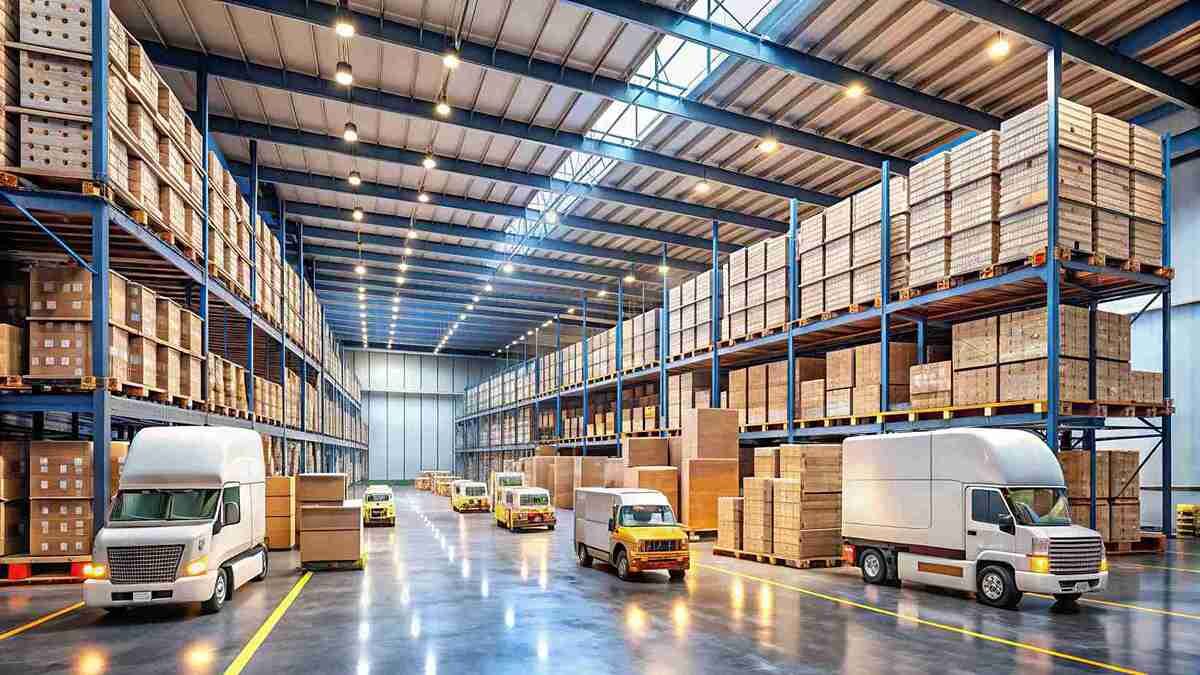
Cross docking warehouse
LogisticsInformational
June 30, 2026 By TEU Global Editorial Team

Cross Docking: The Complete Guide to Faster, Smarter Logistics

Modern distribution logistics depends on efficient freight movement between suppliers, manufacturers, and retailers. One of the most effective strategies for achieving this is cross docking, a process that transfers goods directly from inbound to outbound transportation with little or no storage. Unlike traditional warehousing, this approach reduces handling, lowers storage costs, and speeds up deliveries.

In this guide, we’ll explain how the process works, compare it with conventional warehousing, and discuss how TEU Global supports businesses with reliable logistics solutions across major U.S. distribution hubs.

What Is Cross Docking? A Complete Explanation

This logistics method involves unloading incoming goods from an inbound truck or container and transferring them almost immediately to an outbound vehicle, with little or no time spent in storage. The name comes from the physical layout of the facility, where inbound docks are located on one side of the building and outbound docks are positioned on the opposite side, allowing freight to move efficiently through the distribution center.

What Is Cross Docking in Supply Chain Operations?

This logistics process supports the efficient movement of freight between:

  1. Inbound suppliers and outbound retail destinations
  2. Manufacturing plants and assembly lines
  3. Ports and regional distribution networks
  4. Multiple carriers consolidating into full truckloads

It plays a vital role in modern distribution logistics by allowing freight to move through the supply chain with minimal storage time. These short transfer windows help businesses reduce handling costs, improve inventory flow, and deliver products to customers more quickly 

Cross Docking Definition

The transfer of goods from inbound transportation directly to outbound transportation, with minimal or no warehouse storage in between.

Without efficient cross docking operations, businesses risk higher storage costs, slower delivery times, and unnecessary handling that increases the chance of damage.

How Cross Docking Works

A standard cross docking process follows five steps:

  1. Inbound arrival – A truck or container arrives carrying goods from a manufacturer, supplier, or port.
  2. Unloading and sorting – Items are unloaded and sorted by final destination.
  3. Staging – Goods are briefly staged, often consolidated with shipments from other inbound trucks heading the same direction.
  4. Loading – Sorted goods are loaded onto outbound trucks, rail cars, or containers.
  5. Departure – The outbound shipment heads to its next stop, whether that’s a retail store, distribution center, or end customer.

Cross docking workflow

This cycle typically takes a few hours to about a day, compared to the days or weeks goods might spend sitting in a traditional warehouse.

Types of Cross Docking Services

Different shipping requirements call for different cross docking solutions. Understanding these categories helps businesses choose the right approach for their freight.

Pre-Distribution Cross Docking

Goods already have a destination assigned before they arrive, so sorting and routing decisions are made in advance. This is common in retail replenishment programs.

Post-Distribution Cross Docking

Goods arrive without a predetermined destination, and allocation happens at the facility based on real-time demand or order data.

Manufacturing Cross Docking

Components or sub-assemblies are received and routed immediately to a production line, reducing the need for raw material storage.

Retail Cross Docking

Products from multiple suppliers are consolidated into store-ready shipments, a model widely used by large retail chains replenishing hundreds of locations.

Transportation Cross Docking

Partial loads from multiple carriers are consolidated into full truckloads, a core tactic in freight consolidation for less-than-truckload (LTL) networks.

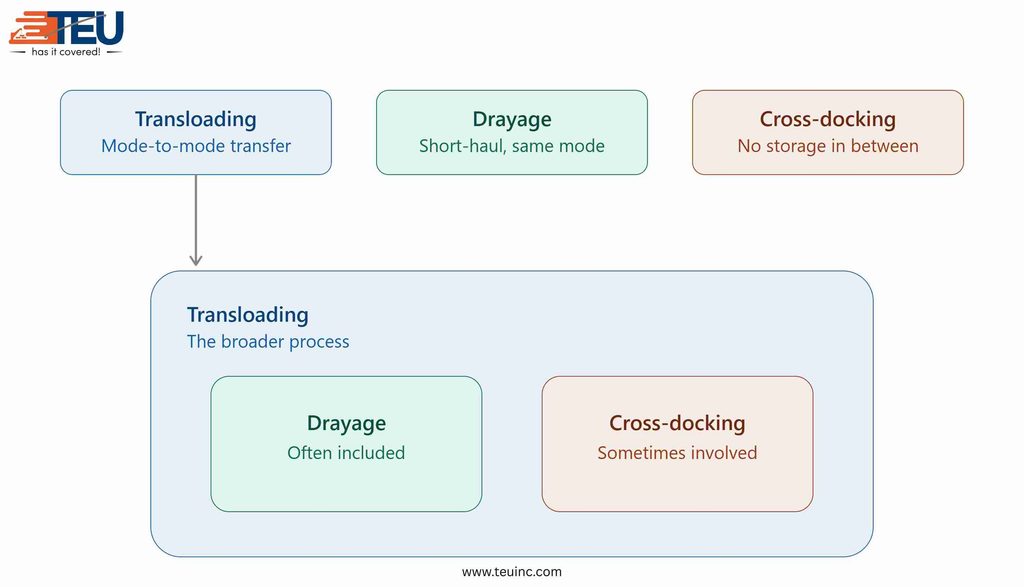
Cross Docking vs Warehousing vs Transloading

Many businesses use these terms interchangeably, but there are important distinctions to understand.

FactorCross DockingTraditional WarehousingTransloading
Storage timeHours to about 1 dayDays, weeks, or monthsSame-day to a few days
Primary purposeFast consolidation and transferInventory holding and fulfillmentSwitching freight between transport modes
HandlingMinimal, direct dock-to-dockHigh, includes put-away and pickingModerate, repackaging or mode switch
Best forHigh-velocity, predictable demandSlow-moving or seasonal stockInternational freight changing modes
Cost structureLower storage cost, higher coordination costHigher storage cost, lower coordination needMode-dependent, tied to port/rail fees
Inventory visibility neededVery high, real-time dataModerateHigh, especially for customs

Comparing these logistics methods helps businesses understand when each approach is most effective. Traditional warehousing is designed to store inventory for future order fulfillment, while transloading focuses on transferring freight between different transportation modes, such as moving cargo from an ocean container to a domestic truck. By contrast, this approach is built to keep freight moving through a facility with little or no storage, reducing handling time and improving supply chain efficiency.

Benefits of Cross Docking

This logistics strategy has become a core part of modern distribution and supply chain optimization because it improves efficiency while reducing operational costs.

  • Lower storage and labor costs – less time in a warehouse means less racking, less long-term space, and less labor spent on put-away and picking.
  • Faster delivery times – with no extended storage, the gap between manufacturing and final delivery shrinks significantly.
  • Reduced handling and damage risk – fewer touches on a product means fewer chances for damage or loss.
  • Stronger freight consolidation – combining partial loads into full truckloads improves trailer utilization and lowers per-unit shipping costs.
  • Better inventory turnover – supports a leaner supply chain since capital isn’t tied up in stored goods.
  • Smaller warehouse footprint – less need for permanent storage space lowers real estate and overhead costs.

Cross Docking Costs & Common Savings

One of the most common questions shippers ask is how cross docking actually reduces logistics costs.

Storage Cost Reduction

A mid-sized importer bringing goods through a busy port can cut warehousing costs significantly by cross docking instead of storing full containers for weeks while orders process. Reducing 30 days of storage down to a same-day transfer eliminates the bulk of storage fees and cuts down repeated picking and put-away labor to a single sort-and-load event.

Freight Consolidation Savings

For LTL shippers, consolidating several partial truckloads into one full truckload through freight consolidation commonly reduces per-unit shipping cost, since carriers charge a premium for partial loads.

Factors That Influence Cross Docking Savings

Several operational factors determine how much a business can reduce logistics costs through this approach:

  • Freight volume and shipping frequency
  • Number of suppliers being consolidated
  • Distance between origin and destination
  • Facility location relative to ports and highway corridors
  • Quality of inbound and outbound scheduling coordination

Common Mistakes Businesses Make

  • Underestimating data requirements. Cross docking depends on real-time visibility into inbound and outbound schedules. Without reliable tracking, it can create bottlenecks instead of improving efficiency.
  • Mismatched inbound and outbound timing. If trucks aren’t synchronized, goods remain at the facility longer than planned, reducing the benefits of this logistics approach.
  • Choosing the wrong products. This method works best for high-volume, predictable, fast-moving goods rather than slow-moving or highly variable inventory.
  • Inadequate carrier coordination. Tight scheduling agreements between carriers and suppliers are essential; otherwise, delays can quickly ripple through the entire operation.
  • Skipping a pilot phase. Implementing the process across an entire supply chain without first testing it on a smaller scale increases the risk of avoidable disruptions.

Industries That Use Cross Docking

This logistics strategy is widely used across industries that depend on fast, efficient freight movement and minimal storage time, including:

  • Retail and grocery – high-volume, fast-moving goods that need to reach stores quickly
  • Automotive and manufacturing – just-in-time delivery of components for production lines
  • E-commerce and parcel delivery – where delivery speed is a competitive differentiator
  • Food and beverage – especially perishables that can’t sit in storage long
  • Pharmaceuticals – time-sensitive products that benefit from minimal handling

When Should a Business Use Cross Docking?

Cross docking tends to be the right fit when a business has:

  • High-volume, predictable demand for specific products
  • A need to reduce delivery times to customers or retail locations
  • Multiple suppliers whose shipments could be consolidated into fuller truckloads
  • Strong systems for real-time inventory and shipment tracking
  • Products that don’t require long-term storage, such as fast-moving consumer goods

It’s generally not the right fit for businesses with highly seasonal or unpredictable inventory that benefits from a storage buffer.

Why Companies Use TEU Global Cross Docking

TEU Global supports businesses with efficient cross docking operations by combining strategically located facilities near major ports and highway corridors with expert logistics coordination. Our team manages both inbound and outbound shipment scheduling to ensure freight moves quickly and efficiently while providing real-time shipment visibility throughout the process. We also consolidate freight from multiple suppliers and carriers to optimize transportation costs and improve delivery performance. As a flexible 3PL provider, TEU Global delivers customized cross docking solutions tailored to each customer’s unique freight patterns, purchase order management, drayage requirements, and domestic truck deliveries. By minimizing delays, reducing handling costs, and keeping freight moving seamlessly from the port to its final destination, we help businesses build faster and more efficient supply chains.

FAQ’s

What is cross docking and how does it work?4

Cross docking is the process of unloading goods from an inbound truck and loading them directly onto an outbound truck with little or no time spent in storage. It works by sorting freight at a facility based on final destination, briefly staging it, and loading it onto outbound transportation, often within hours.

What industries commonly use cross docking services?

Cross docking services are widely used by retailers, automotive manufacturers, e-commerce companies, food and beverage distributors, and pharmaceutical companies to move high-volume, time-sensitive freight efficiently.

Why is cross docking important in distribution logistics?

Cross docking reduces storage costs, minimizes handling, and speeds up delivery times by eliminating the need for extended warehouse storage. It also supports stronger freight consolidation, improving trailer utilization and lowering per-unit shipping costs.

How can businesses reduce cross docking costs?

Businesses can reduce cross docking costs by improving inbound and outbound scheduling coordination, consolidating shipments from multiple suppliers, and working with an experienced logistics partner that has strong real-time visibility systems.

What factors affect cross docking efficiency?

Cross docking efficiency depends on freight volume, scheduling accuracy, facility location relative to ports and highway corridors, and the quality of coordination between inbound and outbound carriers.

How do I know if cross docking is right for my business?

Cross docking works best for businesses with high-volume, predictable demand and products that don’t require long-term storage. Businesses with highly seasonal or unpredictable inventory typically benefit more from traditional warehousing.

READ MORE
Tariffs and import costs impacting global shipping and trade.
InformationalTrade & Tariffs
June 26, 2026 By TEU Global Editorial Team

Tariff Guide for Importers: How Tariffs Affect Import Costs and Global Trade

In today’s global marketplace, importing products provides businesses with access to competitive pricing, diverse supplier networks, and expanded growth opportunities. However, import duties remain one of the most significant factors affecting import costs. 

For importers, these tariffs  are more than just government charges – they directly influence product pricing, landed costs, profit margins, cash flow, and supply chain decisions.  Whether you’re importing consumer goods, industrial equipment, raw materials, or eCommerce products, understanding tariffs is essential for maintaining profitability and avoiding unexpected costs.

At TEU Global, we help businesses navigate international shipping, customs clearance, and import compliance to ensure smooth and cost-effective trade operations. This guide explains how import duties and customs charges work, how they affect import costs, and how importers can manage their impact effectively. 

What Are Tariffs?

Tariffs are taxes imposed by governments on imported goods entering a country. These charges are typically paid before customs authorities release shipments for delivery.

Import tariffs and landed cost calculation in global trade and shipping.

Governments implement these import duties for several reasons:

  • Protect domestic industries from foreign competition
  • Generate government revenue
  • Regulate international trade
  • Encourage local manufacturing
  • Influence trade relationships between countries

From an importer’s perspective, these customs charges increase the overall cost of bringing goods into a market. The amount payable depends on factors such as:

  • Product classification (HS/HTS Code)
  • Country of origin
  • Product value
  • Applicable trade agreements
  • Current trade policies

Major Factors That Affect Tariff Rates: 

Factor Impact on Tariff 
HS Code ClassificationDetermines applicable duty rate 
Country of OriginMay qualify for trade agreement benefits 
Product TypeDifferent products have different rates
Trade Policies Governments may increase or decrease tariffs 
Customs Valuation Affects total duty calculation

Source: World Customs Organization (WCO) 

Understanding import duty requirements before importing allows businesses to make informed sourcing and pricing decisions.

Why Should Importers Care About Tariffs?

Many importers focus primarily on supplier pricing and freight expenses. However, tariffs can significantly impact the total cost of imported goods and directly affect profitability.

Higher Landed Costs

Tariffs increase the total landed cost of a shipment.

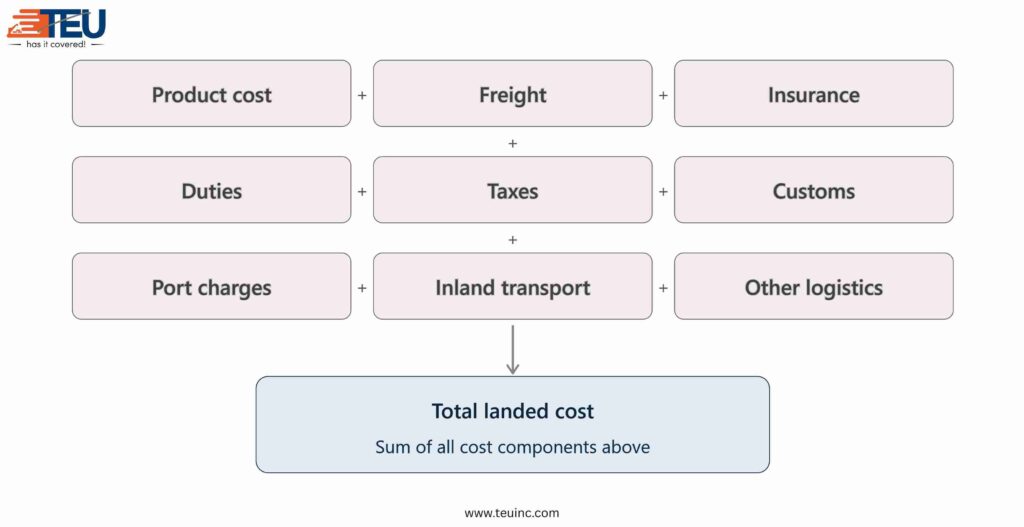
Landed cost typically includes:

  • Product purchase price
  • Ocean freight or air freight charges
  • Insurance costs
  • Customs duties and tariffs
  • Taxes and government fees

Even a modest increase in tariff rates can significantly raise overall import costs. 

Reduced Profit Margins

Higher import costs can directly reduce profit margins.

When tariffs rise, businesses generally have three options: 

  1. Absorb the cost
  2. Increase product prices
  3. Find alternative sourcing solutions

Absorbing tariff costs may reduce profitability, while increasing prices can affect competitiveness.

Increased Product Prices

When import costs rise, businesses frequently pass those expenses to customers.

This can result in:

  • Higher retail prices
  • Reduced customer demand
  • Competitive disadvantages
  • Lower sales volumes

Importers must carefully balance pricing strategies to maintain market share.

Cash Flow Challenges

Tariffs are generally paid during customs clearance before products are released.

For importers moving large shipment volumes, tariff payments can create significant cash flow pressures.

Effective financial planning helps businesses mitigate disruptions caused by unexpected customs-related expenses. 

How Tariffs Affect International Shipping

Tariffs impact more than just taxes. They influence multiple areas of international logistics and supply chain management.

Customs Clearance

Customs authorities evaluate shipments based on:

  • Product descriptions
  • HS codes
  • Country of origin
  • Declared value

Incorrect tariff calculations can lead to:

  • Customs delays
  • Additional inspections
  • Fines and penalties
  • Shipment holds

Accurate documentation is essential for efficient customs clearance. 

Import Documentation

Tariff assessments rely on complete and accurate paperwork.

Required documents may include:

  • Commercial invoices
  • Packing lists
  • Bills of lading
  • Certificates of origin
  • Product specifications

Missing or incorrect information can delay shipments and increase costs.

Supply Chain Planning

Changes in tariff policies can force businesses to reassess:

  • Supplier locations
  • Manufacturing strategies
  • Inventory management
  • Distribution networks

Importers that proactively monitor tariff developments can adapt more effectively and strengthen supply chain resilience. 

Freight Budgeting

Tariffs should always be included when calculating shipping expenses.

Many businesses budget for:

  • Freight costs
  • Warehousing
  • Insurance

But overlook customs duties and tariffs, leading to unexpected financial burdens.

How Importers Calculate Tariffs

Understanding tariff calculations helps businesses estimate import costs accurately.

Step 1: Determine Product Value

Customs value is generally based on:

  • Product cost
  • Freight charges
  • Insurance costs

Step 2: Identify the Correct HS/HTS Code

Every imported product is assigned a Harmonized System (HS) code.

This code determines:

  • Applicable tariff rates
  • Regulatory requirements
  • Import restrictions

Incorrect classification can result in:

  • Overpayment
  • Underpayment
  • Compliance issues
  • Customs penalties

Step 3: Determine the Tariff Rate

Assume the applicable tariff rate is 10%.

Calculation:

$10,000 × 10% = $1,000

Tariff Due = $1,000

Step 4: Calculate Total Landed Cost

Total landed cost represents the complete expense of importing goods, not just the product purchase price. Importers should account for all costs associated with moving products from the supplier to the final destination, including freight charges, insurance, customs duties, tariffs, taxes, and other applicable fees. 

Calculating landed cost accurately helps businesses evaluate profitability, set appropriate pricing, manage budgets, and make informed sourcing decisions before placing import orders. 

Common Tariff Mistakes Importers Make

Using Incorrect HS Codes

One of the most common importing mistakes is assigning the wrong product classification.

This can result in:

  • Overpayment of duties
  • Customs audits
  • Delays
  • Regulatory penalties

Underestimating Landed Costs

Many businesses focus only on product pricing while ignoring:

  • Freight charges
  • Customs duties
  • Taxes
  • Administrative fees

This leads to inaccurate pricing and lower profitability.

Ignoring Trade Policy Changes

Tariff rates and trade regulations can change rapidly.

Businesses that fail to monitor updates may experience:

  • Unexpected costs
  • Compliance risks
  • Supply chain disruptions

Choosing Suppliers Based Only on Product Cost

A lower purchase price does not necessarily translate into lower overall landed costs. 

Importers should evaluate:

  • Freight expenses
  • Tariff rates
  • Transit times
  • Customs requirements

The lowest supplier price may not deliver the lowest landed cost.

How Importers Can Reduce Tariff Impact

Although tariffs cannot always be avoided, businesses can minimize their impact through strategic planning and informed sourcing decisions. 

Diversify Sourcing Locations

Sourcing from multiple countries helps reduce dependency on regions subject to high tariff rates.

Regular supplier evaluations can uncover more cost-effective alternatives.

Ensure Accurate Product Classification

Correct HS code classification helps businesses:

  • Avoid penalties
  • Prevent overpayment
  • Improve customs compliance
  • Speed up clearance processes

Utilize Free Trade Agreements

Many countries have trade agreements that provide:

  • Reduced duty rates
  • Preferential treatment
  • Duty-free imports for qualifying products

Understanding trade agreement eligibility can generate substantial savings.

Consolidate Shipments

Combining multiple shipments into one freight movement can:

  • Reduce transportation costs
  • Improve inventory planning
  • Increase logistics efficiency

Work with Experienced Freight Forwarders

Professional freight forwarders and logistics providers help importers:

  • Manage customs documentation
  • Ensure compliance
  • Calculate duties accurately
  • Navigate changing tariff regulations

This minimizes costly mistakes and improves operational efficiency.

ChallengeHow TEU Global Help
Tariff Calculation Provides guidance on import costs 
Customs Clearance Supports compliant documentation 
Shipping Delays Coordinates efficient freight movement 
Cost Management Identifies logistics optimization opportunities 
Supply Chain Visibility Improves shipment tracking and planning 

How TEU Global Helps Importers Manage Tariffs

Managing tariffs and customs regulations can be complex, especially for growing businesses expanding internationally.

At TEU Global, we support importers through:

Customs Clearance Support

Our team helps ensure shipments comply with customs regulations and avoid unnecessary delays.

Documentation Management

We assist with preparing and reviewing critical shipping documents to reduce compliance risks.

Freight Forwarding Solutions

From ocean freight and air freight to multimodal transportation, TEU Global helps businesses move cargo efficiently across global markets.

Supply Chain Optimization

We help importers analyze shipping routes, sourcing strategies, and logistics costs to improve overall supply chain performance.

Import Cost Visibility

By understanding duties, tariffs, and landed costs upfront, businesses can make smarter purchasing decisions and improve profitability.

FAQs

How are tariffs calculated on imports?

Tariffs are usually calculated as a percentage of the customs value of imported goods.

Do tariffs affect freight costs?

No. Tariffs are separate from freight charges but increase overall import costs.

Can freight forwarders help with tariff compliance?

Yes. Freight forwarders help with documentation, classification, and customs compliance.

What is the difference between tariffs and customs duties?

Tariffs are taxes on imports, while customs duties is a broader term for import-related charges.

How do tariffs affect landed cost?

Tariffs increase landed cost by adding extra charges to imported goods.

Conclusion

Tariffs play a critical role in international trade and directly affect import costs, profit margins, pricing strategies, and supply chain operations. Businesses that understand tariff structures and proactively account for their impact are better positioned to maintain competitiveness and profitability.

By accurately calculating landed costs, staying informed about trade regulations, and working with experienced logistics partners, importers can reduce risk and improve operational efficiency.

TEU Global helps businesses navigate tariffs, customs requirements, freight forwarding, and international shipping complexities with confidence.

Stay informed about changing tariff regulations and global trade developments. Visit the TEU Global blog regularly for the latest insights on tariffs, customs compliance, international shipping, and supply chain management to help you make smarter importing decisions.

Need help managing import costs and customs requirements? Contact TEU Global today to speak with our logistics experts.

READ MORE
Supply Chain Optimization: How TEU Global Helps Businesses Build Smarter, Faster Logistics Networks
InformationalLogistics
June 19, 2026 By TEU Global Editorial Team

Supply Chain Optimization: How TEU Global Helps Businesses Build Smarter, Faster Logistics Networks

In global trade, supply chain optimization matters. Businesses compete not just on product quality, but on how fast and cost-effectively they move goods across borders.

At TEU Global, supply chain optimization is central to how we design logistics solutions for clients across the USA and worldwide. We help businesses streamline operations through integrated logistics services that reduce delays, improve visibility, and cut costs.

What is Supply Chain Optimization?

It refers to the process of improving every stage of the logistics network – from sourcing and transportation to warehousing and final delivery-to ensure maximum efficiency and minimum cost. According to the Council of Supply Chain Management Professionals (CSCMP), supply chain optimization improves logistics efficiency and performance across networks.

It focuses on:

  • Reducing transportation delays
  • Improving inventory management
  • Increasing supply chain visibility
  • Lowering operational costs
  • Enhancing delivery speed and reliability

In short: the right product reaches the right place at the right time, without unnecessary delays or expenses. 

Supplychain Optimization

Why Supply Chain Optimization Matters in Global Logistics

Modern supply chains are complex. A single shipment may pass through multiple countries, ports, warehouses, and transportation modes before reaching its final destination.

Without proper optimization, businesses face challenges such as:

  • Port congestion and delays
  • High demurrage and detention charges
  • Poor inventory planning
  • Lack of shipment visibility
  • Increased freight costs

This is where TEU Global’s integrated logistics approach makes a difference.

By combining ocean freight, customs brokerage, warehousing, and distribution under one system, TEU reduces fragmentation and creates a seamless logistics flow.

TEU Global’s Approach to Supply Chain Optimization

At TEU Global, we focus on end-to-end supply chain management, ensuring that every step of the logistics process is connected and fully visible.

1. Integrated Freight Forwarding Solutions

TEU manages global shipping routes through its freight forwarding services, carrier coordination, and cargo booking to ensure timely and cost-effective transportation.

By working with major carriers and optimizing routes, we help businesses reduce transit delays and improve shipping reliability.

2. Efficient Customs Clearance

One of the biggest bottlenecks in global trade is customs processing.

TEU’s licensed customs brokerage services ensures:

  • Accurate documentation
  • Faster clearance times
  • Reduced risk of penalties
  • Compliance with U.S. import regulations

This helps businesses avoid unnecessary delays at ports of entry.

3. Drayage and Port Logistics Optimization

Once cargo arrives at the port, speed is critical.

TEU Global coordinates drayage operations at major U.S. gateways, ensuring containers move quickly from port to warehouse.

This reduces:

  • Port congestion delays
  • Demurrage and detention costs
  • Container storage inefficiencies

4. Warehousing and Distribution Efficiency

Warehousing and Distribution plays a key role in supply chain optimization.

TEU provides:

  • Strategic warehouse placement
  • Inventory management systems
  • Order fulfillment support
  • Transloading and palletizing

By integrating warehousing with transportation planning, TEU ensures faster distribution and better inventory control.

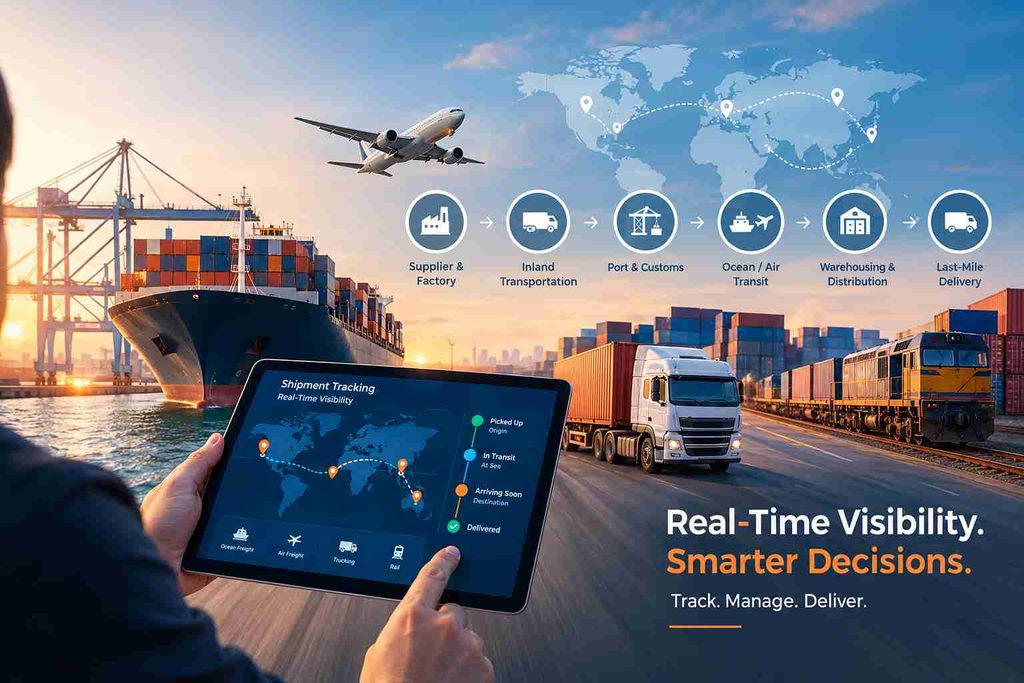
5. End-to-End Supply Chain Visibility

Visibility is one of the most important factors in modern logistics.

TEU Global provides real-time coordination across:

  • Ocean freight
  • Customs clearance
  • Drayage
  • Warehousing
  • Final delivery

This allows businesses to track shipments at every stage and make faster, data-driven decisions. Modern supply chains require full transparency. Through its integrated logistics solutions, TEU provides visibility across freight, customs, warehousing, and final delivery.

Key Benefits of Supply Chain Optimization with TEU Global

Partnering with TEU Global helps businesses achieve:

✔ Reduced Operational Costs

By eliminating inefficiencies and reducing delays across the supply chain.

✔ Faster Delivery Times

Optimized routing and coordinated logistics reduce transit times significantly.

✔ Improved Inventory Management

Better forecasting and warehousing reduce stockouts and overstocking.

✔ Greater Supply Chain Visibility

End-to-end tracking improves transparency and decision-making.

✔ Lower Risk of Delays

Integrated systems reduce communication gaps between logistics stages.

The Future of Supply Chain Optimization

The logistics industry is rapidly evolving with technologies like:

  • Artificial intelligence (AI) in routing and forecasting
  • Digital twins for supply chain modeling
  • Real-time tracking systems
  • Automated warehouse operations

Research in logistics optimization shows that advanced systems can minimize cost, emissions, and delivery time simultaneously through multi-objective optimization models.

TEU Global continues to adopt modern logistics strategies to stay ahead of these industry trends.

Why Businesses Choose TEU Global

Businesses trust TEU Global because we offer:

  • One-stop logistics solutions
  • Strong global carrier network
  • Experienced customs brokerage team
  • Integrated supply chain management
  • Reliable communication and visibility

Instead of managing multiple vendors, clients get a single, streamlined logistics partner.

Final Thoughts

In today’s competitive global market, supply chain optimization is no longer optional-it is essential.

Businesses that optimize their logistics networks gain a major advantage in cost savings, speed, and customer satisfaction.

With its integrated approach to freight forwarding, customs clearance, drayage, and warehousing, TEU Global helps companies build smarter, faster, and more resilient supply chains.

Ready to optimize your supply chain? Contact our logistics experts today to get a customized logistics solution.

FAQs

Why is supply chain optimization important?

It helps businesses improve logistics efficiency, reduce delays, lower operational expenses, and enhance customer satisfaction.

How does TEU Global support supply chain optimization?

TEU Global provides integrated freight forwarding, customs brokerage, transportation optimization, warehousing, and distribution management solutions.

What are the benefits of supply chain visibility?

Supply chain visibility allows businesses to track shipments in real time, identify potential disruptions, and make informed decisions.

How can warehouse optimization improve business performance?

Warehouse optimization improves inventory accuracy, increases storage efficiency, accelerates order fulfillment, and supports overall supply chain performance.

READ MORE
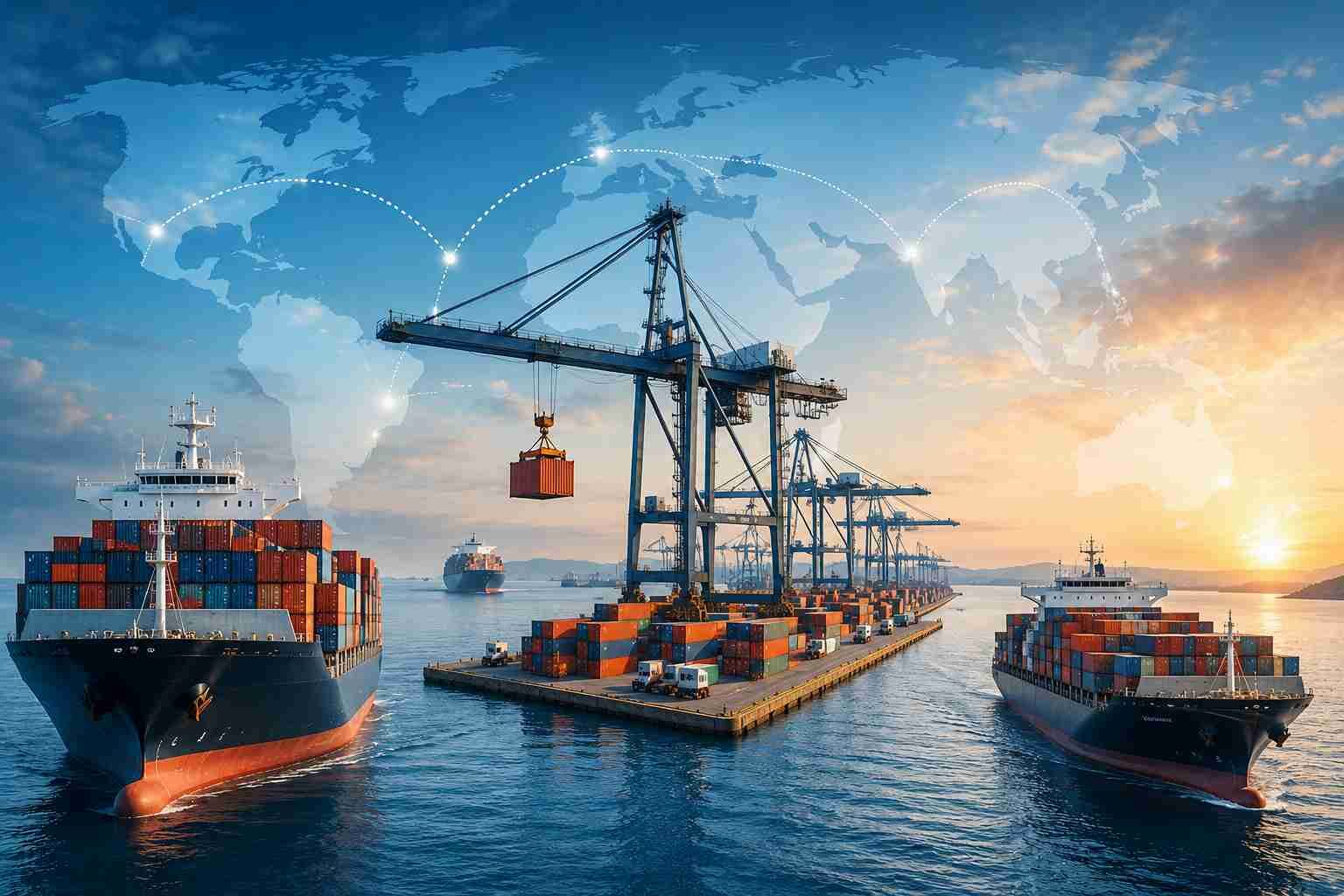
Freight containers stacked on a cargo ship at sunset, with cranes and port facilities in the background, highlighting global trade and transportation networks.
InformationalLogistics
June 16, 2026 By TEU Global Editorial Team

What Is Drayage in Shipping? Complete Guide to Drayage Services, Costs & Logistics 

Drayage plays a critical role in modern supply chains, connecting ports, rail terminals, warehouses, and distribution centers through short-distance transportation. Although often overlooked, drayage is essential for ensuring containers move efficiently between different modes of transport and reach their destinations on time.

In this guide, we’ll explain what is drayage in shipping, explore different types of drayage services, compare drayage vs trucking, break down common drayage costs, and discuss how TEU supports businesses with reliable drayage solutions across major U.S. logistics hubs.

What Is Drayage in Shipping? (Complete Explanation)

Drayage Meaning

The term drayage originated from the word “dray,” a low, flat-bed cart historically used to transport goods over short distances. Today, drayage refers to the transportation of shipping containers or freight over relatively short distances, typically within a port area, rail yard, or local distribution network.

What Is Drayage in Shipping in Logistics?

Drayage is the movement of cargo between transportation nodes, such as:

  1. Ports and warehouses
  2. Ports and rail terminals
  3. Rail yards and distribution centers
  4. Container yards and fulfillment facilities

This is a key part of understanding what is drayage in shipping within modern supply chains. These short-haul movements form a critical link in the broader supply chain and support seamless intermodal transportation.

Drayage Definition

The short-distance transportation of freight containers between ports, rail terminals, warehouses, and other logistics facilities.

Without efficient drayage operations, cargo can experience delays, increased storage costs, and supply chain disruptions.

What Is Drayage in Shipping? Complete Guide to Drayage Services, Costs & Logistics 

Types of Drayage Services

Different shipping requirements call for different drayage solutions. Understanding these categories helps businesses choose the right service for their cargo.

Intermodal Drayage

Intermodal container transportation involves moving freight containers between different transportation modes, such as ships, trains, and trucks. It enables efficient long-distance freight movement while minimizing handling and transportation costs. 

Port Drayage Services USA

U.S. port container transportation services are designed to move shipping containers between seaports and nearby logistics facilities. These services are especially important at major ports such as Los Angeles, Long Beach, Newark, Savannah, Houston, and Miami. 

Port drayage helps importers and exporters quickly move cargo away from congested terminals and into distribution networks.

Expedited Drayage

Expedited drayage prioritizes urgent shipments requiring immediate pickup and delivery. This service is commonly used for time-sensitive cargo, retail inventory replenishment, and high-value goods.

Shuttle Drayage

Shuttle drayage is used when containers must be moved between facilities due to terminal congestion, lack of storage space, or operational constraints. It helps maintain cargo flow and prevents delays.

Domestic Drayage

Domestic drayage focuses on container transportation within the United States. These movements often support regional distribution, warehouse transfers, and inland logistics operations.

Common Drayage Terms Every Shipper Should Know

Before comparing drayage and trucking services, it’s helpful to understand several common logistics terms frequently used in container transportation. These terms can impact shipment planning, tracking visibility, and overall transportation costs. 

TermsMeaning 
Container Available The container has been released by the port, rail terminal, or shipping line and is ready for pickup. 
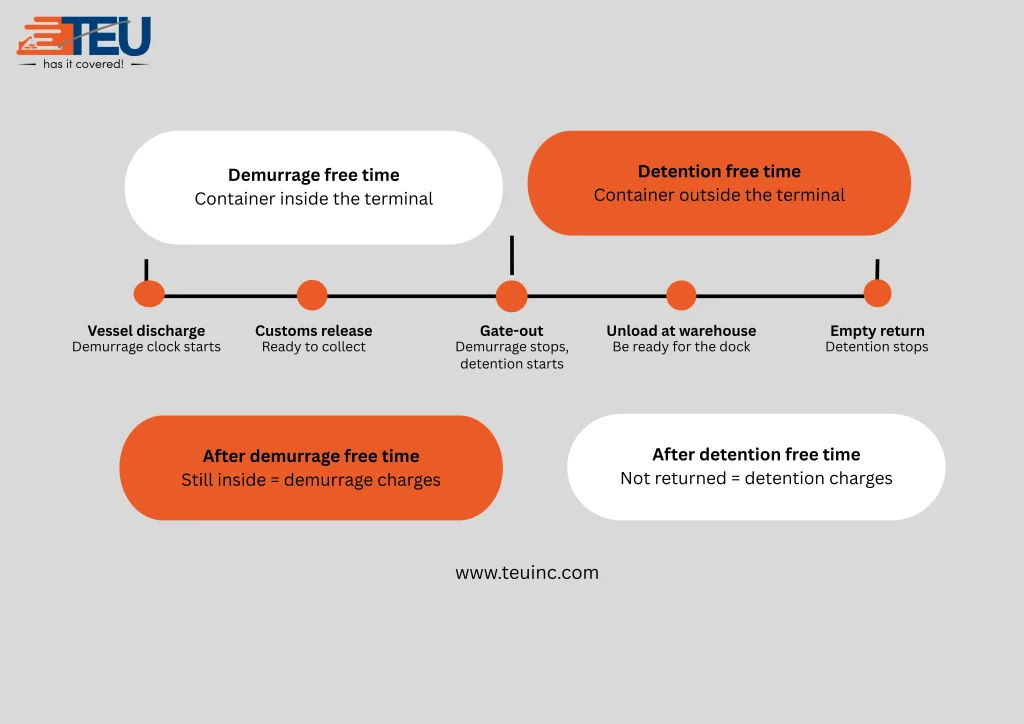
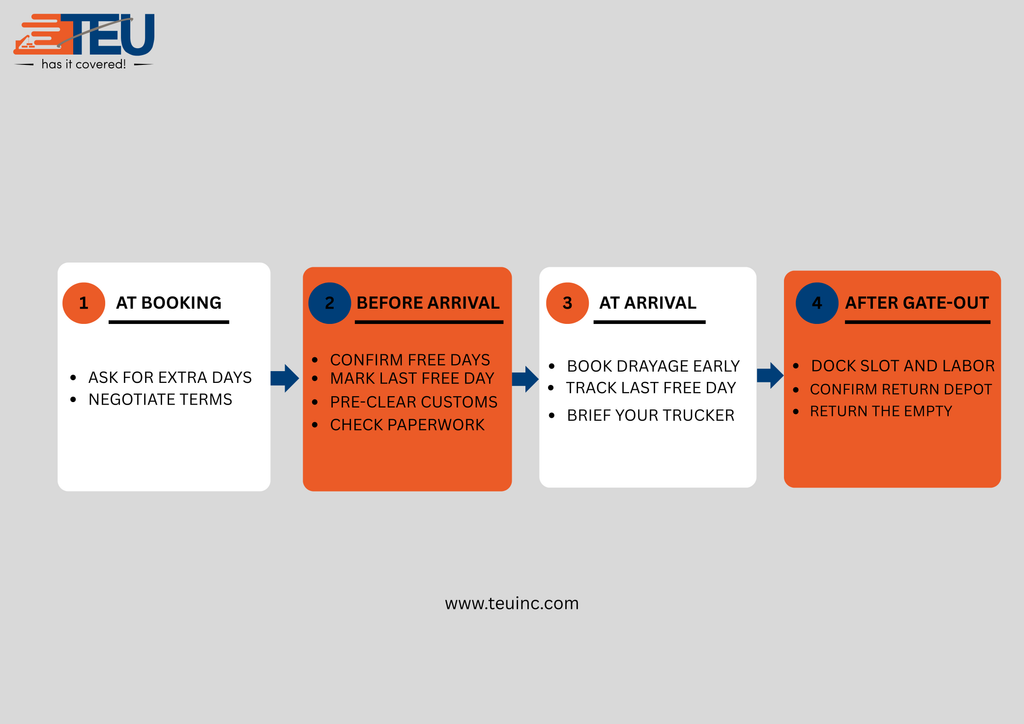
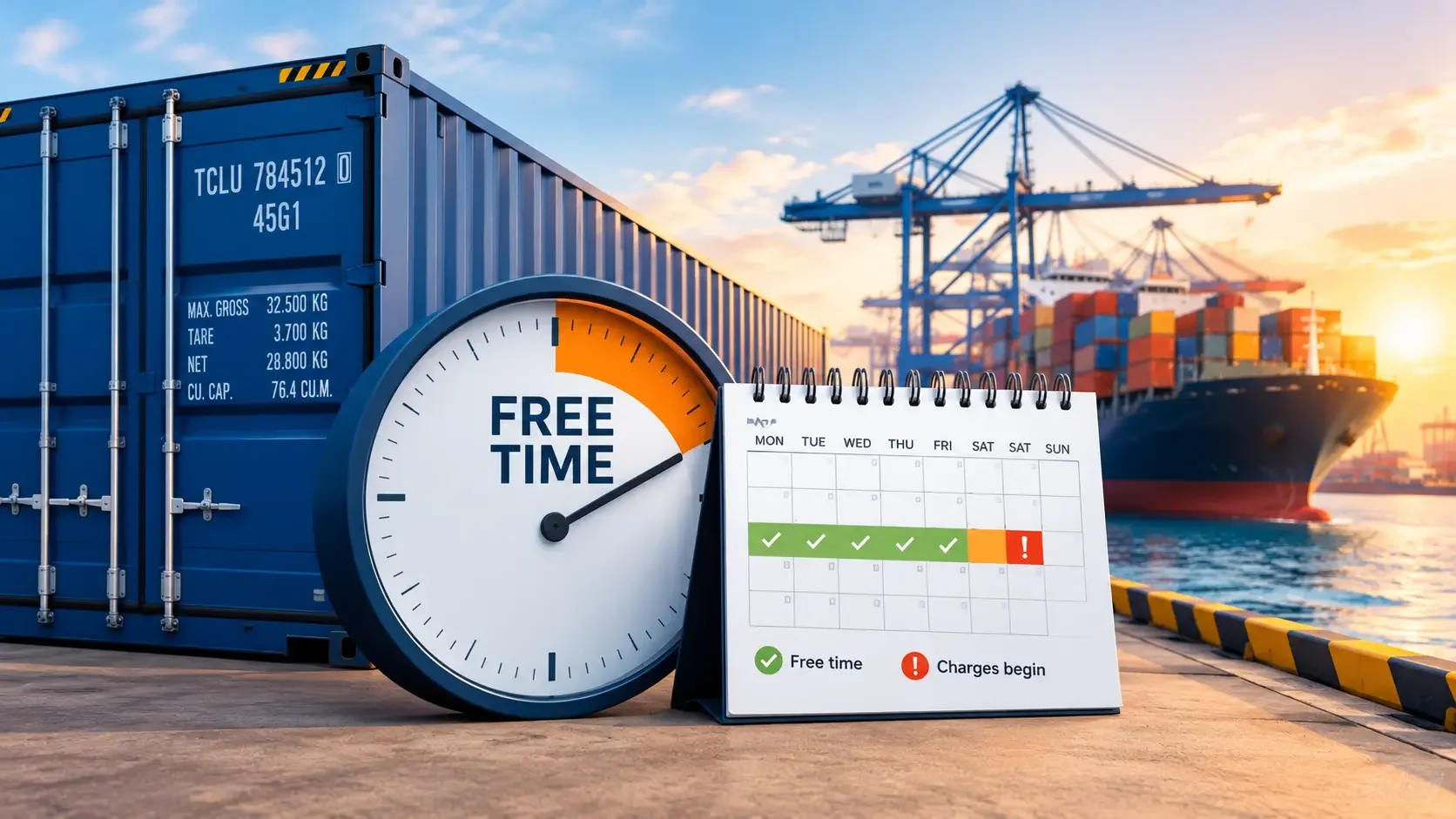
Last Free Day (LFD) The final day a container can remain at a terminal or facility before additional charges begin to apply. 
Container Yard (CY) A designated storage area where containers are held before pickup, delivery, or return. 
Customs Hold A temporary shipment delay caused by customs inspection, documentation review, or compliance checks. 
Detention Charges incurred when drivers or equipment are delayed beyond the allotted free time during pickup or delivery. 
Per Diem Daily fees charged when containers are retained outside the terminal beyond the shipping line’s free-use period. 

Drayage vs Trucking: What’s the Difference?

Many businesses use the terms interchangeably, but there are important distinctions between the difference between drayage and trucking. 

Drayage Trucking 
Short-distance container transportLong-distance freight transportation 
Typically under 100 miles Regional or Nationwide routes  
Connects transportation hubs Direct cargo delivery across destinations 
Often part of Intermodal logistics Can operate independently 

Comparing drayage vs trucking helps clarify what is drayage in shipping and how short-haul transport differs from long-haul logistics.

Drayage Trucking

Specialized trucks and chassis to transport shipping containers between ports, rail terminals, and warehouses.

Short Haul Container Transport

Drayage is often considered short haul container transport because it covers relatively brief distances while supporting larger supply chain movements.

Drayage Carrier

A drayage carrier is a transportation provider specializing in container movement and intermodal freight operations. Choosing an experienced drayage carrier helps reduce delays, detention charges, and equipment shortages.

Drayage Costs & Common Fees Explained

One of the most common questions shippers ask is how much drayage costs and what fees are involved.

Drayage Fees Explained

Several factors influence drayage pricing:

  • Distance traveled
  • Port congestion
  • Fuel costs
  • Container type
  • Equipment availability
  • Driver wait times
  • Terminal operating conditions

These cost factors are important when evaluating what is drayage in shipping for your supply chain operations.

Drayage Cost Per Container

Container transportation expenses vary based on the market, travel distance, and specific service requirements. 

Typical factors affecting container pricing include:

  • Local trucking rates
  • Port access fees
  • Chassis availability
  • Delivery windows
  • Special handling requirements

Chassis Fee Shipping

A common charge in container transportation is the chassis fee shipping cost. A chassis is the wheeled frame used to transport shipping containers on public roads.

If a carrier must provide chassis equipment, additional rental or usage fees may apply.

Drayage Detention Charges

Additional fees may be assessed when truck drivers are required to wait beyond the designated free time during container pickup or delivery operations. These delays can increase transportation costs and disrupt supply chain efficiency.

Common causes include:

  • Warehouse delays
  • Terminal congestion
  • Documentation issues
  • Labor shortages

Common causes include:

  • Warehouse delays
  • Terminal congestion
  • Documentation issues
  • Labor shortages

Per Diem Charges Drayage

Per diem charges drayage fees are assessed when containers remain outside the terminal beyond the free-use period provided by the shipping line.

These charges can accumulate quickly and significantly increase transportation costs if containers are not returned promptly.

Comprehensive Drayage Services for Modern Supply Chains

Reliable drayage services are essential for keeping freight moving efficiently between ports, rail terminals, warehouses, and distribution centers. Businesses across various industries rely on experienced logistics providers to ensure containers are transported safely, on time, and with complete visibility throughout the supply chain.

Professional drayage solutions support:

  • Port-to-warehouse transportation
  • Rail-to-distribution center movements
  • Intermodal container transfers
  • Time-sensitive freight deliveries
  • Container repositioning and shuttle services
  • Integrated third-party logistics (3PL) operations

By combining transportation expertise, real-time shipment tracking, and scalable logistics solutions, drayage providers help businesses reduce delays, control costs, and improve overall supply chain performance.

3PL Drayage Services

As a comprehensive logistics partner, TEU offers integrated 3PL drayage services that connect transportation, warehousing, freight management, and supply chain operations into one streamlined solution.

Container Drayage Near Me

Businesses seeking dependable container transport services require logistics partners with local market knowledge and nationwide reach. TEU delivers comprehensive drayage solutions through an extensive network that connects key ports, rail hubs, and distribution centers across the United States, ensuring efficient container movement and supply chain continuity. 

Why Businesses Choose TEU for Drayage Services

TEU helps customers optimize container transportation through:

  • Nationwide drayage coverage
  • Port and rail terminal expertise
  • Intermodal transportation solutions
  • Real-time shipment visibility
  • Dedicated logistics support
  • Scalable 3PL capabilities
  • Reduced detention and storage costs

Our experienced team works closely with customers to ensure containers move efficiently through every stage of the supply chain.

Conclusion

Industry organizations such as the American Trucking Associations emphasize the importance of efficient freight transportation and supply chain connectivity. Understanding what is drayage in shipping is essential for businesses involved in container transportation, intermodal logistics, and global trade. Drayage serves as a critical connection between ports, rail terminals, warehouses, and distribution centers, ensuring freight moves efficiently through every stage of the supply chain. Whether supporting intermodal transportation, reducing transit delays, or improving cargo visibility, drayage plays a vital role in modern logistics operations.

By understanding the different types of drayage services, common industry terminology, and the factors that influence drayage costs, businesses can make more informed transportation decisions and improve overall supply chain performance. Investing in reliable drayage solutions helps optimize freight movement, control costs, and maintain a more efficient, resilient, and competitive logistics network.


FAQ’s

What is drayage in shipping and how does it work?

Drayage in shipping is the short-distance transport of containers between ports, rail terminals, warehouses, and distribution centers. It connects different transport modes in the supply chain. It works by picking up containers from a port or rail yard, moving them by truck to a nearby facility, and then returning the empty container or equipment back to the terminal.

What industries commonly use drayage services?

Drayage services are widely used by retailers, manufacturers, importers, exporters, e-commerce companies, and third-party logistics providers (3PLs) to move containers between ports, rail terminals, warehouses, and distribution centers.

Why is drayage important in intermodal transportation?

Drayage serves as the critical link between different transportation modes, including ships, trains, and trucks. Without efficient drayage, containers cannot move smoothly through the intermodal supply chain.

How can businesses reduce drayage costs?

Businesses can reduce drayage costs by improving shipment planning, minimizing detention time, returning containers before per diem charges apply, and working with experienced drayage providers that offer efficient routing and real-time visibility.

What factors affect drayage transit times?

Drayage transit times depend on distance, port congestion, carrier availability, and customs clearance. Delays can also occur when shipments are marked “in transit”, which you can learn more about here: What does in transit mean.

How do I choose a reliable drayage carrier?

When selecting a drayage carrier, businesses should evaluate service coverage, port and rail expertise, equipment availability, shipment visibility, safety record, and experience handling intermodal freight.

READ MORE
HTS Code Classification
InformationalCompliance & Regulations
June 11, 2026 By TEU Global Editorial Team

HTS Code Classification Guide 2026: Avoid Customs Penalties and Reduce Import Duty Costs

Introduction

In today’s increasingly complex trade environment, accurate HTS code classification is more important than ever. With heightened customs enforcement, evolving tariff regulations, and stricter compliance requirements in 2026, importers face significant risks when products are classified incorrectly.

A single classification error can lead to customs delays, unexpected duties, penalties, cargo holds, or even government audits. Understanding customs tariff classification through this HTS classification guide helps businesses remain compliant, control costs, and maintain efficient supply chains. 

This guide explains how importers can avoid common classification mistakes, reduce duty expenses, and prepare for increased customs scrutiny in 2026.

What Is HTS Code Classification?

Import tariff classification is the process of assigning imported products to the correct Harmonized Tariff Schedule (HTS) code used by U.S.Customs and Border Protection (CBP).

Every imported product must be classified under a specific tariff code that determines:

  • Applicable duty rates
  • Trade restrictions
  • Import documentation requirements
  • Eligibility for trade programs
  • Additional tariff obligations

The HTS system is based on the international Harmonized System (HS), making proper HS code classification essential for global trade compliance.

Accurate classification ensures that importers pay the correct duties while avoiding customs violations.

Why HTS Classification Matters for Importers

Proper HTS code classification affects nearly every aspect of importing goods into the United States.

Key benefits include:

  • Accurate duty assessment
  • Faster customs clearance
  • Reduced compliance risk
  • Improved supply chain planning
  • Lower likelihood of audits

Incorrect classifications can result in costly corrections, shipment delays, and increased scrutiny from customs authorities.

As customs regulations continue to evolve in 2026, businesses that prioritize classification accuracy gain a significant competitive advantage.

Common HTS Classification Mistakes That Trigger Customs Penalties

Many customs penalties result from avoidable classification errors.

Common mistakes include:

Using Supplier-Provided Codes Without Verification – Foreign suppliers often assign tariff codes based on local regulations, which may not align with U.S. requirements.

Classifying Products Based Solely on Product Names – Classification depends on a product’s composition, function, and intended use-not its marketing description.

Overlooking Product Modifications – Even minor changes in materials or functionality may require a different tariff classification.

Failing to Update Classifications – Trade regulations and tariff schedules change regularly. Importers should review classifications periodically to ensure continued accuracy.

Maintaining Inadequate Documentation – Insufficient product specifications can make it difficult to support classification decisions during customs reviews.

These mistakes frequently lead to penalties, duty reassessments, and increased compliance costs.
Explore more about TEU Global’s HTS classification and trade compliance solutions.

The engineer is checking the safety of the container ship.

How Incorrect HTS Codes Increase Duty Costs

One of the most significant financial consequences of poor HTS code classification is the overpayment or underpayment of duties.

When a product is classified incorrectly:

  • Duty rates may be higher than necessary.
  • Additional tariffs may apply.
  • Customs may assess retroactive duty payments.
  • Interest and penalties may be imposed.

Accurate import duty calculation begins with selecting the correct HTS code.

Many importers uncover substantial savings opportunities by conducting comprehensive classification reviews and identifying more accurate tariff categories.

Proper classification can help businesses legally reduce import duties while maintaining full compliance.

How to Conduct an HTS Code Lookup Properly

Performing an accurate HS code search requires more than simply searching by product name.

Follow these steps:

Gather Complete Product Information

Collect detailed specifications, including:

  • Materials
  • Manufacturing processes
  • Product functions
  • Technical characteristics

Review Official HTS Resources

Use official tariff schedules and customs guidance documents to identify the most appropriate classifications.

Compare Similar Products Carefully

Products that appear similar may fall under entirely different tariff headings.

Document Your Analysis

Maintain detailed records that support classification decisions.

A thorough HTS classification process helps reduce errors and strengthens compliance efforts.

HTS Code Classification and U.S. Tariffs in 2026

Recent trade policy developments have increased the importance of accurate tariff classification Many tariff programs in 2026 apply only to specific classifications. Importers should monitor updates from the Office of the United States Trade Representative (USTR) to stay informed about tariff changes and trade policy developments.

  • Trigger unnecessary tariffs
  • Eliminate eligibility for trade programs
  • Increase landed costs
  • Result in customs regulatory issues 

As import regulations continue to change, businesses should review classifications whenever new tariff measures are introduced.

Understanding the relationship between customs tariff classification and tariff exposure helps companies manage import costs more effectively.

Preparing for a Customs Audit

Customs audits are becoming more common as regulatory agencies increase enforcement efforts.

Effective customs audit preparation begins with accurate classification procedures.

Importers should:

  • Maintain classification records
  • Preserve product specifications
  • Document classification methodologies
  • Conduct periodic internal reviews
  • Correct identified errors promptly

A well-documented classification program demonstrates good-faith compliance and may help reduce enforcement risks.

Best Practices for Customs Compliance

Successful importers treat classification as an ongoing compliance process.

Recommended practices include:

Conduct Regular Classification Reviews

Review classifications whenever products, suppliers, or regulations change.

Implement Internal Controls

Establish procedures for reviewing tariff classifications before importation.

Train Staff

Employees involved in sourcing, logistics, and compliance should understand classification fundamentals.

Monitor Regulatory Updates

Stay informed about tariff changes and customs guidance.

Strong import compliance programs reduce risk while improving operational efficiency.

When to Seek Professional Classification Assistance

Certain products require advanced classification analysis.

Professional assistance may be beneficial when dealing with:

  • Complex manufactured goods
  • Multifunction products
  • High-duty imports
  • Products subject to special tariffs
  • Customs disputes or audits

Expert classification reviews often identify risks and cost-saving opportunities that internal teams may overlook.

How TEU Helps Importers Stay Compliant

Managing tariff classifications can be challenging, particularly as customs regulations continue to evolve.

TEU helps importers improve compliance through:

  • HTS classification support
  • Customs consulting services
  • Tariff risk assessments
  • Duty optimization strategies
  • Trade compliance reviews
  • Import documentation assistance

Businesses can also benefit from TEU’s resources related to:

  • Tariff rate analysis
  • Import compliance consulting
  • Customs brokerage support
  • Supply chain optimization
  • Trade advisory services

By combining regulatory expertise with practical import solutions, TEU helps organizations reduce risk and improve operational efficiency.

Contact TEU for a classification review or compliance assessment.

Conclusion

Accurate HTS code classification plays a critical role in customs compliance, duty management, and supply chain efficiency. As tariff regulations continue to evolve in 2026, businesses that maintain accurate classifications can reduce costs, avoid penalties, and improve import operations. Regular reviews, proper documentation, and expert guidance help ensure long-term compliance and competitive advantage.

Because tariff obligations are often tied directly to product classifications, importers should also stay informed about the latest U.S. trade policies and duty changes. For additional insights, read our guide on U.S. Tariffs 2026: How Importers Can Reduce Costs and Stay Compliant.

READ MORE
U.S. tariff changes 2026 impacting import costs and supply chains
InformationalTrade & Tariffs
June 9, 2026 By TEU Global Editorial Team

U.S. Tariffs 2026: Import Cost & Compliance Guide

Introduction

The U.S. trade landscape continues to evolve in 2026, and U.S. Tariffs 2026 are creating both challenges and opportunities for importers. New tariff measures, enhanced customs enforcement, and ongoing trade policy developments are placing increased pressure on businesses that rely on global supply chains.

Recent actions by U.S. trade authorities include temporary Section 122 tariffs, proposed Section 301 tariffs affecting numerous trading partners, and strengthened customs enforcement initiatives designed to improve compliance and prevent duty evasion. These developments have significant implications for import costs, trade compliance requirements, and overall supply chain strategy.

For importers, the challenge is no longer limited to paying duties. Companies must proactively manage tariff exposure, maintain accurate customs documentation, and build resilient supply chains capable of adapting to regulatory changes.

This guide explains the major U.S. Tariffs 2026 developments, their impact on importers, and practical strategies businesses can implement to reduce costs while maintaining full compliance with U.S. customs regulations.

U.S. Tariffs 2026 impact on importers, customs compliance, and global supply chains

Understanding U.S. Tariffs in 2026

U.S. tariffs are duties imposed on imported goods entering the United States. These measures are often used to address trade imbalances, protect domestic industries, strengthen national security, or respond to specific trade concerns.

In 2026, importers are facing several significant developments:

  • Temporary Section 122 tariffs affecting a wide range of imported products
  • Proposed Section 301 tariff actions involving multiple trading partners
  • Continued Section 232 tariffs on industries such as steel, aluminum, and copper
  • Increased customs enforcement and importer accountability requirements

As a result, businesses importing into the United States must carefully evaluate how these measures affect landed costs, sourcing strategies, and compliance obligations.

One of the most immediate consequences of new tariffs is increased sourcing expenses.

While tariffs directly increase the cost of imported goods, their financial impact often extends well beyond the duties themselves. Businesses may also experience Supply Chain Costs increases across multiple operational areas:

Higher Landed Costs

As tariffs rise, companies must either absorb the additional expense or pass it on to customers, affecting both profit margins and competitiveness.

Increased Inventory Costs

Many importers accelerate purchases ahead of tariff implementation deadlines. Although this strategy may reduce immediate duty exposure, it can also increase warehousing expenses and inventory carrying costs.

Supplier Pricing Adjustments

Foreign suppliers may raise prices to offset reduced demand or changing market conditions, further increasing procurement costs.

Administrative Expenses

Managing tariff exposure often requires additional customs reviews, classification audits, compliance monitoring, and professional consulting support.

The Growing Importance of Customs Compliance

As tariff programs become increasingly complex, customs compliance has evolved into a strategic business priority.

U.S. Customs and Border Protection (CBP) continues to emphasize importer responsibility. Importers are expected to exercise reasonable care when classifying products, determining country of origin, and calculating applicable duties.

Failure to comply can result in:

  • Customs penalties
  • Shipment delays
  • Increased inspections
  • Duty reassessments
  • Supply chain disruptions
  • Reputational damage

In 2026, customs authorities are also implementing stronger enforcement measures, including increased scrutiny of importer records and enhanced compliance requirements.

Businesses that prioritize import compliance are better positioned to avoid costly enforcement actions while maintaining efficient import operations.

1. Review Product Classification Accuracy

One of the most effective ways to manage tariff exposure is to ensure products are correctly classified under the Harmonized Tariff Schedule (HTS).

Incorrect classifications can lead to:

  • Overpayment of duties
  • Underpayment and potential penalties
  • Customs audits and investigations

Periodic classification reviews can uncover opportunities to reduce unnecessary duty payments while improving compliance.

Many importers discover that products have been incorrectly classified for years, resulting in avoidable expenses.

2. Evaluate Country-of-Origin Opportunities

Country of origin can significantly influence applicable tariff rates.

Businesses should regularly assess whether sourcing from alternative countries could reduce tariff exposure while maintaining product quality and supply chain reliability.

Nearshoring, regional sourcing, and supplier diversification have become increasingly popular strategies among importers seeking to manage tariff-related risks.

Before making sourcing changes, companies should evaluate:

  • Total landed costs
  • Production capacity
  • Logistics considerations
  • Compliance requirements
  • Trade agreement eligibility

A comprehensive analysis often reveals substantial cost-saving opportunities.

3. Utilize Free Trade Agreements and Preference Programs

Many importers fail to take full advantage of available trade programs.

Depending on product eligibility and sourcing location, companies may benefit from:

  • USMCA provisions
  • Trade preference programs
  • Duty-free treatment opportunities
  • Tariff-rate quotas

While qualification requires careful documentation and compliance procedures, the resulting duty savings can be significant.

Importers should regularly review sourcing strategies to identify opportunities for preferential treatment.

4. Conduct a Comprehensive Supply Chain Cost Analysis

Leading importers are moving beyond tariff management and focusing on total supply chain optimization.

A thorough cost analysis should include:

  • Product costs
  • Freight expenses
  • Customs duties
  • Warehousing costs
  • Inventory carrying costs
  • Compliance expenses

This broader perspective often uncovers opportunities to offset tariff increases through operational efficiencies.

For example, a supplier with slightly higher product costs may ultimately provide lower total landed costs when logistics and tariff considerations are taken into account.

5. Implement a Trade Compliance Program

A structured import compliance program can reduce both financial and operational risk: 

Written Compliance Procedures Documented procedures promote consistency across departments and reduce compliance errors.

Employee Training Personnel involved in purchasing, logistics, customs, and supply chain management should understand applicable trade requirements.

Internal Audits Regular audits help identify issues before they become enforcement concerns.

Recordkeeping Controls Maintaining complete and accurate documentation is essential during customs reviews and audits.

Companies with mature compliance programs are generally better prepared to adapt to regulatory changes and enforcement initiatives.

Supply Chain Planning in an Uncertain Trade Environment

Tariff changes rarely occur in isolation. They are often part of broader trade policy shifts that affect sourcing, transportation, inventory planning, and market access.

In 2026, importers should focus on building supply chain resilience by:

Diversifying Suppliers

Overreliance on a single sourcing location can increase vulnerability to tariff changes and other disruptions.

Strengthening Forecasting Processes

Improved demand forecasting helps companies manage inventory levels and respond more effectively to changing duty environments.

Monitoring Regulatory Developments

Trade policies can change quickly. Importers should establish processes for tracking announcements from CBP, the U.S. Trade Representative (USTR), and other regulatory agencies.

Working with Trade Experts

Experienced customs brokers, trade consultants, and compliance professionals can provide valuable guidance when navigating complex tariff environments.

Companies that plan proactively are often better positioned than competitors when new regulations emerge.

What Importers Should Watch for in the Second Half of 2026

Trade policy developments continue to evolve.

Recent proposals include additional Section 301 tariff actions affecting imports from multiple economies, with public comments and hearings taking place throughout 2026. U.S. authorities have also signaled increased customs enforcement and stronger importer accountability initiatives.

Importers should closely monitor:

  • New tariff announcements
  • Product-specific duty changes
  • Customs enforcement initiatives
  • Supply chain compliance requirements
  • Country-specific trade actions

Staying informed enables businesses to make strategic decisions before regulatory changes affect operations.

How TEU Helps Importers Navigate Tariff Changes

Managing U.S. tariffs, Regulatory compliance for imports , and supply chain risk requires more than a basic understanding of regulations.

At TEU, we help importers:

  • Reduce tariff exposure
  • Improve customs compliance
  • Optimize supply chains
  • Control import costs

Our team works closely with businesses to identify opportunities, mitigate risks, and support long-term success in global trade.

Conclusion

U.S. tariff developments in 2026 are reshaping the importing environment across industries. Rising landed costs, evolving customs requirements, and increased enforcement activity mean that importers must take a proactive approach to compliance and cost management.

By reviewing tariff classifications, evaluating sourcing strategies, leveraging trade programs, optimizing supply chains, and strengthening compliance procedures, businesses can navigate uncertainty more effectively while protecting profitability.

The companies that succeed in 2026 will be those that treat import compliance and tariff management as strategic business functions rather than administrative obligations. 

As trade regulations continue to evolve, proactive planning and expert guidance will remain essential for maintaining a competitive advantage in the global marketplace.

Understanding Tariff Changes for Importers is essential for businesses seeking to reduce tariff exposure, control import costs, maintain customs compliance, and build resilient supply chains in an increasingly complex global trade environment.

READ MORE
  • 1
  • 2
  • 3
TEU Global

TEU Global is a 3PL company, with a top reliable global agent network. From freight forwarding and customs clearance to warehousing and purchase order management, we provide the best services with extra personal care.

Services

Ocean Freight Shipping

US Handling Agent

Canada Handling Agent

Freight Forwarding

Customs Clearance

Cargo Insurance

Drayage & Domestic Truck Delivery

Warehousing and Distribution

Purchase Order Management

Logistics Consultants

Customs Compliance Coaching

Branches

LOS ANGELES

Distribution & Dispatch facility

750 S Glasgow Ave, Inglewood, CA 90301, United States
Email : Lax@teuinc.com
Phone : 310-263-8216


MIAMI

Distribution & Dispatch facility

5855 NW 159th St,

Miami Lakes FL 33014
Email : Mia@teuinc.com
Phone : 305-851-7818


UAE

Office No: 2311, The Prime Tower Business Bay, Dubai
Email: Gulf@teuinc.com
Phone: 971-4-422-1046


MALAYSIA

Teu Global Sdn. Bhd
B109 Kelana Square  No.17 Jalan SS 7/26, 47301 Petaling Jaya, Selangor MALAYSIA

Email: Malaysia@teuinc.com
Phone: +60 12-656 8642

Head Office

NEW JERSEY

242 Old New Brunswick Road,
Suite 145 Piscataway, NJ 08854 USA

Email : info@teuinc.com
Phone : 732-515-9040
Fax # : 732-856-5008
Toll free: 877-414-8381

TwitterFacebookInstagramYoutubeLinkedin

Copyright © 2015-2026. TEU Global – All Rights Reserved.

Privacy Policy | Terms & Conditions