TEU Global
  • Home
  • About Us
  • Services
    • Ocean Freight Shipping
    • US Handling Agent
    • Canada Handling Agent
    • Freight Forwarding
    • Customs Clearance
    • Cargo Insurance
    • Drayage & Domestic Truck Delivery
    • Warehousing and Distribution
    • Purchase Order Management
    • Logistics Consultants
    • Customs Compliance Coaching
  • Resources
    • Payments
    • FAQs
    • Downloads
    • Knowledge Hub
    • Newsletter
  • Contact Us
  • Blog

Type To Search

Get a Quote
TEU Global
  • Home
  • About Us
  • Services
    • Ocean Freight Shipping
    • US Handling Agent
    • Canada Handling Agent
    • Freight Forwarding
    • Customs Clearance
    • Cargo Insurance
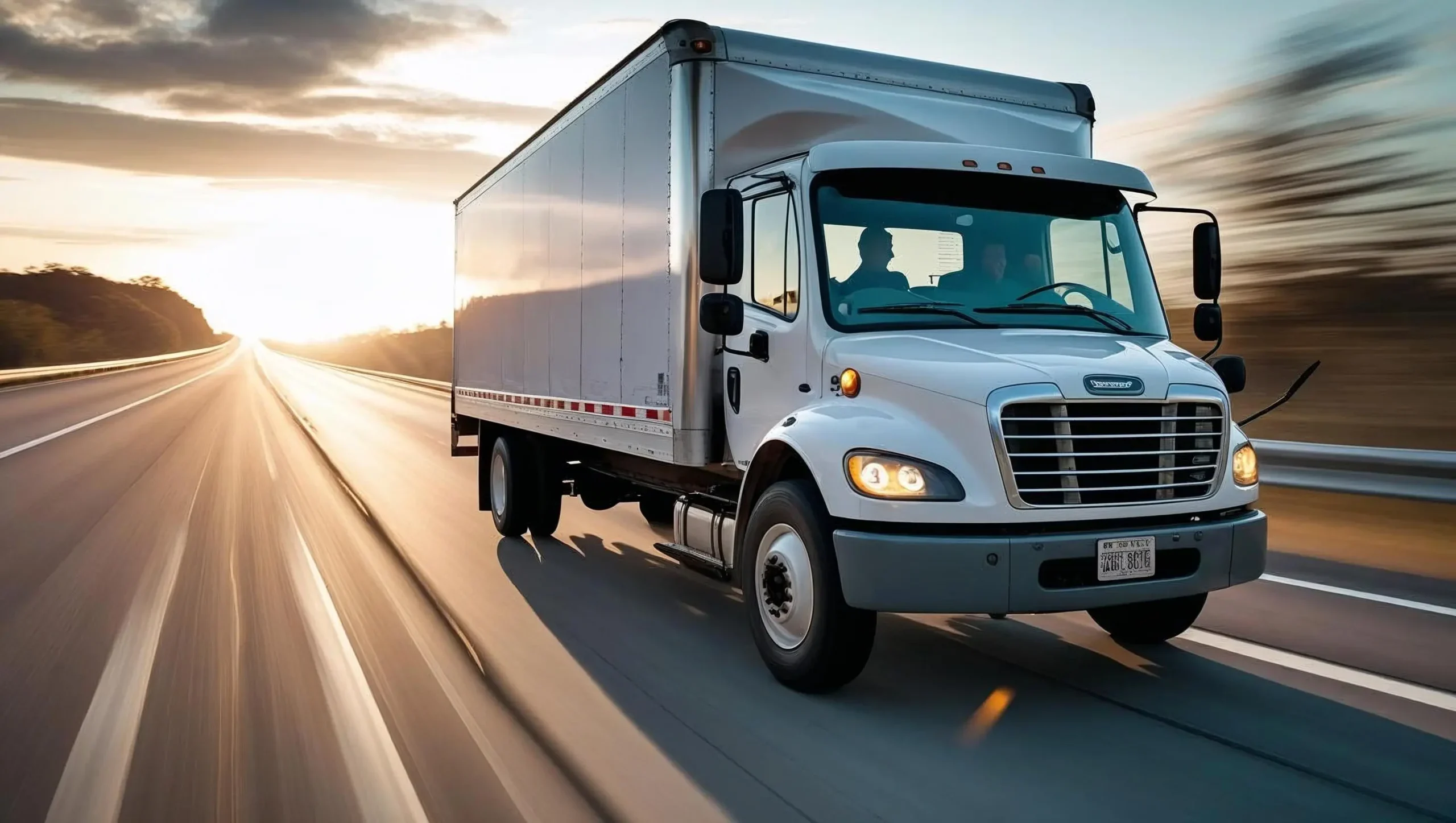
    • Drayage & Domestic Truck Delivery
    • Warehousing and Distribution
    • Purchase Order Management
    • Logistics Consultants
    • Customs Compliance Coaching
  • Resources
    • Payments
    • FAQs
    • Downloads
    • Knowledge Hub
    • Newsletter
  • Contact Us
  • Blog

Type To Search

Get a Quote
  • Home
  • About Us
  • Services
    • Ocean Freight Shipping
    • US Handling Agent
    • Canada Handling Agent
    • Freight Forwarding
    • Customs Clearance
    • Cargo Insurance
    • Drayage & Domestic Truck Delivery
    • Warehousing and Distribution
    • Purchase Order Management
    • Logistics Consultants
    • Customs Compliance Coaching
  • Resources
    • Payments
    • FAQs
    • Downloads
    • Knowledge Hub
    • Newsletter
  • Contact Us
  • Blog
teu global logo dark
  • Home
  • About Us
  • Services
    • Ocean Freight Shipping
    • US Handling Agent
    • Canada Handling Agent
    • Freight Forwarding
    • Customs Clearance
    • Cargo Insurance
    • Drayage & Domestic Truck Delivery
    • Warehousing and Distribution
    • Purchase Order Management
    • Logistics Consultants
    • Customs Compliance Coaching
  • Resources
    • Payments
    • FAQs
    • Downloads
    • Knowledge Hub
    • Newsletter
  • Contact Us
  • Blog
Cargo
HomeArchive by Category "Cargo"

Category: Cargo

Digital procurement and supply chain management concept. Digital procurement process integrated with analytics, logistics, contracts, supply chain management. Business solution, Digital transformation
LogisticsCargoInformational
July 7, 2026 By TEU Global Editorial Team

Purchase Order Management for Importers: The Complete Guide

If you import goods regularly, you already know the real cost of a missed purchase order isn’t the paperwork — it’s the container that leaves without your cargo, the customer order you can’t fulfill, or the warehouse slot that sits empty while a shipment is still stuck at the factory.

Purchase order (PO) management is the discipline that prevents that. Done well, it connects your buying decisions to your shipping schedule so nothing falls through the cracks between “order placed” and “goods received.” Done poorly, it’s the single biggest reason importers deal with stockouts, demurrage charges, and strained supplier relationships.

This guide covers what PO management actually involves, where it breaks down for most importers, and how to build a process that scales as your order volume grows.

What Is Purchase Order Management?

Purchase order management is the process of creating, tracking, and reconciling purchase orders from the moment they’re issued to a supplier through to final delivery and payment. For domestic buying, that’s usually a simple three-step loop: order, receive, pay.

For importers, it’s considerably more layered. A single PO might touch:

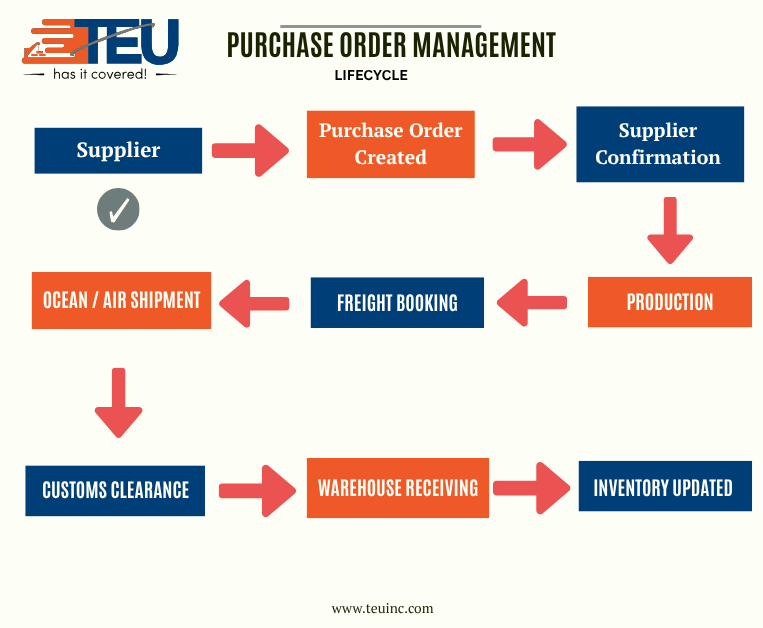
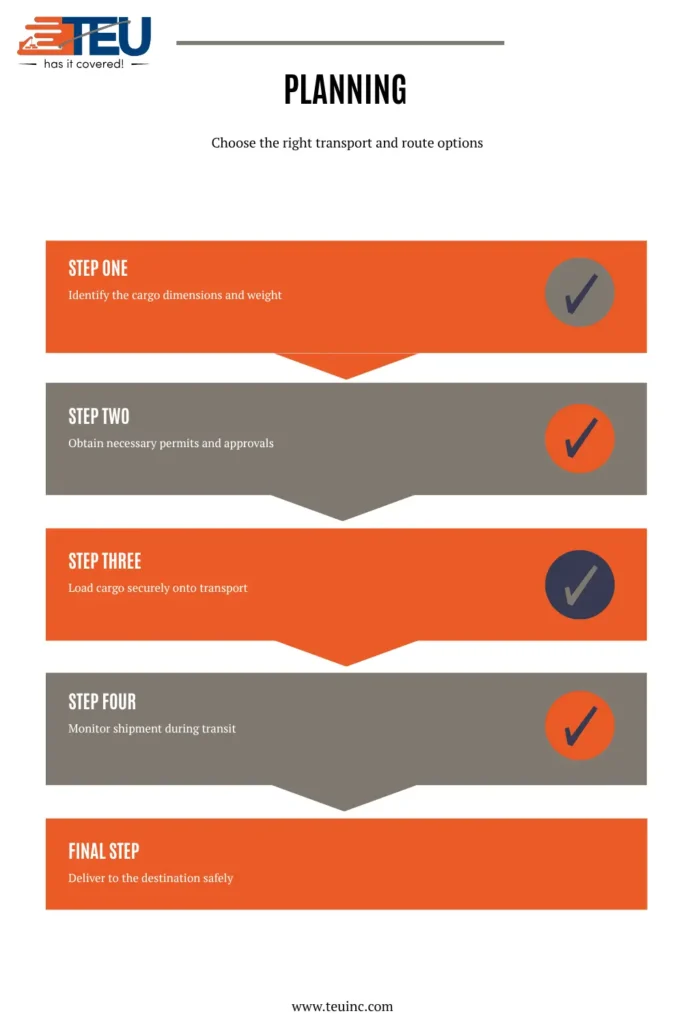
Infographic in Purchase Order Management
  • Supplier confirmation and production timelines
  • Partial shipments or split POs across multiple containers
  • Booking with a freight forwarder for ocean or air transport
  • Customs documentation tied to the specific PO and HTS codes
  • Warehouse receiving against the original order
  • Discrepancy resolution when quantities, SKUs, or costs don’t match

Every one of those steps is a place where a PO can get out of sync with what’s actually happening in your supply chain. Good PO management is really just visibility — knowing at any moment which POs are open, which are in production, which are in transit, and which are late.

Why Purchase Order Management Breaks Down

Most importers don’t lack a process. They lack a connected one. Here’s where it typically falls apart:

Spreadsheets that don’t talk to shipping data. A PO gets created in an ERP or a spreadsheet, but nobody updates it once the goods leave the factory. By the time the container arrives, the PO status is fiction.

Split shipments confuse the record. A single PO ships across two or three containers because of production timing or space constraints. If your system tracks POs as one line item, you lose visibility into which portion has shipped and which hasn’t.

No single owner. Purchasing, freight, and warehousing are often three different teams (or three different people wearing three hats). When a PO changes — a delay, a quantity cut, a substitution — the update doesn’t reliably reach everyone who needs it.

Manual reconciliation at receiving. Warehouse staff receive a shipment and have to manually match it against the original PO, often without full visibility into partial shipments or amendments made in transit.

Each of these is fixable, but only if you treat PO management as a supply chain function, not a back-office data entry task.

Core Elements of a Working PO Management System

A PO management process that actually holds up under real shipping volume needs a few essential parts:

1. A single source of truth

Every PO needs one authoritative record that updates as it moves through production, booking, transit, and customs. Whether that’s an ERP, a TMS, or your freight forwarder’s platform, the key is that everyone touching the order — purchasing, freight, warehouse — is looking at the same status.

2. PO-level tracking, not just shipment-level tracking

Container tracking tells you where a box is. PO tracking tells you which specific order is inside it, what percentage has shipped, and what’s still outstanding. For importers running dozens or hundreds of open POs at once, this distinction is what prevents “we thought that was already in stock” conversations.

3. Built-in exception alerts

The goal isn’t to review every PO manually — it’s to be alerted automatically when something needs attention: a delayed production date, a partial shipment, a customs hold, or a quantity mismatch at receiving.

4. Clear reconciliation at receiving

When goods arrive, receiving staff should be checking against the live PO record, not a printed copy from three weeks ago. Discrepancies (short shipments, damaged goods, wrong SKUs) need a defined process for resolution, not an ad hoc email chain.

5. Reporting that connects PO status to business decisions

Open PO reports should answer real questions: What’s overdue? What’s at risk of missing a sales window? What’s tied up in customs? This is where PO management stops being administrative and starts protecting revenue.

How Freight Forwarders Fit Into PO Management

This is the piece most importers underestimate. Your freight forwarder isn’t just booking space on a vessel — they’re often the only party with visibility into every PO from the moment it leaves the factory floor to the moment it clears customs.

A forwarder that offers real PO management support can:

  • Consolidate multiple POs into a single shipment when it makes sense, and flag when it doesn’t
  • Track partial shipments against the original PO so nothing gets “lost” between containers
  • Flag customs documentation issues tied to a specific PO before they cause a hold
  • Coordinate with your warehouse or distribution point so receiving matches what’s actually arriving

This is why PO management is worth asking about when you’re vetting a freight forwarder or 3PL partner, alongside the usual questions about rates and transit times. A forwarder who treats your POs as line items in a spreadsheet is not the same as one who treats them as the backbone of your supply chain visibility.

Common Mistakes to Avoid

  • Waiting until receiving to catch problems. By the time goods are on the dock, it’s too late to fix a production delay or a documentation gap. Catch issues at the booking and customs stage instead.
  • Treating every PO the same way. High-value or time-sensitive POs (holiday inventory, contractual delivery windows) need tighter tracking than routine restocks.
  • No documented process for amendments. Quantities and dates change. If there’s no clear way to log and communicate a change, the original PO becomes unreliable the moment it’s amended.
  • Disconnected systems across departments. If purchasing, freight, and warehousing each keep their own version of “what’s happening,” none of them are actually accurate.

Building a PO Management Process That Scales

If you’re outgrowing spreadsheets, start with these steps:

  1. Map your current PO lifecycle. Write down every step a PO goes through today, from creation to final receiving, and who owns each step.
  2. Identify where visibility breaks. Usually it’s the handoff points — supplier to forwarder, forwarder to customs, customs to warehouse.
  3. Centralize tracking at those handoff points first. You don’t need to overhaul everything at once. Fixing the weakest link often solves most of the problem.
  4. Loop in your freight forwarder early. If they’re already tracking your shipments, ask what PO-level visibility they can offer before you invest in a separate system.
  5. Set exception thresholds. Decide what counts as “needs attention” — a delay past X days, a shipment under X% of ordered quantity — so your team isn’t manually reviewing every open PO.

The Bottom Line

Purchase order management isn’t a back-office task — it’s the connective tissue between what you bought and what actually shows up. Importers who treat it as an afterthought end up reacting to problems at the dock or the warehouse door. Importers who build real visibility into the process catch those same problems weeks earlier, when they’re still cheap and easy to fix.

If you’re evaluating how your freight forwarder or 3PL partner supports PO visibility, that’s a conversation worth having before your next peak season, not during it.

How TEU Global Can Help

At TEU Global, PO management isn’t an afterthought bolted onto freight booking — it’s built into how we track every shipment, from the moment your supplier confirms production through customs clearance and final delivery to your warehouse.

  • Request a Quote — Get PO-level visibility built into your next shipment, whether it’s ocean freight, air freight, or a multi-container split order.
  • Talk to a Logistics Specialist — Ask us how we track your open POs against production timelines, transit, and customs status in real time.
  • Explore Our Services — See how PO management works alongside our ocean freight, customs clearance, and warehousing & distribution solutions.

Don’t wait until peak season to find out your PO tracking has gaps. Contact TEU Global today and see what full supply chain visibility actually looks like.

FAQ’s

Why is purchase order management important?

It helps importers improve supply chain visibility, reduce delays, prevent stockouts, and ensure orders are delivered accurately and on time.

What is the difference between PO tracking and shipment tracking?

PO tracking monitors individual purchase orders, while shipment tracking shows the location and status of the freight carrying those orders.

Can a purchase order be split across multiple shipments?

Yes. Import purchase orders are often divided across multiple containers or shipments due to production schedules or space availability. Effective PO management keeps every shipment linked to the original order.

How can a freight forwarder support purchase order management?

A freight forwarder helps track purchase orders, coordinate shipments, manage customs documentation, and improve visibility from production to final delivery.

What are the benefits of purchase order management?

Effective purchase order management improves inventory planning, reduces supply chain disruptions, enhances supplier communication, and gives businesses better control over international shipments.

READ MORE
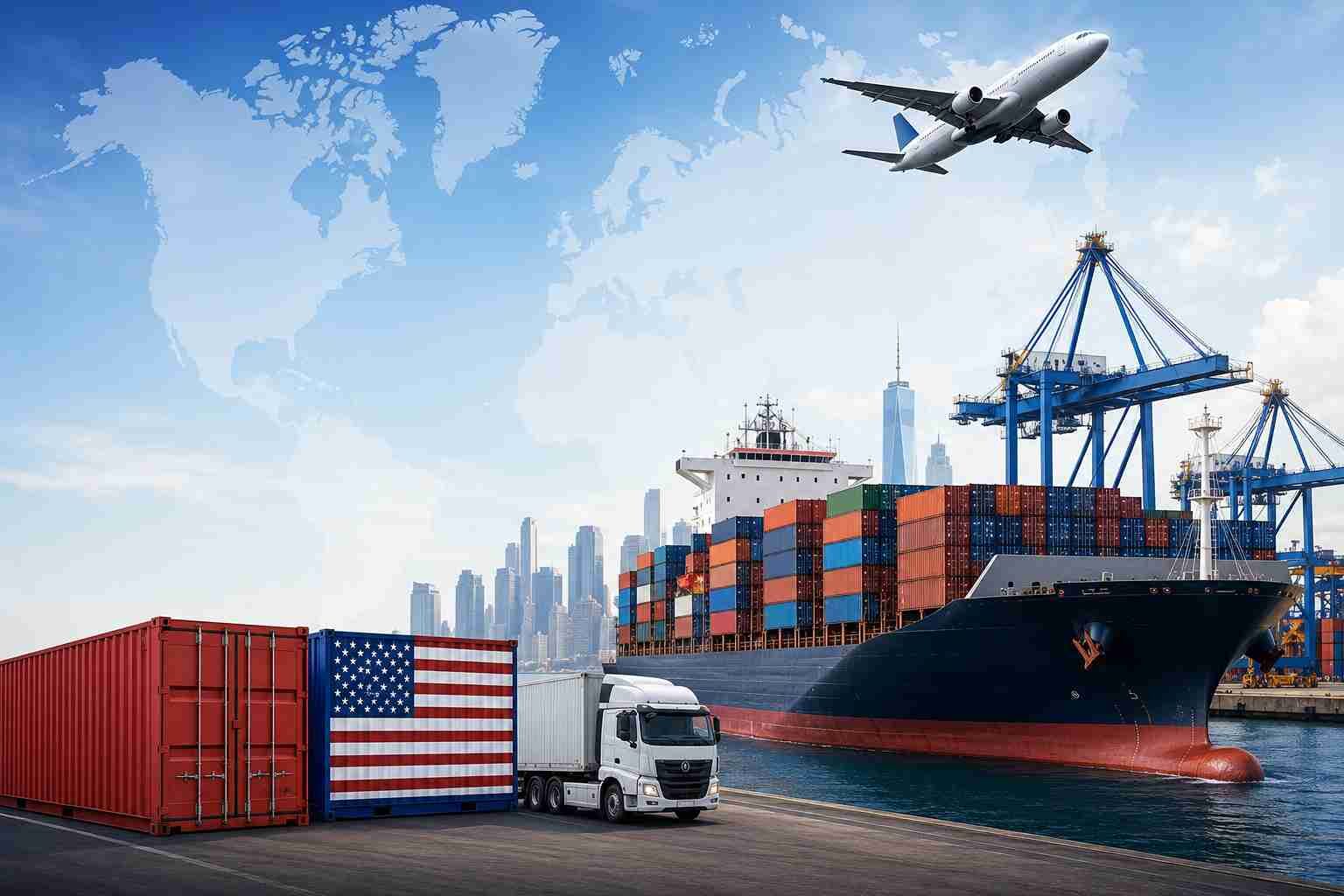
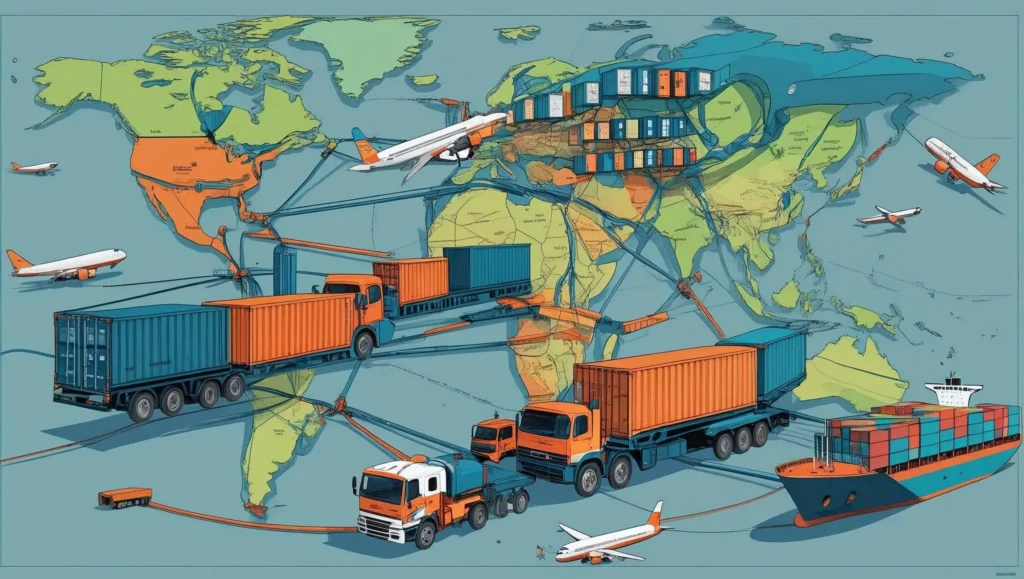
Shipping from China to USA featuring container ship, cargo containers, freight truck, and aircraft transporting goods through an international logistics network.
LogisticsCargo
June 23, 2026 By TEU Global Editorial Team

Shipping From China to USA: Complete Import Guide for Costs, Transit Times & Customs (2026)

Introduction

Shipping from China to USA is one of the most important global trade routes for importers. Every year, thousands of businesses depend on this corridor to source products at competitive prices and scale their operations.

However, successful international shipping requires understanding freight costs, customs regulations, transit times, and logistics risks. Without proper planning, importers often face delays, hidden charges, and compliance issues.

In this guide, we break down everything you need to know so you can make smarter logistics decisions and reduce import costs.

Why Businesses Import From China

China remains the world’s manufacturing hub, making shipping from China to USA a critical supply chain route.

Key reasons include:

  • Cost-effective manufacturing
  • Large-scale production capabilities
  • Wide product variety
  • Established export systems

Many importers work with a freight forwarder China to USA to handle documentation, coordination, and shipping management.

Shipping Methods From China to USA

The method you choose for shipping from China to USA directly impacts cost, speed, and reliability.

Ocean Freight

Ocean shipping is the most cost-efficient method for bulk cargo.

A major factor influencing rates is ocean freight from China to USA, which varies depending on season, fuel prices, and port congestion.

Air Freight

Air shipping is faster and used for urgent cargo.

Businesses choosing air freight from China to USA benefit from reduced transit time but higher costs. TEU Global handles everything with a single operational system-your cargo lands clears, moves into one of our facilities, and gets delivered without hopping across different vendors.

Explore our services.

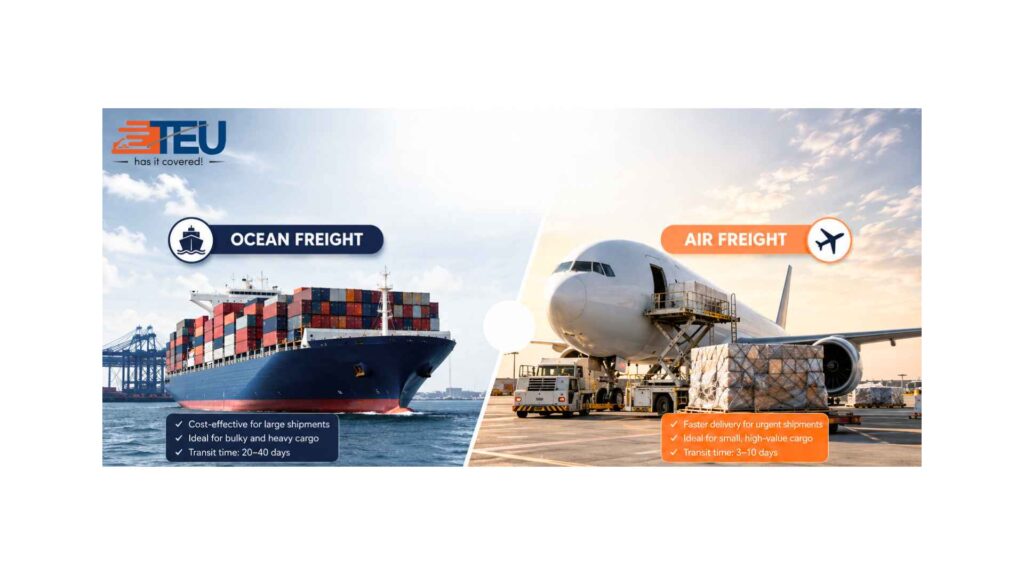
Ocean Freight vs Air Freight Shipping Services – Cargo Ship and Airplane Logistics Comparison

Cost Structure of Shipping From China to USA

Understanding total costs is essential for profitable importing and international trade operations.

Main cost components include:

  • Freight charges
  • Customs duties
  • Port fees
  • Insurance
  • Inland transport

One of the most important metrics is China to USA shipping cost, which varies depending on cargo type and shipping method.

Transit Time for Shipping From China to USA

Transit time for shipping from China to USA depends on transportation mode:

  • Ocean freight: 20–40 days
  • Air freight: 3–10 days

Delays can occur due to customs inspections, weather conditions, or port congestion.

Customs Clearance Process

Customs is one of the most critical parts of shipping from China to USA.

Official customs guidance can be found at:
 https://www.cbp.gov

Importers must provide:

  • Commercial invoice
  • Packing list
  • Bill of lading

Working with experts in customs clearance USA helps avoid delays, penalties, and shipment holds.

Import Duties, Taxes & Incoterms

Import costs are highly dependent on trade rules in shipping from China to USA.

Incoterms define responsibility between buyer and seller. Learn more at:
https://www.iccwbo.org

Proper classification and documentation help reduce risk and ensure compliance.

Cargo Insurance for Shipping From China to USA

Cargo protection is essential for international freight movements. 

Insurance covers:

  • Damage in transit
  • Loss of goods
  • Accidents and delays

Without insurance, importers rely only on limited carrier liability.

Common Challenges in Shipping From China to USA

Importers face several challenges during international freight operations between China and the United States: 

  • Customs delays
  • Incorrect documentation
  • Port congestion
  • Seasonal disruptions
  • Container shortages

How to Reduce Costs in Shipping From China to USA

To reduce international freight expenses, businesses should: 

  • Optimize packaging
  • Use correct Incoterms
  • Consolidate shipments
  • Work with experienced logistics partners

Why TEU Global Logistics

TEU Global simplifies shipping from China to USA with end-to-end logistics support including:

  • Freight forwarding
  • Customs clearance
  • Cargo insurance
  • Supply chain management

Conclusion

Efficient shipping from China to USA requires careful planning across freight, customs, insurance, and logistics coordination.

With the right strategy, importers can reduce costs, avoid delays, and improve supply chain efficiency.

If you are planning shipping from China to USA, TEU Global can manage your entire logistics process including freight forwarding, customs clearance, and cargo insurance. Contact us today to optimize your next shipment.

FAQs

How much does shipping from China to USA cost?

Costs vary based on shipment size, weight, and shipping method.

What is the difference between FCL and LCL?

FCL uses a full container, while LCL shares container space with other shipments.

Do I need cargo insurance?

Yes, cargo insurance helps protect against loss or damage during transit.

What are Incoterms?

Incoterms define the responsibilities of buyers and sellers during shipping.

What is customs clearance?

It is the process of getting goods approved by customs before delivery.

Why use a freight forwarder?

A freight forwarder manages shipping, documentation, and customs to simplify the import process.

READ MORE
AdobeStock_542108866
Cargo
December 10, 2025 By TEU Global Editorial Team

Why Importers Are Choosing TEU Global for Faster, Smarter Air Freight & Distribution—7 Real-World Reasons

If you work in international shipping, you already know that Air Freight has changed dramatically over the last few years. Faster transit times matter more than ever, and importers across the U.S. and Canada are looking for ways to make their supply chains more predictable. Many companies that once relied on a mix of vendors—one for Air Freight, another for warehousing, a third for final delivery—are now shifting toward a simpler, all-in-one model.

At TEU Global, we’ve seen this change up close. Importers are tired of juggling multiple points of contact, repeatedly explaining their requirements to different teams, and losing time every time a shipment gets stuck between vendors. This is exactly why more businesses now choose TEU Global to handle their Air Freight, storage, fulfillment, and last-mile delivery under one coordinated flow.

If you’ve watched our recent YouTube video on this topic, you probably noticed one thing: importers aren’t just looking for speed—they’re looking for control.

Here are seven practical reasons why companies are trusting TEU Global for Air Freight and end-to-end distribution.

1. Air Freight and Distribution Under One Roof

One of the biggest frustrations importers faces is managing separate vendors for Air Freight, warehousing, and local delivery. Whenever one party drops the ball, everything slows down.

TEU Global handles everything with a single operational system—your cargo lands clears, moves into one of our facilities, and gets delivered without hopping across different vendors.

Explore our services.

2. Faster Turnarounds After Cargo Lands

Air Freight is only truly “fast” if the ground handling is fast too. Some freight arrives on time but sits for days because the warehouse is delayed or the trucking partner doesn’t have capacity.

With TEU Global, cargo intake, processing, and outbound delivery all move within the same workflow. That means fewer idle hours and smoother planning.

Air Freight Cargo

Explore our Warehousing and Distribution Services.

3. Real-Time Visibility Without Extra Apps

Air Freight shipments are time-sensitive, so every importer wants real-time updates. But nobody wants another complicated app or password to manage.

TEU Global provides clean, straightforward tracking and live updates without making you jump across multiple dashboards.

It’s visibility without the headache.

4. Lower Total Costs Despite Using Air Freight

Air Freight itself is premium—but the surrounding costs don’t need to be. When importers split their supply chain across different vendors, they often end up paying more in:

  • Storage fees
  • Handling charges
  • Multiple trucking movements
  • Coordination delays

By integrating Air Freight with downstream distribution under TEU Global, many unnecessary expenses simply disappear.

5. Fewer Delays, Clearer Accountability

Anyone who imports by air knows how quickly things can go wrong when too many parties are involved: missed pickups, lost paperwork, late dispatches, or poor coordination.

TEU Global reduces these risks by keeping everything under one operational structure. Instead of three companies pointing fingers, you get one team that takes responsibility for the outcome.

6. Custom Programs for Retail Deliveries, DDP, and Express Handling

Air Freight often supports urgent restocks, retail orders, and customer-specific programs. These shipments usually come with tight deadlines or strict compliance rules.

TEU Global creates custom delivery programs for:

  • Retail distribution centers
  • DDP and DAP setups
  • Urgent B2B replenishments
  • High-value Air Freight cargo
  • Temperature-sensitive or fragile shipments

Because our team manages the cargo flow end-to-end, we can adjust quickly to your business cycles.

7. A Logistics Partner Who Understands Your Why

Honestly, Air Freight is not just about “fast shipping.” It’s about protecting your inventory cycle, avoiding stockouts, supporting marketing launches, and maintaining your customer promises.

That’s why TEU Global assigns a dedicated team that learns the rhythm of your business, your peak seasons, your release schedules, your warehouse constraints, and what matters most to your customers.

It’s a partnership, not a vendor relationship.

Here are two helpful external references for readers who want broader industry knowledge:

  • TSA Air Cargo Programs
  • U.S. DOT Freight Overview

Thinking About Streamlining Your Air Freight Operations?

If your Air Freight shipments feel too scattered or if delays happen simply because too many teams are involved TEU Global can help you simplify the entire workflow from the airport to the final customer.

You can also watch our related video on YouTube, where we explain how Air Freight integrates into our distribution model at TEU Global.

Whenever you’re ready to make your Air Freight flow smoother and more predictable, our team is right here to help you out.

READ MORE
intermodal transportation
LogisticsCargo
August 7, 2025 By TEU Global Editorial Team

Intermodal Transportation: Why More Businesses Are Choosing It in 2025

Let’s face it moving freight across the country isn’t what it used to be. Between rising fuel prices, driver shortages, and the pressure to lower carbon emissions, businesses are rethinking the way they ship goods. And that’s where Intermodal Transportation comes into play.

You might’ve heard the term thrown around in logistics meetings or supply chain webinars. But what does it actually mean? And more importantly, is it worth considering for your business?

Let’s break it down. Even if you are not too much into logistics, after reading this blog, you will get to know about Intermodal Transportation.

So, What Is Intermodal Transportation?

At its core, Intermodal Transportation just means moving freight using more than one type of transport like trucks, trains, and ships but keeping the cargo in the same container the whole way.

For Example: A container full of electronics leaves a warehouse in Chicago, gets loaded onto a train headed west, and finally hops onto a truck that delivers it to a tech store in Los Angeles. No one opens the container along the way it just gets transferred from one mode of transport to another.

Why is that such a big deal? Because it reduces handling, cuts down on delays, and lowers the chance of damage or theft.

Why It’s Gaining So Much Popularity

Intermodal has been around for a while, but in recent years especially in North America it’s become a go-to choice for smart shippers. Here’s why:

1. Cost Savings That Add Up

Trucks are great for shorter routes, but when it comes to moving freight over long distances say 500 miles or more rail is significantly cheaper. Trains can carry more at once, use less fuel, and avoid tolls and congestion. According to the EPA, rail can move one ton of freight over 470 miles on a single gallon of fuel. That’s hard to beat.

2. A Win for the Environment

Companies are under growing pressure to reduce their carbon footprints both from customers and regulators. Intermodal helps with that. Since trains emit fewer greenhouse gases than trucks, combining both modes can drastically shrink your environmental impact.

3. More Security, Less Hassle

Keeping freight sealed in the same container from start to finish means there are fewer opportunities for things to go wrong. Less handling = less damage and lower risk of theft.

4. Scalability That Makes Sense

Whether you’re shipping ten containers a month or a thousand, intermodal can grow with your needs. That’s one reason large retailers and manufacturers rely on it heavily for their long-haul freight.

When Does Intermodal Transportation Work Best?

Let’s be real intermodal isn’t perfect for every shipment. But under the right conditions, it’s a no-brainer.

Here’s when it shines:

  • Your freight is going 500+ miles.
  • You don’t need next-day delivery.
  • Your pickup and drop-off points are near major rail terminals or ports.
  • You’re shipping regular volumes weekly or monthly lanes are ideal.

So, if you’re sending apparel from a distribution center in Toronto to retailers across California, intermodal might just be your most cost-effective and reliable bet.

A Real Example: From Toronto to San Diego

Let’s take a real-world shipping route Toronto to LA and see how Intermodal Transportation would work in that case:

  1. First Part (Truck)
    A container is loaded at a facility in Toronto, then trucked to a nearby rail terminal.
  2. Main Haul (Rail)
    It travels by train from Toronto, through Chicago, and all the way to a terminal in Los Angeles. Rail lines like Canadian National or CPKC handle these cross-border routes with ease.
  3. Final Stretch (Truck)
    Once it hits LA, a local trucking partner picks up the container and delivers it to the final stop say, a fulfillment center in San Diego.

And the best part? No one ever opens the container along the way. Fewer hands on your product means fewer things can go wrong.

Let’s Talk Benefits Again, but Real Talk

trucks at intermodal transportation
What You GetWhy It Matters
Lower Shipping CostsRail is cheaper over long hauls period.
Fewer DelaysTrains aren’t stuck in traffic like trucks are.
Eco-Friendly ShippingHelps you meet green goals (and brag about it).
Safer ShipmentsSealed containers mean less risk of theft/damage.
Room to GrowEasily scale operations as your business expands.

Not All Sunshine and Rainbows: The Downsides

Of course, intermodal isn’t without a few quirks:

  • It’s Not Super Fast
    If you’re used to Expedited Shipping, Intermodal Transportation might feel a little slow. You need to plan ahead and allow some buffer time.
  • Terminal Access Can Be Tricky
    If you’re based far from a rail hub or port, first/last mile transport can eat your savings.
  • Coordination Is Key
    Managing multiple carriers, schedules, and handoffs can get complex. That’s why many shippers partner with us to simplify the process.

Who Should Be Looking at Intermodal Transportation?

If you’re in retail, manufacturing, automotive, agriculture, or consumer goods, and your shipments are moving across multiple states or provinces it’s worth considering.

Especially if you:

  • Ship to/from major cities like Dallas, Toronto, Vancouver, Chicago, or Atlanta.
  • Care about cost savings and sustainability.
  • Are expanding to cross-border U.S.-Canada routes.

Getting Started with Intermodal Transportation (Without the Headache)

If you’re new to this, here are a few tips:

  • Know Your Routes: Check if your origin/destination has nearby rail terminals.
  • Use Standard Containers: Stick with 20ft or 40ft containers that are intermodal-ready.
  • Don’t Go It Alone: Work with a 3PL that understands intermodal operations. A reliable partner like us can handle booking, tracking, and delivery for you.

Also, it helps to track your freight in real-time. Delays can happen, but you should always know where your shipment is.

Final Thoughts

If your logistics strategy hasn’t changed in the last 5 years, it’s probably due for an upgrade. With today’s challenges from labor shortages to cost pressures and sustainability demands Intermodal Transportation just makes sense.

It’s not about replacing trucks. It’s about using the best of each mode truck, train, or ship in a smarter way. Intermodal helps you move freight efficiently, affordably, and with less stress.

If you’re curious how it might work for your business, reach out to our Logistics Consultants. At TEU Global, we’ll walk you through the options, customize a plan that fits your needs, and help you ship smarter in 2025 and beyond.

READ MORE
Expedited shipment the image should be based on reality
CargoInformationalLogistics
July 25, 2025 By TEU Global Editorial Team

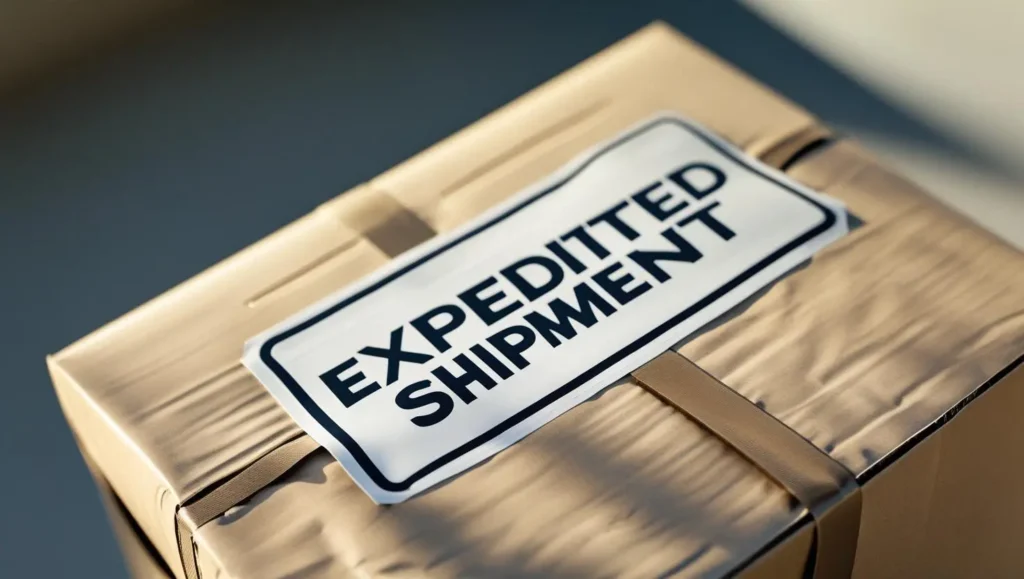
Expedited Shipping: A Real-Time Lifesaver in Modern Logistics

What Exactly Is Expedited Shipping?

In simple terms, expedited shipping gets your package delivered faster than standard shipping. But it’s more than just a speed boost. It involves priority handling, limited stops, and faster transportation methods; think express trucks or air freight instead of ground.

Carriers treat these shipments differently from the start. They’re scanned, processed, and moved quickly through hubs, with fewer delays and more attention to timing. And most of the time, you’ll get real-time tracking so you can keep an eye on your shipment every step of the way.

Why So Many Businesses Rely on Expedited Shipping

Imagine you run a small electronics store, and a customer places a rush order for a replacement part to fix a piece of medical equipment. If you ship it standard, they may have to wait five or six days’ time they simply don’t have. Expedited Freight Forwarding Services, like the ones we offer at TEU Global, step in to make sure that doesn’t happen.

Here are a few everyday scenarios where expedited delivery makes a real difference:

  • A restaurant runs out of a key ingredient days before a big event.
  • A construction site halts because a key machine part is missing.
  • A fashion boutique needs new stock delivered in time for a weekend sale.

In short, expedited shipping is used when “soon” just isn’t soon enough.

How Expedited Shipping Actually Works

Here’s what usually happens behind the scenes: once your order is placed and marked for expedited service, it’s pulled from inventory quickly, packed, and handed off to a carrier with express routing. Many logistics companies, including us at TEU, work closely with air cargo lines or dedicated express trucks that skip non-essential stops.

Unlike standard shipping, which may bounce between hubs, expedited shipments are routed for efficiency. It’s all about getting from A to B with as few touchpoints as possible.

Benefits Beyond Just Speed

Yes, speed is the headliner, but there’s more to know about expedited shipping:

  • Fewer delays and less risk: Since the shipment skips many standard processing points, there are fewer chances of delays.
  • Better handling: High-priority shipments tend to be treated more carefully.
  • Transparency: Real-time tracking updates help customers (and businesses) stay informed.
  • Customer satisfaction: Delivering faster can lead to repeated business and better reviews.

These benefits often make the extra cost worthwhile, especially in time sensitive situations.

Standard vs. Expedited Shipping: What’s the Difference?

Here’s a side-by-side look:

FeatureExpedited ShippingStandard Shipping
Delivery Time1–3 Days3–7 Days
CostHigherLower
TrackingReal-TimeBasic or Delayed
HandlingPriorityGeneral
Best ForUrgent or high-value deliveriesRoutine orders

While standard shipping works just fine for many orders, expedited shipping is the better choice when timing truly matters.

Types of Expedited Services

Depending on the courier and your needs, you’ll typically find these options:

  • Same-Day Delivery: Only available in limited areas but perfect for emergencies.
  • Next-Day Shipping: Often used for eCommerce and business-critical deliveries.
  • Two-Day Shipping: A good balance of cost and speed, popular with online retailers.
  • Time-Specific Delivery: Services that guarantee delivery by a specific time, like “by 10 AM tomorrow.”
Expedited Shipment

What It Costs (And Why It’s Worth It)

Naturally, expedited shipping will cost more. The exact price depends on a few factors:

  • How far the package is traveling
  • Weight and dimensions
  • Speed selected (overnight costs more than two-day)
  • Carrier and shipping agreements

For businesses that ship in volume, it’s possible to negotiate lower rates or bundle services to save on costs.

While it may seem pricey up front, the potential cost of a missed opportunity, lost sale, or disrupted supply chain can be even higher.

How to Make Expedited Shipping Work for You

If you’re an online retailer or business owner, here’s how to incorporate expedited shipping smartly:

  • Set expectations clearly: Let customers know when cut-off times are.
  • Use fulfillment centers close to major regions.
  • Offer it as an upgrade, not default.
  • Only use expedited when needed; it saves money.
  • Track performance and adjust shipping zones if necessary.

The key is to offer it when it adds value, not just for the sake of it.

When You Probably Don’t Need It

If your product isn’t urgent, or if customers are fine waiting a few extra days, then stick with standard shipping. It’s more economical and often more sustainable, especially for lower-margin goods.

But if you’re shipping medical supplies, replacement parts, perishables, or high-stakes orders, expedited shipping is often the best (or only) way to go.

Final Word: Should You Use Expedited Shipment?

If you’re on the fence, ask yourself, what’s the cost of being late?

Sometimes it’s just an inconvenience. Other times, it could mean lost sales, disappointed customers, or missed opportunities. Expedited shipping is a tool, and when used at the right time, it delivers more than just a package. It delivers confidence, reliability, and peace of mind.

FAQs: Let’s Wrap Up With a Few Quick Answers

1. Is expedited shipping always guaranteed?
Most providers offer delivery windows, but unforeseen events (like weather or customs delays) can still impact timing.

2. Is expedited shipping worth it for small businesses?
Yes, especially if fast delivery is part of your value proposition or customer expectations.

3. Can I offer expedited options on my site?
Absolutely. You can integrate it easily into your checkout system and let the customer decide.

4. How do I keep costs under control?
Negotiate with carriers, reduce packaging size, and only offer it for the right products.

READ MORE
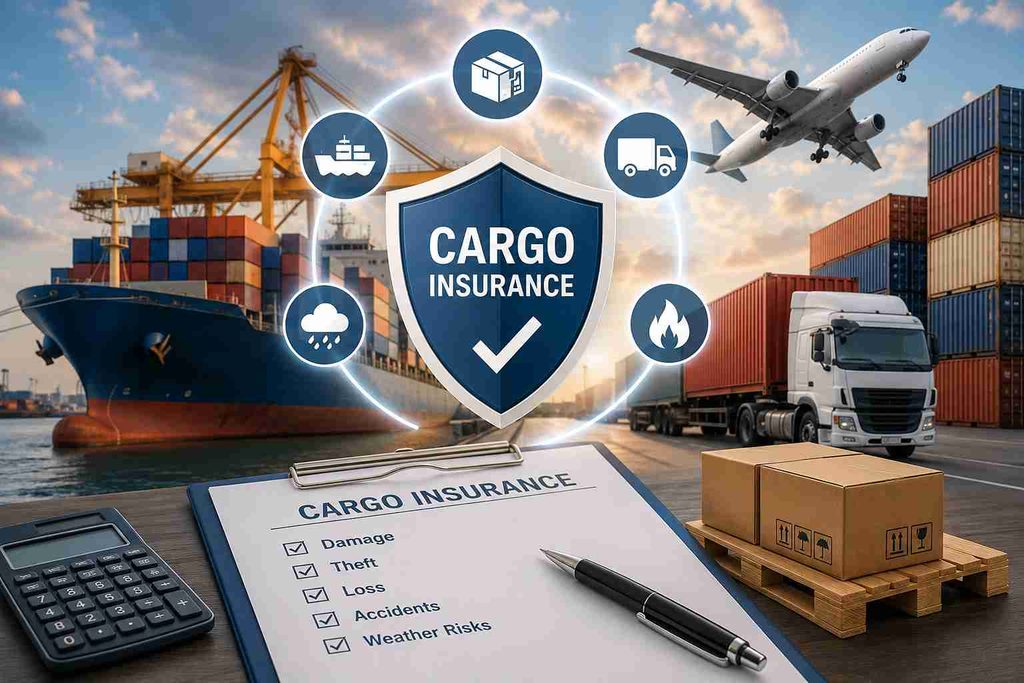
cargo insurance
Cargo
July 18, 2025 By TEU Global Editorial Team

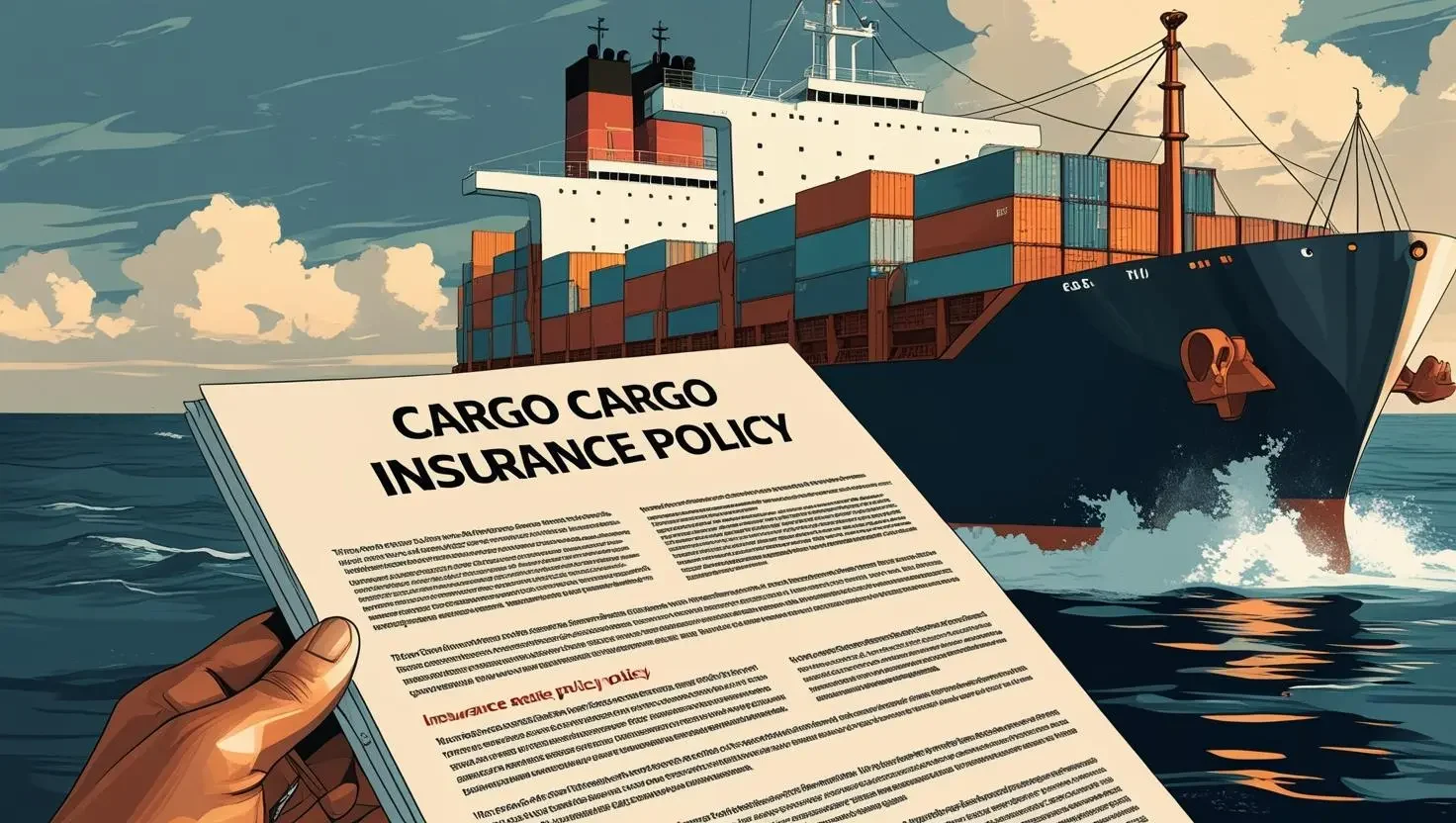
Cargo Insurance: Everything You Need to Know In 2025

Introduction to Cargo Insurance

Ever worried about your shipment disappearing mid-transit? You’re not alone. Every year, billions of dollars’ worth of cargo are lost, stolen, or damaged during transit. That’s where cargo insurance steps in. It’s not just a backup plan it’s a safety net for your entire supply chain.

Why Cargo Insurance Is Essential in Logistics

It isn’t a luxury it’s a necessity. Shipping delays, piracy, container damage, and port mishandling aren’t just rare events; they’re part of the daily grind in global logistics.

The Rising Risk of Uninsured Freight

With global shipping volume on the rise, so are claims of cargo damage and loss. Not insuring your cargo is like driving a Ferrari without car insurance it might run fine, but one bad turn and it’s game over.

What Is Cargo Insurance?

Basic Definition and Purpose

Cargo insurance is a policy that reimburses shippers and cargo owners for losses or damage to goods in transit whether by land, air, or sea.

How It Works in Practice

Say you’re shipping electronics from China to the U.S., and they get water-damaged during rough sea conditions. If insured, your provider compensates you based on the coverage amount.

cargo insurance in shipping

Types of Insurance

Land Cargo Insurance

Covers goods moving over land, think trucks and trains. Ideal for domestic transport.

Domestic Shipments

Most commonly used by businesses shipping goods within the same country, especially via road or rail.

Marine Cargo Insurance

Protects goods being shipped internationally via ocean or air.

International Shipping

Perfect for import/export businesses, marine insurance covers everything from weather damage to vessel capsizing.

Open vs. Specific Policy

When to Choose Open Policy

If you’re shipping regularly, an open policy covers multiple shipments over time.

Best Use for Specific Policies

One-time shippers might benefit more from specific or “voyage” policies.

Coverage Options

All-Risk Coverage

As the name suggests, it covers almost everything except exclusions stated clearly in the policy.

Named Perils Policy

Covers only what’s specifically mentioned, like fire, theft, or collision.

General Average Coverage

In the case of a shared loss, like jettisoning cargo to save a ship, every cargo owner shares the cost even if your shipment wasn’t harmed.

What’s Typically Covered and What’s Not

Common Inclusions

  • Theft
  • Damage due to rough handling
  • Weather-related damage
  • Collision losses

Typical Exclusions

War and Riots

Usually not covered unless added via a special rider.

Improper Packaging

If your shipment wasn’t packed correctly, the insurer can deny your claim.

Customs Rejections

Goods denied entry due to non-compliance are often not covered.

Who Needs Cargo Insurance?

Shippers and Exporters

If you’re sending high-value items, cargo insurance is a no-brainer.

Freight Forwarders

They often recommend or include Cargo Insurance Services.

E-commerce Sellers

Dropshipping from international suppliers? You’ll want coverage to keep customers happy and protected.

Legal and Regulatory Aspects

International Laws

Most insurance complies with Incoterms and international maritime law.

Carrier Liability vs. Cargo Insurance

Carriers may offer limited liability, but it usually doesn’t cover the full value of your goods.

Key Benefits of Cargo Insurance

Financial Protection

Avoid crippling losses from unforeseen events.

Peace of Mind

Ship confidently knowing your investments are protected.

Risk Mitigation

Makes your supply chain more resilient and less vulnerable to disruptions.

How to Choose the Right Cargo Insurance

Evaluating Cargo Type and Value

Perishable, fragile, or high-value? The type of cargo dictates the policy type you need.

Reviewing Policy Terms

Read the fine print really. What’s excluded can hurt you more than what’s included.

Working with a Freight Forwarder or Broker

Professionals can guide you to the best-fit policy and help negotiate better terms.

Steps to File a Cargo Insurance Claim

Documentation Needed

  • Bill of Lading
  • Commercial Invoice
  • Damage Photos
  • Claim Form

Time Frame and Process

Notify your insurer ASAP usually within 7-14 days. Delays can void claims.

Common Mistakes to Avoid

Underinsuring Your Goods

Trying to save money? Cutting corners here can cost you a fortune.

Ignoring Exclusions

Don’t assume you’re covered for everything read the list.

Not Reading the Fine Print

Those clauses can be deal-breakers. Know your policy.

Real-Life Scenarios: Why Cargo Insurance Matters

Case Study 1: Lost at Sea

A container fell overboard during a storm; the insured party got full compensation.

Case Study 2: Damage During Transit

Fragile goods cracked during rough road transit. Insurance saved the business thousands.

Case Study 3: Theft at Port

Goods were stolen while awaiting customs clearance covered under marine policy.

The Cost of Cargo Insurance

Factors That Influence Cost

  • Value of goods
  • Mode of transport
  • Destination risk
  • Type of coverage

Cost vs. Value Analysis

Think of it like a seatbelt it doesn’t cost much, but it can save everything.

Tips to Lower Cargo Insurance Premiums

Package Wisely

Better packaging equals lower risk and premiums.

Use Reliable Carriers

High-rated shippers reduce risk of damage or theft.

Consider Bundled Policies

Bundle with liability or marine insurance for discounts.

Conclusion

Cargo insurance isn’t just paperwork it’s peace of mind in a volatile world. With so many risks in transit, having proper coverage ensures your goods (and your business) stay protected. Whether you’re shipping across states or across continents, it is a smart investment in your success.

FAQs

Q1: Is cargo insurance mandatory?
No, but it’s highly recommended for high-value or international shipments.

Q2: Can I get cargo insurance for air shipments?
Absolutely! Air insurance is widely available.

Q3: Does cargo insurance cover delays?
Generally, no unless specified. You’d need a delay-specific rider.

Q4: How much does cargo insurance usually cost?
Typically 0.5% to 2% of the cargo’s value, depending on risks and coverage.

Q5: Can I buy cargo insurance online?
Yes! Many insurers and freight forwarders offer quick online quotes and purchases.

READ MORE
Freight Forwarding
CargoInformationalLogistics
July 15, 2025 By TEU Global Editorial Team

What is Freight Forwarding? A Complete Guide (2025)

So… What Is Freight Forwarding Really?

Okay, let’s keep it real. You’ve got stuff sitting in one country, and it needs to get to another whether it’s a bunch of iPhones, crates of coffee beans, or handmade pottery. But you don’t know the first thing about customs forms, cargo routes, or international taxes. That’s when you call in the pros: freight forwarders.

Freight forwarding is just a fancy term for getting your goods from point A to point B, especially when A and B are in totally different parts of the world. But it’s not just about transportation. It’s about planning the route, handling the paperwork, making sure everything gets through customs, and yeah making sure nothing gets lost halfway across the ocean.

A Quick Flashback: Where Did Freight Forwarding Come From?

You might think it’s some new age business service born out of global eCommerce but nope. The idea has been around for more than a century. Back in the day, freight forwarders helped people move cargo by train or ship across Europe. Fast forward to 2025, and we’ve now got digital dashboards, AI-driven tracking, and global networks. Same job, just done faster (and with fewer paper cuts).

What Do Freight Forwarders Actually Do?

Let’s break this down:

  • They organize your shipment – Think of them as the wedding planners of the shipping world. You tell them what you need moved, and they’ll figure out the best way to do it.
  • They talk to customs for you – Don’t know what a commercial invoice is or how to pay import duties in Belgium? No problem. They do.
  • They handle surprises – Port strike? Weather delay? Missing box? A good freight forwarder doesn’t panicv they fix things.
  • They keep you in the loop – You’ll get updates. Not the kind where you refresh tracking 20 times and get “In Transit” every time. Real updates.

The Four Types of Freight Forwarding (And When You Should Use Them)

Types of Freight Forwarding
  1. Air Freight – Super fast, super pricey. Great for electronics or anything that needs to move yesterday.
  2. Sea Freight – Slower but way cheaper. Ideal for bulk goods or when time isn’t a big deal.
  3. Rail Freight – Works best within large land areas (Europe, China). Cheaper than air, faster than sea.
  4. Road Freight – The go-to for regional moves. Most shipments involve trucks at some point, even if they flew across the globe.

How Does Freight Forwarding Work? (A Walkthrough That Makes Sense)

Here’s how it plays out:

  1. Pickup – Your goods are collected from your factory or warehouse.
  2. Paperwork Phase 1 – Export docs are sorted out so your goods can leave the country legally.
  3. Packing & Sorting – Items are grouped, labeled, and containerized.
  4. The Big Move – Your stuff gets on a plane, ship, or truck and starts the journey.
  5. Customs Phase 2 – Arrival country checks everything and clears it.
  6. Final Delivery – A local truck finishes the trip to your customer or storage spot.

Why Bother with a Freight Forwarder?

You could handle shipping stuff across the globe on your own. But unless you’re a logistics genius with unlimited patience, you probably don’t want to.

Here’s why working with a freight forwarder is usually the smarter move:

1. They Save You Time

Shipping internationally isn’t a quick Google search and a few clicks. It’s hours (sometimes days) of figuring out routes, regulations, and paperwork. Forwarders take that off your plate so you can focus on running your business not chasing shipping codes.

2. They Actually Know the Rules/Law

Every country has different rules. One place wants five documents, another wants just two but formatted a specific way. And don’t even get started on restricted items and tariff codes. Freight forwarders live in this world. They know what’s allowed, what’s not, and how to stay compliant without risking fines or delays.

3. They Usually Save Money

It sounds counterintuitive you’re hiring someone, so isn’t that more expensive? But actually, no. Good forwarders consolidate shipments, negotiate better rates with carriers, and help avoid costly mistakes (like a $500 fine for incorrect customs forms). That adds up.

How to Pick the Right Freight Forwarder (Without Getting Burned)

Not all freight forwarders are created equal. Here’s how to find one you won’t regret hiring:

Look for Industry Experience

Have they handled your type of cargo before? If you’re shipping delicate handmade art, don’t hire someone who only deals with industrial equipment.

Ask About Their Global Network

You want someone who has agents and partners in the regions you’re shipping to. Local connections can make or break a delivery.

Check Their Communication Style

Do they respond quickly? Do they explain things clearly? If you’re already confused during the first call, it won’t get better once the shipment’s in transit.

Don’t Be Shy Ask These Questions:

  • What’s included in your quote?
  • Do you handle customs clearance, or is that extra?
  • Can I track my shipment in real-time?
  • What happens if something gets delayed or damaged?

Wait, What’s the Difference Between a Freight Forwarder and a Carrier?

Great question. This gets mixed up all the time.

  • Carrier = The actual company moving your goods. (Think: FedEx, Maersk, Emirates Cargo)
  • Freight Forwarder = The organizer who books the carrier, prepares the documents, and manages the shipment from start to finish like TEU Global.

So yeah, a forwarder might book your goods on three different carriers to get it from a factory in Vietnam to a warehouse in Canada and they’ll make sure it all connects smoothly.

Tech is Totally Changing the Freight Game

Back in the day, freight forwarders relied on phone calls, faxes, and guesswork. Not anymore.

Today’s top Freight Forwarding Companies use:

  • Live tracking platforms so you always know where your goods are.
  • Digital docs (no more hunting for scanned PDFs).
  • AI tools to find the fastest and cheapest routes.
  • Automated alerts to let you know if there’s a delay or customs holdup.

Final Thoughts – Freight Forwarding Doesn’t Have to Be a Headache

If you’ve made it this far, you now know more about freight forwarding than most people. And while it might seem overwhelming at first, the right freight forwarder can take the stress off your shoulders.

Whether you’re shipping once a year or sending stuff overseas every week, freight forwarders are like logistics sidekicks. They know the ropes, they handle the stress, and they make sure your cargo gets where it’s supposed to go with fewer surprises.

FAQs: Quick Answers to What You’re Probably Still Wondering About Freight Forwarding

1. Do I really need a Freight Forwarding Company for small shipments?

Not always. If you’re just shipping a few boxes via DHL or FedEx, you might not need one. But once it gets bigger or more complex (multiple countries, large cargo, special customs rules), consulting a Freight Forwarding Service Provider is a smart move.

2. Can a freight forwarder store my goods, too?

Yes, Many offer warehousing and even inventory management. Ask if they provide short-term or long-term storage depending on your needs.

3. What if my cargo gets damaged?

Good freight forwarders help you file claims quickly but only if you have cargo insurance (which they can help you set up too).

4. Is it expensive to use a freight forwarder?

It depends on your shipment. But in many cases, they’ll save you money in the long run by avoiding delays, errors, and inflated shipping rates.

5. Do they work with eCommerce sellers?

Absolutely. Many forwarders specialize in helping Amazon FBA sellers, Shopify store owners, and online brands move products across borders.

READ MORE
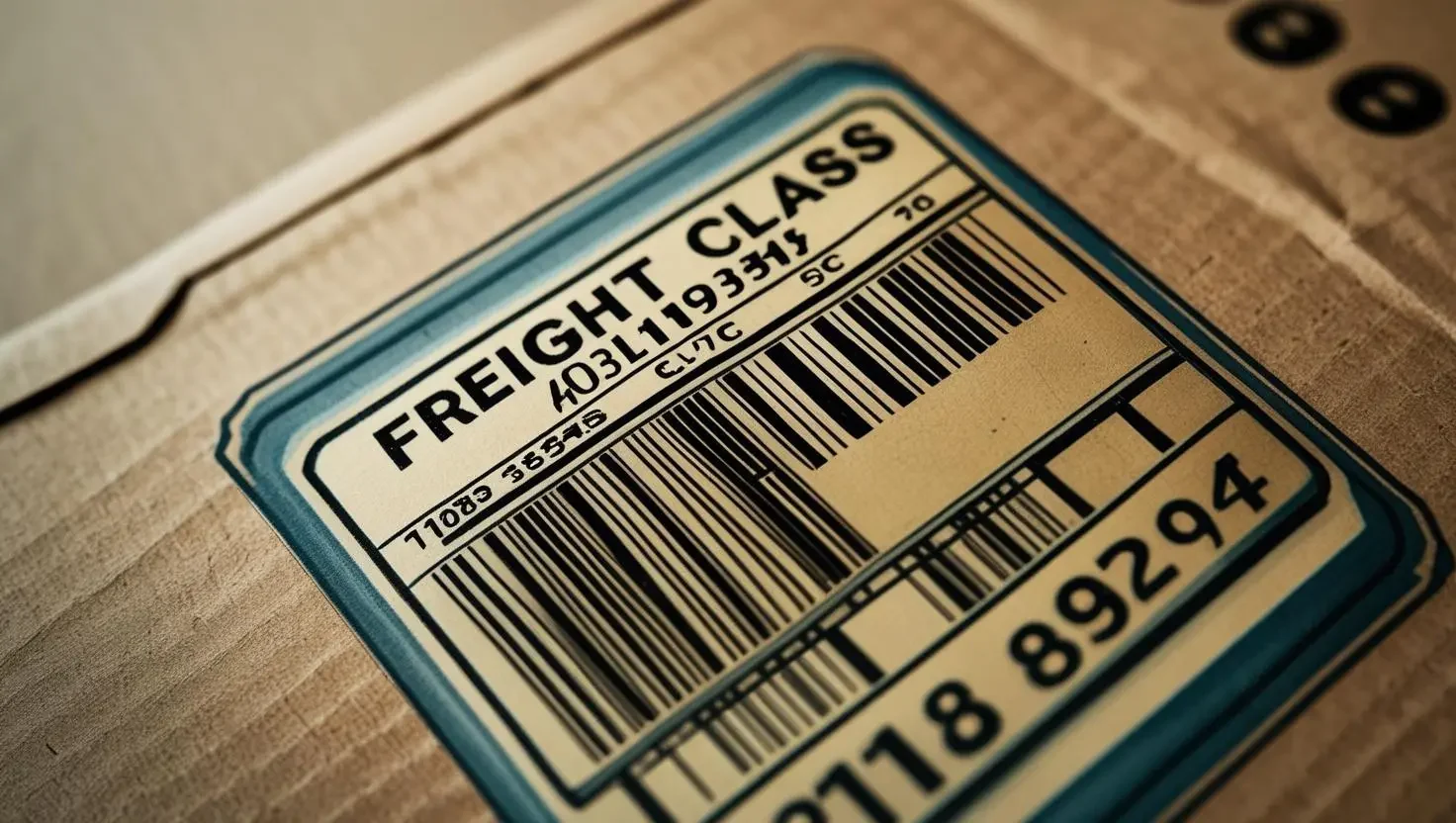
freight class
Cargo
July 10, 2025 By TEU Global Editorial Team

Freight Class: Everything You Need to Know

Introduction to Freight Class

When it comes to shipping freight especially LTL (Less Than Truckload) freight class is one of the most critical pieces of information. It doesn’t just affect how your shipment is handled; it directly impacts the price you’ll pay. Yet, so many shippers still find this system confusing. Let’s break it down and make it easy to understand.

What is Freight Class?

It is a standardized system developed by the National Motor Freight Traffic Association (NMFTA) to classify different types of cargo. This classification helps carriers determine the shipping cost, handling, and risk involved with transporting specific goods.

Why Does Freight Class Matter?

Using the correct freight class ensures:

  • Accurate pricing
  • Proper handling
  • Fewer shipping disputes
  • Avoidance of reclassification fees

It’s not just paperwork; this number determines whether your shipping experience is smooth or a financial headache.

Who Uses Freight Class?

Shippers, carriers, brokers, and freight forwarders all rely on freight class to quote rates and plan shipments. It’s especially vital in LTL shipping, where space and weight must be allocated efficiently.

NMFC and the Role It Plays

The National Motor Freight Classification (NMFC) assigns each product a code and corresponding class. This classification considers four major factors to ensure fairness and consistency across the industry.

Factors That Determine Class of Freight

1. Density

How heavy is your shipment compared to its volume? Denser items usually fall into a lower class.

2. Stowability

Can the shipment be easily stored with other freight? Irregular shapes or hazardous materials make stowage harder and can increase the class.

3. Handling

Is special care needed? Fragile or hazardous goods require extra attention.

4. Liability

What’s the risk of damage or theft? High-value items or goods prone to breaking are considered high liability.

determining freight class categories

Freight Class Categories

There are 18 standard freight classes, ranging from Class 50 (cheapest) to Class 500 (most expensive).

Low Classes (50–85)

Heavy, dense, and easy-to-handle goods fall here. Think bricks, metal bars, and tiles.

Mid-Range Classes (92.5–175)

These cover most standard goods like furniture, electronics, and boxed equipment.

High Classes (200–500)

Light, bulky, fragile, or high-value goods go here like ping pong balls or antique glassware.

Common Mistakes to Avoid

Misclassifying Your Freight

Wrong class = extra fees + delayed shipments.

Not Verifying with NMFC

Always check the official NMFC directory, especially if you’re shipping something unusual.

Ignoring Reclassification Penalties

Carriers do check your shipment. If it’s off, you’ll be reclassified and charged for it.

How to Calculate Class of Freight

Using a Density Calculator

Measure the weight and volume of your shipment. Then, divide the weight by volume (in cubic feet).

Step-by-Step Example

  • Weight: 400 lbs
  • Dimensions: 48″ x 40″ x 48″ (converted to 53.33 cubic feet)
  • Density = 400 ÷ 53.33 = 7.5
    That puts you in Class 100.

Real-World Examples

Furniture – Often bulky but not too heavy; usually Class 125–175

Machinery – Heavy and dense; typically Class 70–100

Food/Beverages – Depends on packaging. Bottled liquids can fall between Class 85–150

Freight Class and Shipping Costs

The lower the class of freight, the cheaper the rate. Why? Lower classes are more efficient to handle and ship.

Tips to Save on Freight Charges

  • Densify your packaging
  • Use standard pallets
  • Avoid odd shapes or hazardous goods

Tools and Resources

Freight Class Calculators

Many 3PLs and carriers provide online tools to help determine your class of freight.

NMFC Directory Access

Subscribe for up-to-date NMFC codes. Or work with a broker who has access.

Tips for Choosing the Correct Class of Freight

Work with a Freight Broker

They’ll guide you and help avoid costly errors.

Consult Your Carrier

Always double-check your classification before finalizing a quote.

Freight Class vs. Freight Type

Freight class is about rate and handling. Freight type refers to what you’re shipping (e.g., refrigerated, hazardous, etc.). They serve different purposes but often get confused.

Freight Class in LTL (Less Than Truckload) Shipping

In LTL shipping, every inch and every pound counts. Freight class is key to determining how your shipment fits into the puzzle alongside others.

Getting Help with Freight Classification

Role of a 3PL

Third-party logistics providers can classify shipments, offer better rates, and resolve disputes.

Carrier Classification Services

Some carriers will help you determine the right class but always confirm independently.

The Future of Freight Classification

Digitization and AI Tools

Expect smarter freight class prediction tools, especially with AI entering logistics workflows.

Standardization Trends

Industry leaders are pushing for more transparency and easier-to-understand freight rules.

Conclusion

Freight class isn’t just a technical detail it’s a make-or-break factor in shipping success. By understanding what it is, how it’s calculated, and why it matters, you’ll avoid overpaying, reduce delays, and keep your logistics on point. Don’t guess classify smart.

FAQs

1. What happens if I use the wrong class of freight?

You could face reclassification fees, shipment delays, or disputes with carriers.

2. How do I find the correct NMFC code?

Use the NMFTA directory or consult a licensed freight broker.

3. Can the class of freight change during transit?

Yes, if the carrier inspects your freight and finds inconsistencies.

4. Is freight class the same for all carriers?

Most LTL carriers follow NMFC standards, but it’s wise to confirm before shipping.

5. How do I lower my class of freight?

Increase shipment density, use standardized packaging, and avoid odd shapes or hazardous goods.

READ MORE
OOG Cargo
CargoDeliveryInformationalLogistics
June 27, 2025 By TEU Global Editorial Team

What Is OOG in Shipping? Everything You Need to Know About Out of Gauge Cargo 

Let’s Talk OOG—What Is It, Really? 

If you’ve ever worked in logistics or shipping, you’ve probably come across the term OOG—short for Out of Gauge. It sounds a bit technical, right? But honestly, it just refers to cargo that’s too big to fit into a regular container. We’re talking tall, wide, long, or oddly shaped items that need a little more love—and a lot more planning—when it comes to getting from point A to point B. 

Think of wind turbine blades, bulldozers, massive generators, or even yachts. These aren’t items you toss in a standard box and send overseas. They need special handling, special equipment, and above all, the right know-how. 

What Makes Cargo “Out of Gauge”? 

Out of Gauge cargo is anything that doesn’t fit the dimensions of a standard 40 or 20-foot shipping container. It might be too wide or tall for a 20 ft or 40 ft container, maybe it has parts sticking out of the containers. 

Here are the key factors that makes cargo Out of Guage 

  1. Overheight 
  1. Overwidth 
  1. Overlength 
  1. Weird Shape 

When the cargo matches any of the categories above it is considered to be a OOG. 

How is OOG Cargo Shipped ?

It doesn’t only requires extra space or length it demands planning, right tools and carriers who are experienced for it. 

Following are the options  

Flat Rack Containers 

Perfect for cargo that’s too wide or too tall. These have no side walls or roofs, which gives you flexibility. 

Open Top Containers 

As the name suggests, these are open from the top. They’re great for tall items, and you can cover them with a tarp if needed. 

Breakbulk Shipping 

When it’s too big even for a flat rack, breakbulk is the way to go. Items are loaded directly onto the ship and secured separately. 

RoRo (Roll-on/Roll-off) Ships 

Used mainly for wheeled machines or vehicles. If it rolls, it ships. 

Industries That Rely on OOG Freight 

Out of Gauge cargo plays a major role in various industries. Without it, entire sectors would grind to a halt. Here’s where it matters most:

  • Construction – Cranes, excavators, concrete mixers 
  • Energy – Wind turbines, transformers, massive generators 
  • Mining – Crushers, drills, and processing machines 
  • Marine – Boats, engines, and even submarines 

These industries can’t function without moving heavy-duty gear—and that gear usually qualifies as OOG. 

What Challenges Come with OOG Shipments? 

Shipping regular freight is one thing. Shipping Out of Gauge? That’s a different beast. Here’s why: 

Permits and Rules 

Moving oversized loads, especially over roads, often requires government permits. And every country has its own set of rules. 

Limited Routes 

Not every bridge or tunnel can handle oversized cargo. Some routes are simply off-limits, which makes route planning essential. 

Port Restrictions 

Not all ports are equipped for OOG. You’ll need to check ahead to make sure they have the right cranes and space. 

Higher Risk of Damage 

Since OOG items often can’t be fully enclosed, they’re more exposed to the elements. Rain, salt air, or even bird droppings can cause damage. 

Planning OOG Shipment

How Much Does It Cost to Ship OOG Cargo? 

Spoiler alert: it’s not cheap. 

Here’s why: 

  • Specialized equipment like flat racks or open tops 
  • Labor costs for loading and unloading 
  • Permit fees for overland transport 
  • Insurance premiums (more on that below) 
  • Route surveys and escort vehicles (when needed) 

The total cost depends on your cargo size, destination, and how it’s shipped. But yes, expect it to be significantly more than a standard shipment. 

Why Insurance Is Non-Negotiable 

Let’s be real—OOG cargo is expensive and risky. It’s exposed, vulnerable, and sometimes irreplaceable. That’s why you have to insure it properly. Standard freight insurance often doesn’t cover OOG shipments, so look for policies that specifically handle oversized, high-value goods. 

Tips for a Smooth OOG Shipping Experience 

Want to avoid surprises? These tips can save you time, money, and a whole lot of stress:

  • Double-check dimensions – Get exact height, width, and weight
  • Hire experienced carriers – Don’t risk it with a rookie
  • Start planning early – Especially for international shipments
  • Make sure you’re insured – Better safe than sorry
  • Verify port compatibility – Not all ports are OOG-friendly
  • Secure the cargo well – Use certified equipment and experienced hands 

Real Talk: Is OOG Shipping Worth the Hassle? 

Absolutely. While it may be complex, OOG shipping makes the impossible possible. Without it, global infrastructure projects, renewable energy installations, and even large-scale manufacturing couldn’t happen. 

Yes, it takes planning. Yes, it costs more. But with the right team and a solid game plan, it’s absolutely doable—and necessary. 

Final Thoughts 

Out of Gauge shipping might sound like a logistical nightmare at first, but it’s actually a vital part of global trade. From oversized machines to awkwardly shaped parts, OOG freight is how the world moves the things that keep industries alive and thriving. 

As long as you approach it with precision, patience, and the right partners, there’s nothing you can’t ship—even the weird, wild, and wonderfully massive stuff. 

Frequently Asked Questions (FAQs) 

1. What is OOG cargo in logistics? 

OOG stands for Out of Gauge. It refers to cargo that doesn’t fit within standard container dimensions due to size or shape. 

2. What types of containers are used for OOG shipping? 

Flat rack and open-top containers are the most common. For very large items, breakbulk and RoRo vessels are used. 

3. Is OOG shipping more expensive than standard shipping? 

Yes, significantly. OOG shipments require special equipment, permits, labor, and sometimes route surveys and escorts. 

4. Do I need special permits to ship OOG cargo? 

In most cases, yes—especially for land transportation. Permits depend on local, national, and international regulations. 

5. Can I insure OOG cargo? 

Absolutely. And you should. Standard cargo insurance might not be enough, so opt for specialized coverage tailored for high-risk, high-value goods. 

READ MORE
Untitled design (1)
LogisticsCargoDelivery
June 24, 2025 By TEU Global Editorial Team

What is a Purchase Order in Logistics? Simple Explanation for Everyone

Introduction: Why Purchase Orders Matter in Logistics

In the logistics world, clear instructions are everything. You’re moving goods across cities, countries, and even continents, so you better have paperwork that tells exactly what needs to go where, when, and how much of it.

That’s where a purchase order (PO) comes in.

If you’re running a warehouse, managing shipping, or working with suppliers, understanding how a purchase order works can save you from a lot of mistakes and confusion.

What is a Purchase Order? (In Simple Words)

A purchase order, or PO for short, is a document a buyer sends to a seller to order goods.

It’s like placing an official request that says:

“Hey, I want to buy this stuff from you, in this quantity, for this price. Please send it to this location.”

Once the seller agrees to it, this document becomes a legal agreement. That means both sides must follow what’s written.

Why Are Purchase Orders Important in Logistics?

Let’s say you’re a logistics manager. You order 100 boxes of electronics from a supplier in another country. Without a purchase order:

  • The wrong products might arrive
  • You won’t know when the shipment is coming
  • The warehouse might not be ready to receive it
  • You might be charged the wrong amount

But with a PO, everything is written down clearly. No guessing. No confusion.

What’s Included in a Purchase Order?

A good PO includes all the important info so nothing goes wrong. Here’s what it usually has:

  • PO Number – Like an order ID to track it
  • Date – When you placed the order
  • Supplier Info – Who you’re buying from
  • Buyer Info – Your company’s details
  • Item List – What you’re ordering, with quantity and description
  • Prices – Cost of each item and the total
  • Shipping Info – Where and when to deliver
  • Payment Terms – When and how the seller will get paid

How the PO Process Works (Step by Step)

Here’s how it typically goes in logistics:

  1. You need something – Like 500 cartons of shoes.
  2. You create a PO – It lists the items, quantity, price, and delivery details.
  3. Send the PO to the supplier – They confirm it.
  4. Supplier sends the goods – Following what the PO says.
  5. Warehouse receives it – They check if everything matches the PO.
  6. Payment is made – Only after everything checks out.

Types of Purchase Orders in Logistics

There are different kinds of POs depending on how you do business:

  • Standard PO – One-time order with exact details.
  • Blanket PO – Used when you buy the same thing many times over a period.
  • Planned PO – You know what you’re ordering, but not exactly when.
  • Contract PO – You agree on prices and terms but decide later on quantity and delivery.

How POs Help in Logistics

Using POs in logistics can help you:

  • 🧾 Keep track of what’s being ordered
  • 📦 Make sure the right items are shipped
  • 🚚 Coordinate with your freight company or transport team
  • 💰 Avoid overpaying
  • 📊 Stay organized during audits or inventory checks

POs are like a control system—without them, things can get messy fast.

Big Mistakes to Avoid with POs

Even though POs help a lot, you’ve got to use them right. Avoid these mistakes:

  • Leaving out shipping info
  • Ordering the wrong item code
  • Not confirming the PO with your supplier
  • Not matching the PO to what’s delivered
  • Using different formats every time (use templates or software)

PO vs Other Logistics Documents

It’s easy to confuse a PO with other paperwork. Let’s clear it up:

DocumentWhat It DoesWho Creates It
Purchase OrderStarts the orderBuyer
InvoiceAsks for paymentSeller
Bill of Lading (BOL)Confirms shipment and deliveryShipping company
Packing ListLists what’s inside the boxSeller or warehouse

All are important, but the PO comes first. It kicks off the whole supply chain.

purchase order lifecycle

How to Make a Purchase Order (Easy Way)

You don’t need to be a big company to make a PO. Here’s a simple way:

  1. Use a template in Excel or Google Sheets
  2. Fill in the supplier info, items, quantities, prices
  3. Add delivery address and terms
  4. Give it a unique number
  5. Email it to the supplier
  6. Save a copy for your records

Or you can use purchase order software if you want to make it even easier and faster.

Going Digital: Electronic POs (e-POs)

Today, many companies use digital or electronic purchase orders instead of paper.

Why?

  • Faster to send and receive
  • Less chance of losing documents
  • Easier to track in real time
  • Can be connected to your shipping and inventory systems

Some popular tools include QuickBooks, Zoho, SAP, and NetSuite.

Who Uses POs in Logistics?

Just about everyone:

  • Warehouses – To prepare for incoming shipments
  • Freight Forwarding Companies – To arrange the right transport
  • Import/Export Agents – To handle customs and compliance
  • Suppliers – To prepare and ship goods as requested
  • Finance Teams – To pay vendors on time and accurately

Real-Life Example

Let’s say your logistics company is arranging delivery of 1,000 cartons of clothing from a factory in Beijing to a warehouse in New York.

You send a PO with:

  • Product list
  • Quantity
  • Packing requirements
  • Shipping method (like ocean freight)
  • Port of delivery
  • Expected delivery date

Once the factory accepts, they start packing and booking transport — and your operations are all set.

Best Practices for Using POs in Logistics

Here are some simple rules to follow:

  • Use one format for all POs
  • Always give each PO a unique number
  • Double-check item names and delivery addresses
  • Save all POs in one folder or system
  • Match your POs with invoices and shipping docs before payment

The Future of POs in Logistics

Things are getting smarter. Here’s what’s coming:

  • AI that checks for errors
  • Blockchain for security and trust
  • Mobile apps to approve POs on the go
  • Cloud systems that link POs to inventory and shipping data

Conclusion: Why Purchase Orders Make Logistics Easier

If you’re involved in moving goods — across towns or across oceans — purchase orders make your job easier.

They help everyone know what’s being ordered, where it’s going, and when it should get there. POs save time, reduce mistakes, and keep your logistics business running smoothly.

Whether you’re a small freight business or a large warehouse operator, using purchase orders the right way will bring more control, more trust, and fewer problems.

FAQs:

1. Does TEU offers Purchase Order Management Services?

Yes, TEU Global offers Purchase Order Management Services from supplier coordination to order tracking.

2. Can a PO delay my shipment?

Yes — if it’s not sent or confirmed in time. Always get the PO approved early.

3. Is a PO legally binding?

Yes, once accepted by the supplier, it becomes a legal agreement.

4. What if the shipment doesn’t match the PO?

You can raise a dispute, hold payment, or ask the supplier to correct it.

5. Can I make a PO without software?

Yes! You can use a free template in Excel or Google Sheets.

READ MORE
  • 1
  • 2
TEU Global

TEU Global is a 3PL company, with a top reliable global agent network. From freight forwarding and customs clearance to warehousing and purchase order management, we provide the best services with extra personal care.

Services

Ocean Freight Shipping

US Handling Agent

Canada Handling Agent

Freight Forwarding

Customs Clearance

Cargo Insurance

Drayage & Domestic Truck Delivery

Warehousing and Distribution

Purchase Order Management

Logistics Consultants

Customs Compliance Coaching

Branches

LOS ANGELES

Distribution & Dispatch facility

750 S Glasgow Ave, Inglewood, CA 90301, United States
Email : Lax@teuinc.com
Phone : 310-263-8216


MIAMI

Distribution & Dispatch facility

5855 NW 159th St,

Miami Lakes FL 33014
Email : Mia@teuinc.com
Phone : 305-851-7818


UAE

Office No: 2311, The Prime Tower Business Bay, Dubai
Email: Gulf@teuinc.com
Phone: 971-4-422-1046


MALAYSIA

Teu Global Sdn. Bhd
B109 Kelana Square  No.17 Jalan SS 7/26, 47301 Petaling Jaya, Selangor MALAYSIA

Email: Malaysia@teuinc.com
Phone: +60 12-656 8642

Head Office

NEW JERSEY

242 Old New Brunswick Road,
Suite 145 Piscataway, NJ 08854 USA

Email : info@teuinc.com
Phone : 732-515-9040
Fax # : 732-856-5008
Toll free: 877-414-8381

TwitterFacebookInstagramYoutubeLinkedin

Copyright © 2015-2026. TEU Global – All Rights Reserved.

Privacy Policy | Terms & Conditions