TEU Global
  • Home
  • About Us
  • Services
    • Ocean Freight Shipping
    • US Handling Agent
    • Canada Handling Agent
    • Freight Forwarding
    • Customs Clearance
    • Cargo Insurance
    • Drayage & Domestic Truck Delivery
    • Warehousing and Distribution
    • Purchase Order Management
    • Logistics Consultants
    • Customs Compliance Coaching
  • Resources
    • Payments
    • FAQs
    • Downloads
    • Knowledge Hub
    • Newsletter
  • Contact Us
  • Blog

Type To Search

Get a Quote
TEU Global
  • Home
  • About Us
  • Services
    • Ocean Freight Shipping
    • US Handling Agent
    • Canada Handling Agent
    • Freight Forwarding
    • Customs Clearance
    • Cargo Insurance
    • Drayage & Domestic Truck Delivery
    • Warehousing and Distribution
    • Purchase Order Management
    • Logistics Consultants
    • Customs Compliance Coaching
  • Resources
    • Payments
    • FAQs
    • Downloads
    • Knowledge Hub
    • Newsletter
  • Contact Us
  • Blog

Type To Search

Get a Quote
  • Home
  • About Us
  • Services
    • Ocean Freight Shipping
    • US Handling Agent
    • Canada Handling Agent
    • Freight Forwarding
    • Customs Clearance
    • Cargo Insurance
    • Drayage & Domestic Truck Delivery
    • Warehousing and Distribution
    • Purchase Order Management
    • Logistics Consultants
    • Customs Compliance Coaching
  • Resources
    • Payments
    • FAQs
    • Downloads
    • Knowledge Hub
    • Newsletter
  • Contact Us
  • Blog
teu global logo dark
  • Home
  • About Us
  • Services
    • Ocean Freight Shipping
    • US Handling Agent
    • Canada Handling Agent
    • Freight Forwarding
    • Customs Clearance
    • Cargo Insurance
    • Drayage & Domestic Truck Delivery
    • Warehousing and Distribution
    • Purchase Order Management
    • Logistics Consultants
    • Customs Compliance Coaching
  • Resources
    • Payments
    • FAQs
    • Downloads
    • Knowledge Hub
    • Newsletter
  • Contact Us
  • Blog
Cargo
HomeCargoPage 2

Category: Cargo

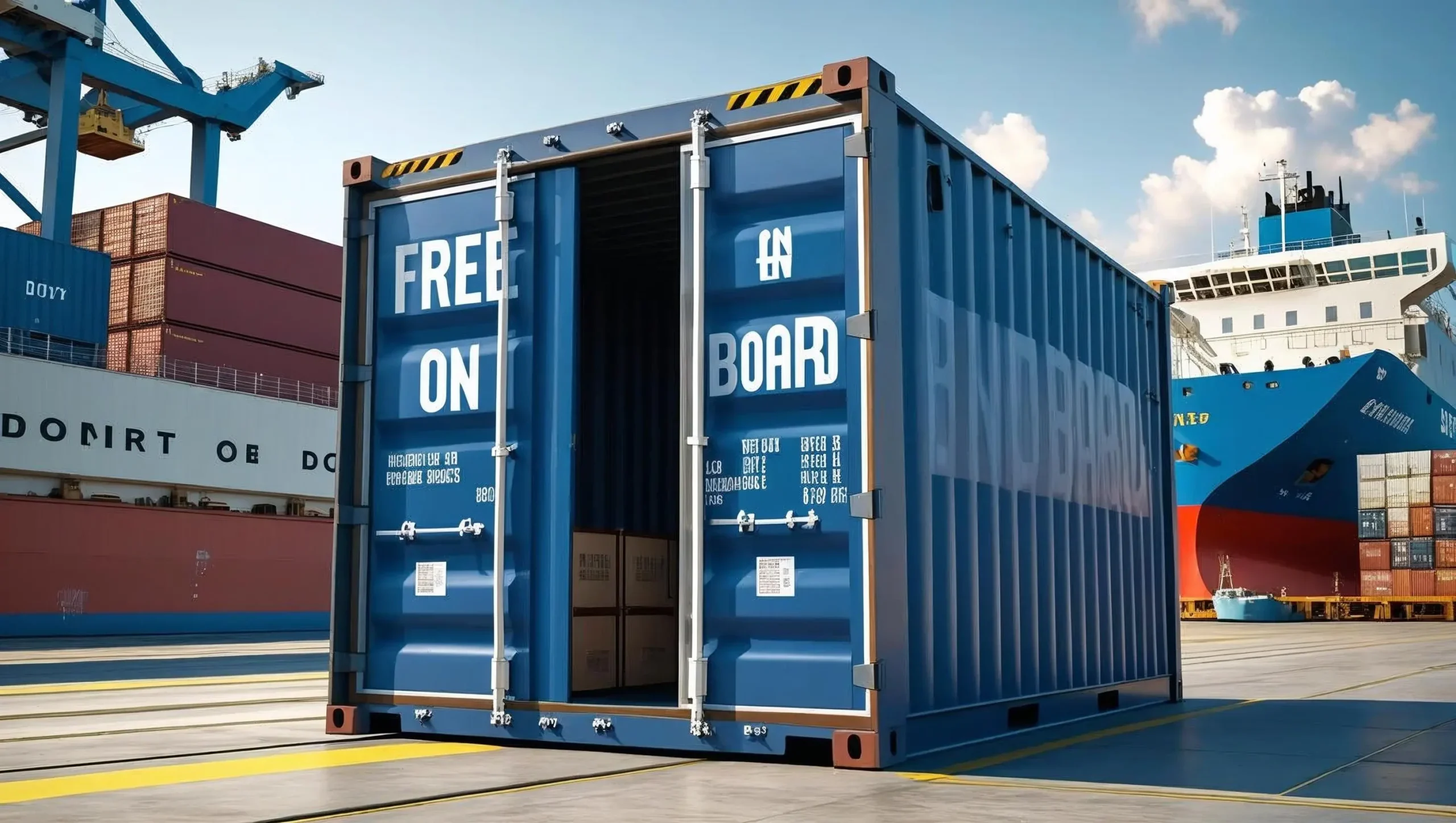
FOB
LogisticsCargoInformational
June 19, 2025 By TEU Global Editorial Team

What does FOB mean in Shipping. Is it Beneficial?

FOB (Free on Board) is one of the most common terms used in freight shipping. PO between buyers and sellers establish FOB terms and assist identify ownership, risk, and transportation expenses.

FOB Origin and FOB Destination help companies to evaluate when and where to bear the cost during shipment. Now the question arises what’s the difference between them. Let’s understand the difference between both:

FOB Origin:

Buyer takes complete responsibility from the time when the seller has loaded the shipment. Also, once the seller has shipped the shipment buyer will be held responsible in case of damage, theft or loss.

FOB Destination:

Seller takes complete responsibility for the goods until they have reached its final origin. Seller tolerates the cost till the time buyer receives the shipment.

When Should You Use FOB?

FOB is a great choice when:

  • You want more control over the shipping process.
  • You have experience managing freight.
  • You’re working with large orders or full container loads.
  • But if you’re a beginner or prefer simplicity, CIF or DDP might suit you better.

How Free on Board Compares to Other Shipping Terms

In international trade, Free on Board isn’t your only option. Here’s how it stacks up against a few others:

  • CIF (Cost, Insurance, and Freight) Seller pays for the freight and insurance up to the destination port.
  • EXW (Ex Works) Buyer takes on responsibility right from the seller’s premises.
  • DDP (Delivered Duty Paid) – Seller handles everything until the goods arrives at the buyer’s location, including duties and taxes.
FOB

FOB offers a middle-ground—it gives buyers control over shipping, without making the seller do too much.

Essential Documents in Free on Board Shipments

To ensure a successful FOB transaction, you’ll need these documents:

  • Bill of Lading – Confirms goods were loaded onto the ship and transferred to the buyer.
  • Commercial Invoice – Describes the transaction and value of goods.
  • Packing List – Lists every item in the shipment for customs and warehouse purposes.

Accuracy here isn’t optional. A typo can delay customs clearance or cause compliance issues.

What FOB Covers—and What It Doesn’t

Let’s clarify: FOB does not mean the seller pays for everything. In fact, “Free on Board” simply means the seller gets the product onto the vessel. That’s it.

From there, the buyer typically covers:

  • Ocean freight
  • Import Customs
  • Cargo Insurance
  • Inland transport at the destination

Benefits of Using Free on Board

  • More control: Buyers can negotiate better freight rates and choose their logistics partners.
  • Transparent costs: Since shipping is handled by the buyer, pricing is clearer.
  • Defined responsibility: Both parties know exactly where their duties start and stop.

Challenges That Come With Free on Board

  • Risk shifts early: Buyers take on liability once goods are on the ship.
  • No insurance included: Unless arranged separately.
  • Paperwork complexity: Buyers must manage their own freight, documentation, and customs clearance.

When Should You Use Free on Board?

It is a great choice when:

  • You want more control over the shipping process
  • You have experience managing freight
  • You’re working with large orders or full container loads

But if you’re a beginner or prefer simplicity, CIF or DDP might suit you better.

Mistakes to Watch Out For

  1. Assuming FOB means full shipping included: It doesn’t.
  2. Leaving out the port name: Always specify (e.g., FOB Ningbo, not just FOB).
  3. Skipping insurance: This is a must, especially for high-value shipments.

Why does FOB in Shipping Matter?

For importers, Free on Board Destination often provides a smoother experience. With this arrangement, the seller manages the shipping process, including freight charges and customs clearance, until the goods arrive at the buyer’s location. This reduces the buyer’s involvement in logistics and minimizes risk.

On the flip side, exporters may benefit more from Free on Board Shipping Point, where their responsibility ends once the goods are handed over to the carrier. This allows them to recognize revenue sooner and transfer liability to the buyer early in the process.

Ultimately, the choice of Free on Board shipping terms depends on the specific needs and requirements of the business. It’s crucial to carefully review the sales contract and understand the terms and conditions of the FOB shipping agreement before deciding. By doing so, businesses can ensure they select the most suitable shipping terms to manage their costs and risks effectively.

Conclusion:

Understanding the difference between FOB (Origin and Destination) is essential for managing shipping responsibilities and risk. Free on Board Origin favors sellers by transferring responsibility early, while FOB Destination benefits buyers by shifting responsibility after delivery. Choosing the right term ensures smoother transactions and better control over logistics and costs.

FAQs

1. Is FOB better for buyers or sellers?

It depends on your priorities. Buyers who want more control prefer FOB. Sellers might choose it to limit their responsibility once goods are shipped.

2. Does Free on Board include shipping insurance?

No, it doesn’t. The buyer must arrange insurance once the goods are on the vessel.

3. Can I customize Free on Board terms in my contract?

Absolutely. Just make sure everything is clearly defined in writing, especially the port of origin.

4. What’s the main difference between FOB and CIF?

Free on Board makes the buyer responsible for freight and insurance. With CIF, the seller handles both until the port of arrival.

5. Is Free on Board used globally?

Yes, especially in sea freight transactions between Asia, Europe, and North America. It’s one of the most widely accepted Incoterms.

READ MORE
shipment in transit and it should look real image than a 3d
LogisticsCargoDeliveryPackage
June 11, 2025 By TEU Global Editorial Team

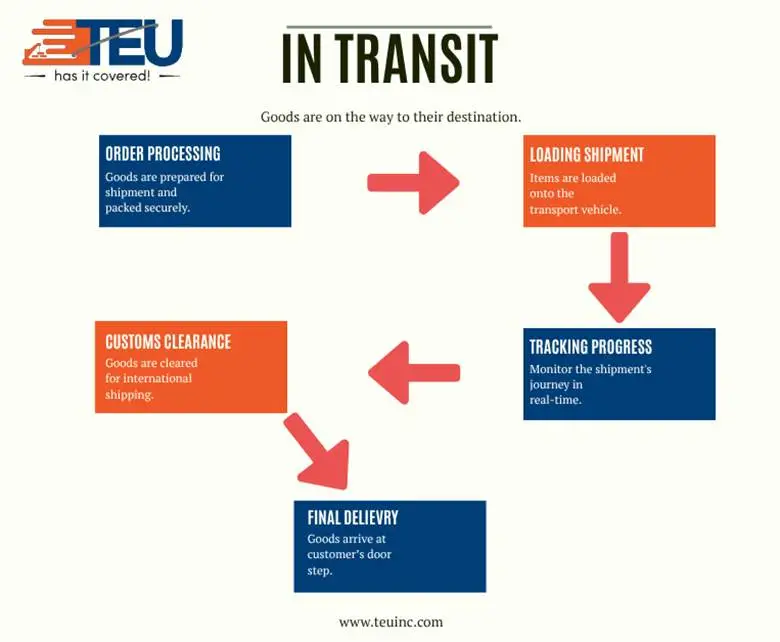
4 Important Stages to Know About ‘In Transit’ Status in Shipping and Logistics

When you check your package status you may see the status of your Package is “In Transit”. Now the question arises what the meaning of In Transit is? In short, if we answer this question it means between origin and destination. This blog will help you understand the most used word “Transit” in logistics.

What does “in transit” mean?

If your package is in transit it means your order has been packed and it is sent for delivery but hasn’t reached its destination.
Are you unsure about shipping processes? Learn about our Freight Forwarding Services.

Important Stages of In Transit:

  1. Picked Up (The package is collected from Origin).
  2. Sorted and Routed (The package is processed at the distribution center).
  3. Long-Haul Transport (The items are travelled by ship, rail, air or truck).
  4. Final Delivery (The package arrives at the last mile facility before getting delivered).

How the Shipment Travels:

When you send or receive a package, it travels through the postal system. Starting with the sender, it travels to sorting facilities and may pass through several transit hubs before arriving at the recipient’s local post office. Each stage in this process helps to ensure that delivery is on schedule. Understanding these steps allows you to better appreciate the difficulties involved and why occasional delays occur.

The Journey of a Shipment: Key Stages

To better understand what “in transit” covers, it’s helpful to break down the typical journey of a shipment:

Order Received / Processing

This is when the order has been placed and is being prepared for shipment. It may involve picking, packing, and labeling.

Dispatched / Shipped

The package is handed over to a carrier (postal service, courier, or freight company).

In Transit

This stage begins once the carrier has accepted the shipment and is physically moving it through the network toward the destination. It can include:

  • Local or regional sorting centers.
  • Transfers between warehouses or hubs.
  • International border crossings or customs inspections.
  • Loading and unloading onto trucks, planes, or ships.

Out for Delivery

The package is on a vehicle and is expected to be delivered that day.

Delivered

The final stage—when the shipment has arrived at the recipient’s location.

in transit process

How Long Does a Package Stay “In Transit”?

The amount of time a package stays in transit depends on the following factors.

  • Depends on the type of delivery express or economy.
  • Distance and Route.
  • Carrier Operation (Air, Road or Sea)
  • Custom Clearance in case of International Shipments.

Why Does it take longer than usual for items that are In Transit?

Common Reasons Include:

  • Anomaly in weather.
  • High Volume of Shipments.
  • Weekend or Public Holidays.
  • Custom Inspections.

What to do if Shipment is stuck?

  • Wait at least 48 hours.
  • Check your mail or SMS you might have received update from the carrier service provider.
  • Contact the shipping Provider.
  • Contact the sender for assistance.

Can I Receive a Package While It’s In Transit?

No, not yet. The item must finish transit before delivery. You can’t pick it up unless the carrier offers rerouting or pickup options. Some services allow this via customer request.

Common Shipping Statuses Explained

Understanding shipping lingo can help ease anxiety and help you make smarter decisions. Here are a few terms and what they mean:

StatusMeaning
In TransitItem is on the way, between origin and destination
Out for DeliveryLast-mile delivery is underway
DeliveredPackage has been dropped off
ExceptionSomething disrupted the process (weather, customs, etc.)
PendingWaiting to be shipped or picked up

What is the difference between In Transit and Out for Delivery?

In Transit:

In Transit means that the package is being delivered within the carriers network or maybe at carriers sorting center.

Out for Delivery:

The package is at a nearby destination and is on vehicle to be delivered to the final recipient’s address.

Tips to Avoid Future Transit Confusion

  • Always choose reliable logistics providers with end-to-end tracking.
  • For valuable goods, use services with insurance and signature confirmation.
  • Ask for a detailed shipping timeline before dispatching important cargo.

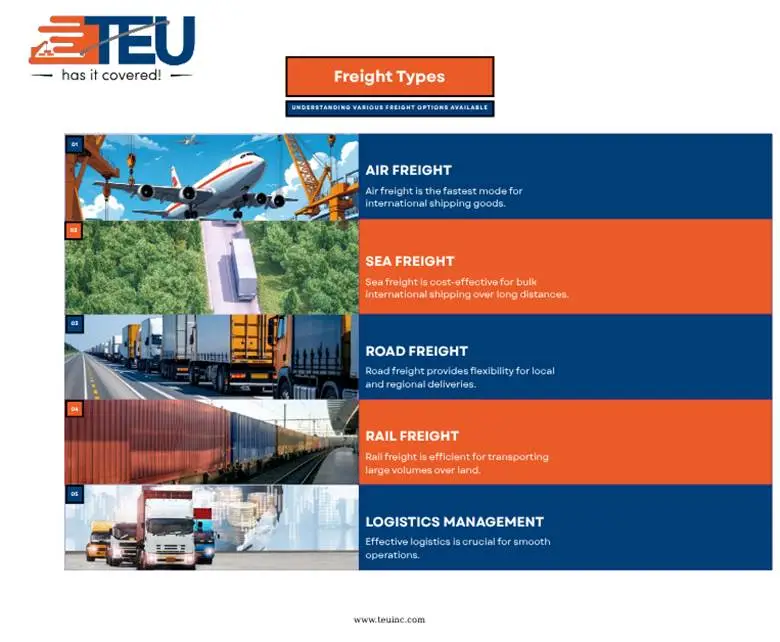
“In Transit” in Different Shipping Methods

Courier and Postal Services

  • When shipping, “in transit” typically refers to the time when the item is moving between processing centers. Depending on the distance, this may take hours or days.

Trucking and Road Freight

  • For road transport, the “in transit” status may mean the cargo is on a long-haul truck moving from one city or state to another. It might stay “in transit” for several days if the route is long.

Air Freight

  • For air cargo, “in transit” often includes the movement to the airport, time in the air, and transfers at international hubs.

Ocean Freight

  • In international sea freight, “in transit” can mean the container is on a cargo ship and might stay in this status for weeks, depending on the route.
freight types

FAQ’s

  • Do shipping companies also play an important role in reducing transit time?

Yes, the better the shipping company is, it is less likely to cause delays.

  • What is the role of tracking number in shipping?

Tracking number provides transparency to the customer, and it also helps to keep the customer updated about the shipment.

  • Does destination also play an important role in transit time?

Yes, the destination plays a crucial role, for instance if the destination is international custom clearance and route can cause delay in transit time.

  • How to ensure that package arrives on schedule?

Make sure to choose the right shipping option according to your need such as express delivery.

  • How to prevent your package from being damaged during transit?

Use services like cargo insurance to save your goods against damage, theft or loss during transit.

READ MORE
  • 1
  • 2
TEU Global

TEU Global is a 3PL company, with a top reliable global agent network. From freight forwarding and customs clearance to warehousing and purchase order management, we provide the best services with extra personal care.

Services

Ocean Freight Shipping

US Handling Agent

Canada Handling Agent

Freight Forwarding

Customs Clearance

Cargo Insurance

Drayage & Domestic Truck Delivery

Warehousing and Distribution

Purchase Order Management

Logistics Consultants

Customs Compliance Coaching

Branches

LOS ANGELES

Distribution & Dispatch facility

750 S Glasgow Ave, Inglewood, CA 90301, United States
Email : Lax@teuinc.com
Phone : 310-263-8216


MIAMI

Distribution & Dispatch facility

5855 NW 159th St,

Miami Lakes FL 33014
Email : Mia@teuinc.com
Phone : 305-851-7818


UAE

Office No: 2311, The Prime Tower Business Bay, Dubai
Email: Gulf@teuinc.com
Phone: 971-4-422-1046


MALAYSIA

Teu Global Sdn. Bhd
B109 Kelana Square  No.17 Jalan SS 7/26, 47301 Petaling Jaya, Selangor MALAYSIA

Email: Malaysia@teuinc.com
Phone: +60 12-656 8642

Head Office

NEW JERSEY

242 Old New Brunswick Road,
Suite 145 Piscataway, NJ 08854 USA

Email : info@teuinc.com
Phone : 732-515-9040
Fax # : 732-856-5008
Toll free: 877-414-8381

TwitterFacebookInstagramYoutubeLinkedin

Copyright © 2015-2026. TEU Global – All Rights Reserved.

Privacy Policy | Terms & Conditions