Logistics
If you import goods into the United States, there is one short trip that quietly decides whether your shipment moves on schedule or sits at the port collecting fees. That short trip is drayage. It rarely makes the headlines, but every importer who has waited on a container from Long Beach, Newark, Savannah, or Houston knows how much it matters.
Drayage is one of those services people only think about when something goes wrong. A late chassis, a missed appointment, or a clogged terminal can throw an entire supply chain off track. At TEU Global, we have seen how a smooth drayage operation keeps cargo moving, costs predictable, and customers happy. In this guide, we break down what drayage really is, the different types you should know, the most common challenges, and how to choose a drayage partner that will not let you down.
What Is Drayage, Really?
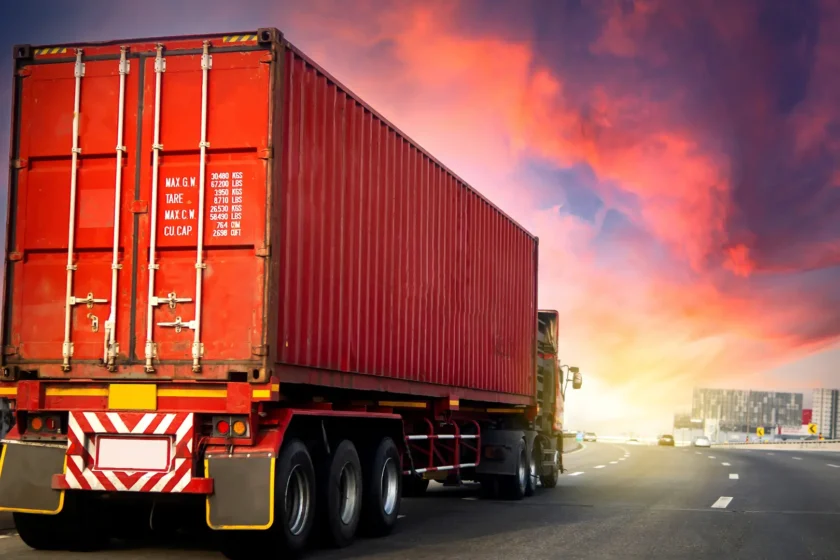
Drayage is the short-distance transport of containerized cargo, usually between a port, rail terminal, warehouse, or distribution center. The trips are short, but the role is huge. Without drayage, that 40-foot container sitting at the Port of Los Angeles cannot reach your warehouse in Riverside, your fulfillment center in Dallas, or the rail ramp that will take it to Chicago.
The word itself comes from “dray,” the old name for a low cart pulled by horses to move heavy loads short distances. The horses are gone, but the idea is the same: get the freight from point A to point B quickly so the next stage of the journey can begin.
Why Drayage Matters More Than Ever
Ocean freight gets most of the spotlight, but a container only earns its keep when it actually leaves the terminal. Drayage is the link between international shipping and domestic distribution. When that link is weak, the entire supply chain feels it.
Importers in 2026 are dealing with tighter free time at marine terminals, busier rail ramps, ongoing chassis shortages in some regions, and rising demurrage and detention fees. A reliable drayage operation is no longer a nice-to-have. It is the difference between a container that clears in two days and one that sits for ten and burns through your margin.
The Different Types of Drayage You Should Know
Most importers think drayage is just one service, but the Intermodal Association of North America actually recognizes several distinct types. Knowing the difference helps you ask the right questions and price your moves correctly.
Inter-Carrier Drayage
This is when a container moves between two different carriers, like from an ocean carrier at the port to a rail carrier at the ramp. It is common for cargo headed inland from coastal ports.
Intra-Carrier Drayage
This happens when a container moves between two facilities owned by the same carrier. Think of a steamship line moving an empty box from one of its terminals to another.
Pier Drayage
Pier drayage takes a container from a rail ramp to a port, or the other way around. Exporters use this often when their cargo originates inland but ships out from a coastal port.
Shuttle Drayage
When a port or rail yard runs out of space, containers get shuttled to a nearby off-dock facility for temporary storage. This is shuttle drayage, and it has become more common as terminals deal with congestion.
Door-to-Door Drayage
This is the type most importers actually want. The container moves directly from the port to your warehouse, distribution center, or final receiver. No middle stops, no extra handling, just a clean delivery.
Expedited Drayage Services
When a shipment is time-sensitive, expedited drayage services get it out of the terminal as fast as possible, usually with priority appointments and a dedicated chassis. It costs more, but it can save thousands in demurrage on a hot load.
How Drayage Fits Into the Bigger Supply Chain Picture
Drayage looks simple on paper. A truck picks up a container, drives it down the road, and drops it off. In real life, it is a coordinated dance between the steamship line, the terminal, the chassis provider, the customs broker, the trucker, and the receiver.
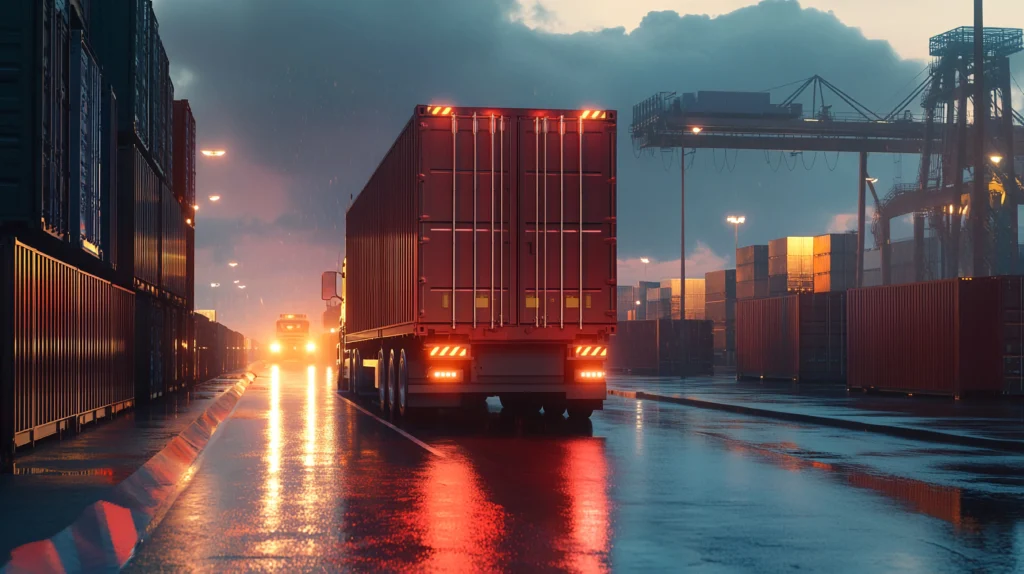
Here is what a typical port-to-warehouse move actually involves:
- The vessel arrives and the container is discharged at the marine terminal.
- Customs clearance is filed and the container is released by U.S. Customs and Border Protection.
- The freight is released by the steamship line once all charges and documents are settled.
- The drayage carrier secures a chassis, books a terminal appointment, and dispatches a driver.
- The driver picks up the container, hauls it to the receiver, and waits for live unloading or drops the container for later return.
- The empty container is returned to the designated terminal or depot before per diem starts.
Every one of those steps has a clock attached. Miss one, and the next one slips. That is why coordination matters as much as trucking capacity.
Common Drayage Challenges (And How to Solve Them)
Even experienced importers run into the same handful of problems. Knowing them ahead of time is half the battle.
Terminal Appointment Bottlenecks
Most major U.S. ports now require pre-booked appointments to pick up or return containers. When appointments are scarce, drivers wait, dwell time grows, and per diem charges start adding up. A drayage partner with strong relationships at the terminal and access to multiple appointment windows can save you days.
Chassis Shortages
A container needs a chassis to roll. In peak season or during disruptions, chassis can be in short supply at certain pools. The right drayage company has chassis access through multiple providers, including their own pool of equipment when possible.
Demurrage and Detention Fees
These charges pile up fast when containers sit too long at the terminal or off-terminal. The short answer is that proactive scheduling, accurate documentation, and quick container returns are the best defense against them.
Communication Gaps
Shipments often involve five or six different parties. When the customs broker, the steamship line, the trucker, and the warehouse are not aligned, things break. The fix is usually one provider who can see and coordinate the entire chain, which is the idea behind end-to-end distribution.
Last-Minute Surprises
Cargo holds, exam orders, missing paperwork, and last-minute appointment changes are part of the job. The best drayage providers do not eliminate surprises, but they spot them early and adjust before they become costly.
What to Look for in a Drayage Services Provider
Not every trucker calling themselves a drayage services carrier can actually get your freight out of the port on time. When evaluating a provider, look beyond the rate sheet.
- Port coverage. Do they actually run trucks at the ports you use, or do they sub it out? Direct access usually means better service.
- Chassis access. Do they have multiple chassis sources or are they tied to one provider? More options means fewer delays.
- Real-time tracking. You should see where your container is and when it is expected, not get answers a day later.
- Customs integration. Drayage works best when it is connected to customs clearance. A delay on one side affects the other.
- Free time management. A good provider tracks your last free day and pushes hard to clear before charges hit.
- Coverage at multiple ports. If you import through Los Angeles, Newark, Savannah, Houston, and Miami, you do not want five different drayage services companies.
How TEU Global Handles Drayage
At TEU Global, drayage is not a side service we pass to a third party. We run drayage services operations at the major U.S. gateways our clients actually use, including Los Angeles, Long Beach, Newark, Savannah, Houston, and Miami. Our team coordinates terminal appointments, customs releases, and chassis dispatch under one roof, which is exactly why we can move freight faster than fragmented setups.
Because we also handle ocean freight, customs clearance, warehousing, and final-mile delivery, drayage stops being a hand-off and becomes a connected step in the supply chain. When a vessel is late, our drayage team already knows. When customs flags an exam, we see it in real time. That visibility cuts demurrage, prevents detention, and keeps your inventory flowing.
We also help importers think about drayage services strategically, not just operationally. That includes choosing the right ports, setting up transloading where it saves money, and using rail intermodal where speed allows. The goal is not just to move a container. It is to move it in the way that costs you the least and serves your customers best.
FAQs About Drayage Services
1. What is the difference between drayage and trucking?
Drayage is a specialized type of short-haul trucking, almost always involving ocean or rail containers and short trips between terminals, warehouses, or rail yards. Standard trucking covers longer distances and a wider range of cargo.
2. How is drayage priced?
Most drayage rates include a base move plus accessorials like chassis use, fuel surcharges, pre-pulls, storage, and any waiting time. Rates vary by port, distance, and equipment availability.
3. How long does drayage usually take?
Once a container is released and an appointment is secured, the actual pickup and delivery is often the same day. The bigger variable is how long it takes to get an appointment and clear customs.
4. Can drayage be combined with rail?
Yes. Many inland importers use drayage to move containers from a port to a rail ramp, then rail to a destination city, then drayage again to the final warehouse. This is intermodal drayage.
5. Does TEU Global offer drayage at all major U.S. ports?
Yes. We coordinate drayage at major U.S. gateways, including Los Angeles, Long Beach, New York and New Jersey, Savannah, Houston, and Miami, and we tie it directly to customs and warehousing.
Final Thoughts
Drayage is the unsung hero of international trade. It is the short trip that decides whether your supply chain feels smooth or stressful. Get it right, and your containers move on time, your fees stay low, and your customers stay happy. Get it wrong, and the costs show up in places you did not expect.
The good news is that drayage is one of the easiest parts of your supply chain to improve. With the right partner, the right visibility, and a few smart process changes, most importers can shave days off dwell time and meaningful dollars off port charges.
Ready to take the stress out of port drayage? Talk to a TEU Global today, or call us toll-free at 877-414-8381.