Logistics
Introduction to Logistics Management
Logistics management is the quiet force that keeps global trade moving. Every container, shipment, and delivery relies on careful planning behind the scenes. Whether goods are moving across town or across oceans, logistics management ensures they arrive on time, in good condition, and at the right cost.
At TEU Global, logistics management is not treated as a back-office function. It is viewed as a strategic advantage that directly impacts profitability, compliance, and customer satisfaction. As supply chains grow more complex, having the right logistics partner becomes essential.
What Is Logistics Management?
Definition and Real-World Meaning
Logistics management is the process of planning, executing, and controlling the movement and storage of goods, services, and information from origin to destination. This includes transportation, warehousing, inventory control, order fulfillment, and coordination with carriers and customs authorities.
In simple terms, logistics management makes sure the right product reaches the right place at the right time. Without it, even the best products struggle to reach customers efficiently.
Why Logistics Management Is Critical for Businesses
Poor logistics can drain profits quickly. Delays, storage issues, compliance errors, and inefficient routing all add unnecessary costs. On the other hand, companies that invest in strong logistics management gain better control, faster delivery times, and happier customers.
Businesses working with experienced providers like TEU Global benefit from structured logistics strategies backed by industry expertise and real-world execution.
Core Elements of Logistics Management
Transportation Management
Transportation is the backbone of logistics management. It involves selecting the most efficient modes, routes, and carriers while balancing speed and cost.
Inbound and Outbound Transportation
Inbound transportation focuses on moving raw materials or components to warehouses or production facilities. Outbound transportation handles finished goods moving to customers, retailers, or distribution centers. Managing both efficiently reduces bottlenecks and improves overall flow.
Warehousing and Storage
Warehousing is more than storing goods on shelves. It plays a critical role in inventory positioning, order accuracy, and delivery speed.
Smart Inventory Layouts
Well-organized warehouses reduce picking errors and handling time. Strategic layouts ensure high-demand items are easily accessible, improving order fulfillment speed and accuracy.
Inventory Control
Inventory management ensures businesses maintain optimal stock levels. Excess inventory ties up capital, while shortages lead to lost sales. A balanced approach keeps operations smooth and cash flow healthy.
Order Fulfillment and Distribution
Order fulfillment is where logistics management directly touches the customer. Accurate picking, careful packing, and timely delivery shape the overall customer experience and brand reputation.
Different Types of Logistics Management
Inbound Logistics
Inbound logistics handles sourcing, transportation, and receiving of goods entering a facility. Efficient inbound logistics reduce production delays and storage issues.
Outbound Logistics
Outbound logistics focuses on delivering finished products to customers or distributors. Speed, accuracy, and visibility are key priorities in this stage.
Reverse Logistics
Reverse logistics manages returns, repairs, recycling, and disposal. While often overlooked, it plays a major role in customer satisfaction and sustainability efforts.
Third-Party Logistics (3PL)
Many companies rely on third-party logistics providers to manage part or all of their logistics operations. A trusted 3PL like TEU Global offers scalability, compliance expertise, and access to global networks without heavy internal investment. Learn more about logistics solutions here: https://www.teuinc.com/services.
Technology and Logistics Management
Logistics Management Systems
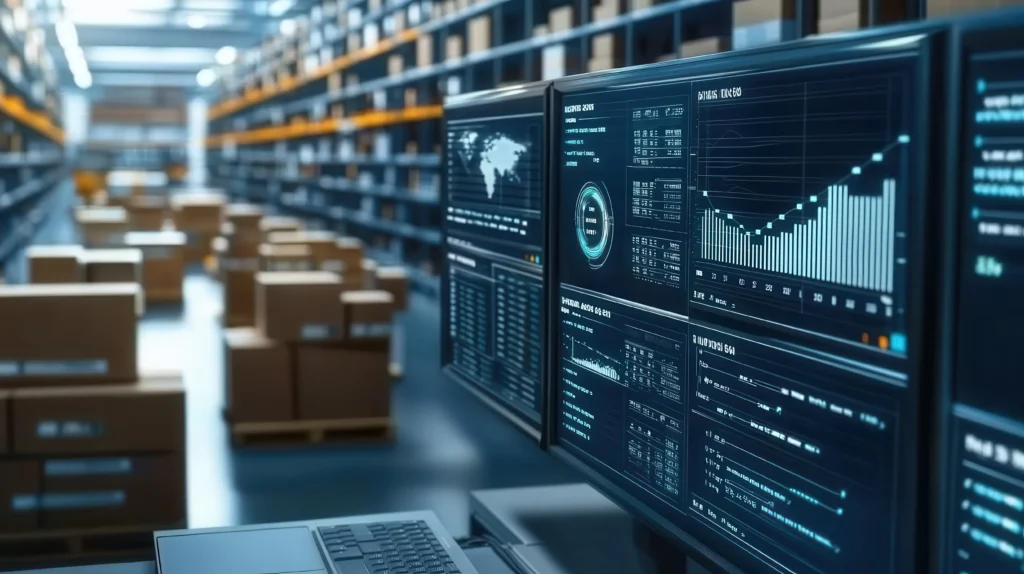
Modern logistics relies heavily on integrated systems that connect transportation, warehousing, and inventory data. These systems improve visibility and decision-making across the supply chain.
Automation and Artificial Intelligence
Automation reduces manual errors, while AI helps predict demand, optimize routes, and identify potential disruptions before they escalate.
Shipment Tracking and Visibility
Real-time shipment tracking builds transparency and trust. Customers expect updates, and businesses need visibility to respond quickly when delays occur.
Logistics Management in Global Trade
International Shipping Challenges
Global logistics introduces added complexity, including longer transit times, regulatory differences, and geopolitical risks. Without strong logistics management, these challenges can quickly disrupt operations.
Customs Clearance and Compliance
Accurate documentation and compliance with customs regulations are critical in international trade. Errors can result in delays, penalties, or cargo holds. Experienced providers like TEU Global specialize in navigating customs requirements efficiently.
For broader regulatory guidance, businesses often reference global authorities such as the World Customs Organization.
Risk Management in Global Logistics
From port congestion to sudden policy changes, global logistics risks are unavoidable. Proactive planning and contingency strategies help minimize disruptions.
Benefits of Strong Logistics Management
Cost Control
Efficient logistics management reduces transportation, storage, and handling costs, directly improving margins.
Better Customer Experience
On-time deliveries, accurate orders, and transparent communication build long-term customer trust.
Operational Efficiency
Streamlined logistics processes reduce delays, errors, and unnecessary manual work.
Business Growth and Scalability
With the right logistics framework, businesses can scale operations without losing control or efficiency.
Common Logistics Management Challenges
Rising fuel costs, labor shortages, supply chain disruptions, and sustainability pressures continue to challenge logistics professionals. Addressing these issues requires experience, adaptability, and reliable partners.
Best Practices for Effective Logistics Management
Successful logistics management starts with strategic planning, supported by data-driven decisions and strong partnerships. Continuous improvement ensures logistics operations remain resilient and competitive.
Logistics Management vs Supply Chain Management
Logistics management focuses on the movement and storage of goods, while supply chain management covers the entire journey from sourcing to final delivery. Both functions work together, but logistics is where execution truly happens.
Future of Logistics Management
Digital transformation, predictive analytics, and sustainable logistics practices are shaping the future. Companies that adapt early will gain a significant competitive edge.
Conclusion
Logistics management is no longer just about moving freight. It is a strategic function that influences cost control, customer satisfaction, and long-term growth. Businesses that prioritize logistics management and work with experienced partners like TEU Global are better positioned to navigate today’s complex supply chains and tomorrow’s uncertainties.
Frequently Asked Questions (FAQs)
1. What does logistics management include?
It includes transportation, warehousing, inventory control, order fulfillment, and compliance coordination.
2. Why is logistics management important for global trade?
It ensures smooth cross-border movement, regulatory compliance, and risk mitigation.
3. Can small businesses benefit from logistics management?
Yes, effective logistics management helps businesses of all sizes reduce costs and improve delivery performance.
4. What role does a 3PL play in logistics management?
A 3PL manages logistics operations on behalf of businesses, offering expertise, infrastructure, and scalability.
5. How does TEU Global support logistics management?
TEU Global provides end-to-end logistics, customs, and compliance solutions tailored to modern trade needs.