Compliance & Regulations
Here’s a mistake that costs importers $10,000:
They book ocean freight. They negotiate pricing. They prepare documents. Everything looks good.
Then US Customs flags their shipment because they missed the ISF filing deadline — and now they’re facing a five-figure penalty before cargo even touches US soil.
The Importer Security Filing (ISF), also called “10+2,” is mandatory for every ocean shipment headed for the US to unlade. It must be filed 24 hours before cargo loads onto the vessel at the last foreign port. Get it wrong and CBP doesn’t give warnings — they issue fines.
Let’s walk through what ISF filing is, what information you need, when to file, and how to avoid expensive mistakes.
What Is ISF Filing and Why Does It Exist?
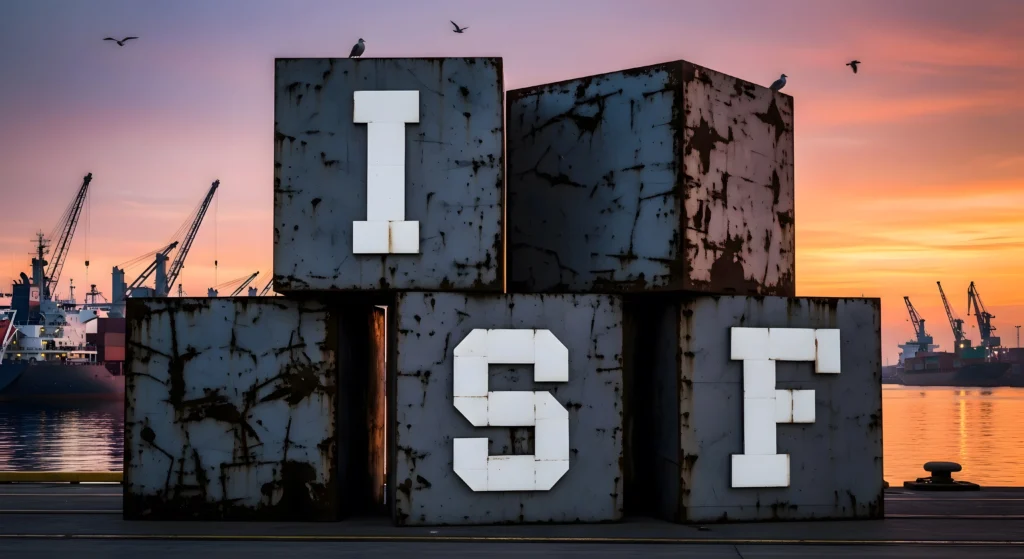
ISF stands for Importer Security Filing. It’s a CBP regulation introduced in 2009 that requires importers to submit detailed information about their ocean cargo before it leaves the foreign port. The goal is security — CBP wants to know what’s coming into the country and assess potential threats before the ship even departs.
The “10+2” nickname comes from the structure: you (the importer) provide 10 data elements, and the carrier provides 2 more.
Here’s what matters: ISF applies only to ocean freight. If you’re shipping by air, truck, or rail, you don’t need it. But if your goods are moving by container vessel to the United States, ISF is mandatory. No exceptions.
According to 19 CFR Part 149, failure to file ISF — or filing it late, incomplete, or with wrong information — can result in penalties of upto $10,000 per violation CBP can also hold your cargo at the terminal, refuse to grant an unloading permit, or even seize the shipment if it’s unloaded without authorization.
The 10 Data Elements You Must Provide
When you file ISF, CBP requires these 10 pieces of information:
- Manufacturer/Supplier — Factory name and address (not just the trading company)
- Seller — Who you’re buying from
- Buyer — Your company information
- Ship-to Party — First physical delivery address to receive the cargo after leaving port (warehouse, 3PL, customer)
- Container Stuffing Location — Physical address where cargo was loaded
- Consolidator — If LCL, the party that combined shipments
- Importer of Record Number — Your EIN or SSN
- Consignee Number — EIN/SSN of the US receiving party
- Country of Origin — Where goods were manufactured (not shipped from)
- HTS Code — 6-digit minimum product classification code
The carrier provides 2 more: vessel stow plan and container status messages.
When You Must File ISF — Timing Is Critical
ISF must be filed at least 24 hours before cargo loads onto the vessel at the foreign port.
Not before arrival in the US. Not when the ship departs. Before loading begins.
Container loading in Shanghai Monday 8 AM? ISF due by Sunday 8 AM minimum.
Miss this window and you’re in violation territory. Even if information is perfect, late filing = up to $10,000 penalty.
Smart importers file 48-72 hours early as a buffer. Our Customs Clearance team files as soon as we receive complete data — we don’t wait because carrier schedules change and containers can load early.
Who Files ISF?
Legally, the ISF Importer (the party causing goods to arrive by vessel) is responsible. If you’re buying and importing, that’s you.
But you don’t have to file yourself. ISF requires ACE portal access, approved software, and a customs bond — which is why most importers use a licensed customs broker.
TEU Global files ISF under Power of Attorney as part of our Customs Clearance service. You provide the 10 data elements 48+ hours before loading, we handle filing and CBP communication.
What Happens If You Miss ISF or File It Wrong
Late Filing: $5,000 penalty + cargo hold + increased future inspection rates
Incomplete Filing: $5,000 penalty + unloading permit refusal
Inaccurate Filing: $5,000 penalty + potential seizure
No Filing: $5,000 penalty + cargo hold + seizure if unloaded without permission
CBP doesn’t give first-time warnings. Regulation fully enforced since July 2013.
However: if you filed on time but discovered an error, file an amendment immediately. CBP considers circumstances if you proactively correct issues before they catch them.
How We Handle ISF Filing for You
Here’s our process:
1. Early data collection — When you book Ocean Freight Shipping, we send an ISF data sheet template. Return it 48-72 hours before loading.
2. Accuracy review — We verify addresses, HTS codes, and origin info before filing.
3. Electronic filing — Submitted through our ACE-certified system with CBP confirmation.
4. Change monitoring — Vessel reschedules? We update ISF. Info wrong? We file amendments immediately.
5. CBP communication — Questions go to us, not you.
Common ISF Mistakes to Avoid
❌ Generic descriptions — “Electronic goods” → Use “Bluetooth speakers, Model ABC-500”
❌ Listing trading company vs. manufacturer — CBP wants the actual factory
❌ Placeholder HTS codes — No “9999.00” codes. Use real 6+ digit classification
❌ Filing too late — Vessel schedules change. File 48-72 hours early
❌ Not updating changes — Any party changed? File an amendment immediately
The Bottom Line
ISF filing is mandatory for ocean imports. It’s not optional. It has real financial consequences if done wrong.
With the right information and an experienced customs broker, ISF filing is straightforward. You provide data, we file correctly and on time, cargo clears without issues.
Call 732-515-9040 or contact us online if you’re importing for the first time or want to make sure you’re doing it right.
ISF penalties are $5,000 and can go up to $10,000 in case of cumulative violations. Prevention costs nothing.
Sources: 19 CFR Part 149 – Importer Security Filing, CBP ISF Requirements